 Whalesbook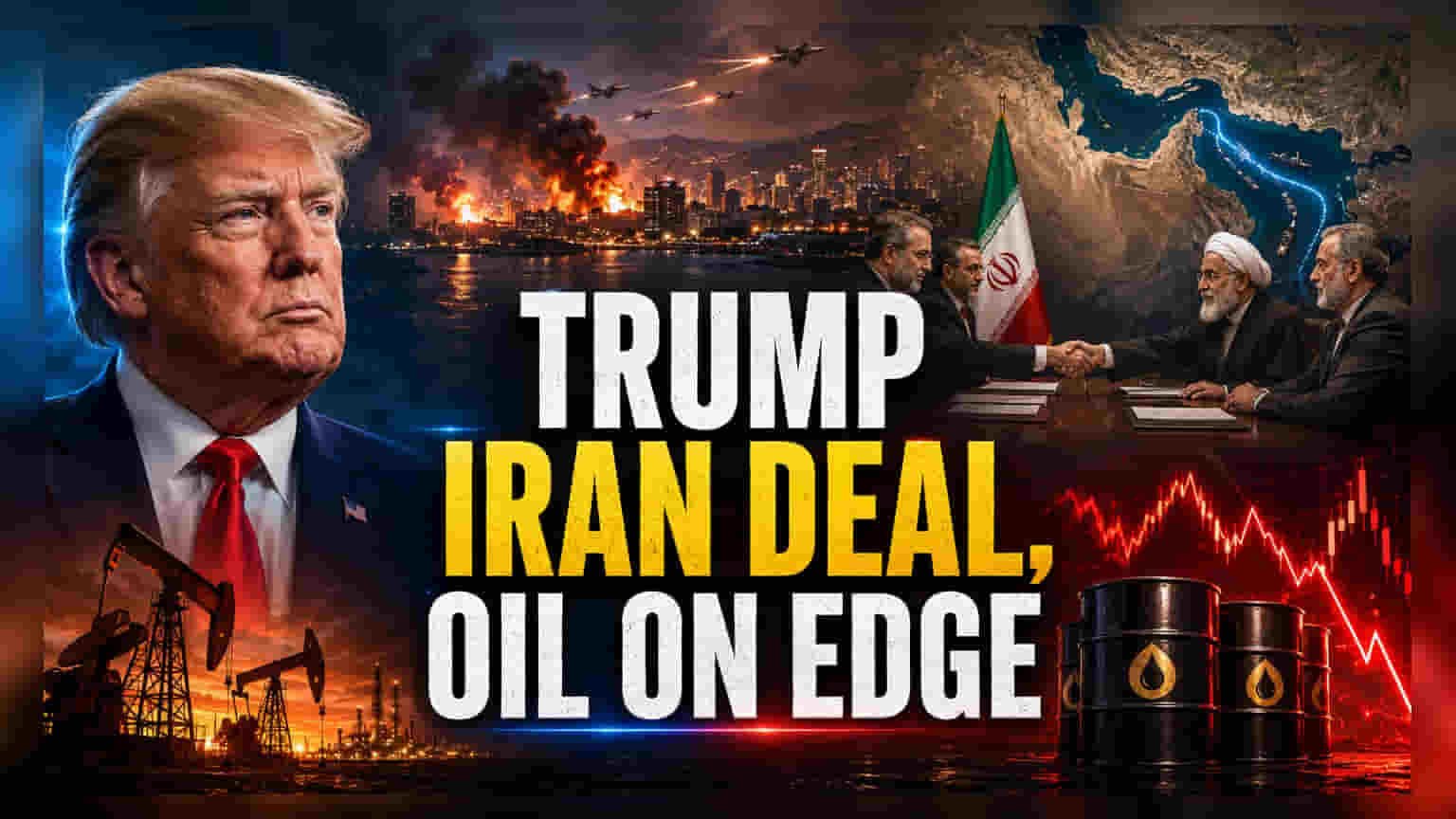


Former U.S. President Donald Trump has claimed a potential peace deal with Iran is near, while criticizing recent regional escalations. For investors, the focus is on how this might affect global crude oil supply, the critical Strait of Hormuz, and energy price volatility. Given India’s heavy reliance on oil imports, any change in supply or geopolitical tension has a direct impact on the domestic economy, inflation, and currency stability.
What Happened
Former U.S. President Donald Trump recently expressed strong disagreement with Israel's military strike in Beirut, arguing that it disrupted the path toward a peace agreement with Iran. Trump posted on Truth Social, calling the action a mistake on a day when he believed a deal was nearing finalization. He urged all sides to step back from further conflict, hoping for a broader peace settlement. Meanwhile, Iran's lead negotiator has publicly questioned the U.S. commitment to such a deal, suggesting a lack of resolve or ability to follow through on terms. These developments are unfolding against a backdrop of ongoing indirect talks regarding Iran's nuclear program and regional security.
The Energy Market Connection
For investors, the most significant angle of this news is the potential impact on global energy markets. Iran is a major oil producer. If a diplomatic breakthrough were to occur—and if that deal led to the lifting of U.S. sanctions—it could allow more Iranian oil to enter the global market. Increased supply typically puts downward pressure on oil prices. For India, which imports over 85% of its crude oil requirements, lower global oil prices are generally seen as positive. It helps the country manage its current account deficit and can assist in keeping domestic inflation under control.
Why the Strait of Hormuz Matters
The conflict has highlighted the strategic importance of the Strait of Hormuz. This narrow waterway is one of the world's most critical chokepoints for oil shipments. When tensions in the Middle East rise, markets often add a 'risk premium' to oil prices, fearing that shipping lanes could be blocked or oil infrastructure damaged. If the diplomatic situation stabilizes, that risk premium could decrease, which might lead to more stable oil prices. Conversely, if rhetoric remains high, the volatility in energy prices is likely to persist.
Geopolitical Risks and Uncertainty
Investors should note that these claims are currently political statements rather than confirmed diplomatic outcomes. History shows that reaching a lasting agreement on Iran's nuclear program and sanctions is complex. Skepticism remains, as reflected in comments from various international observers who doubt the feasibility of achieving a significantly better deal than those previously attempted. The situation remains highly volatile, and the transition from negotiation to a signed, functional agreement involves many hurdles, including sanctions relief, nuclear inspections, and regional security arrangements.
What Investors Should Monitor
Investors may want to keep an eye on several key indicators to gauge the impact of this situation. First, tracking movements in Brent crude oil prices will provide a clear picture of how the global energy market perceives the threat to supply. Second, currency traders and economists often watch the USD/INR exchange rate, as higher oil prices typically put pressure on the Indian rupee. Third, sector-specific impacts are relevant; lower oil prices generally benefit Oil Marketing Companies (OMCs) and aviation stocks, while persistent volatility can affect the broader market sentiment. Finally, official updates from international bodies and major involved governments regarding the status of any potential memorandum of understanding will be important to monitor, rather than relying on statements that may not immediately translate into policy changes.