

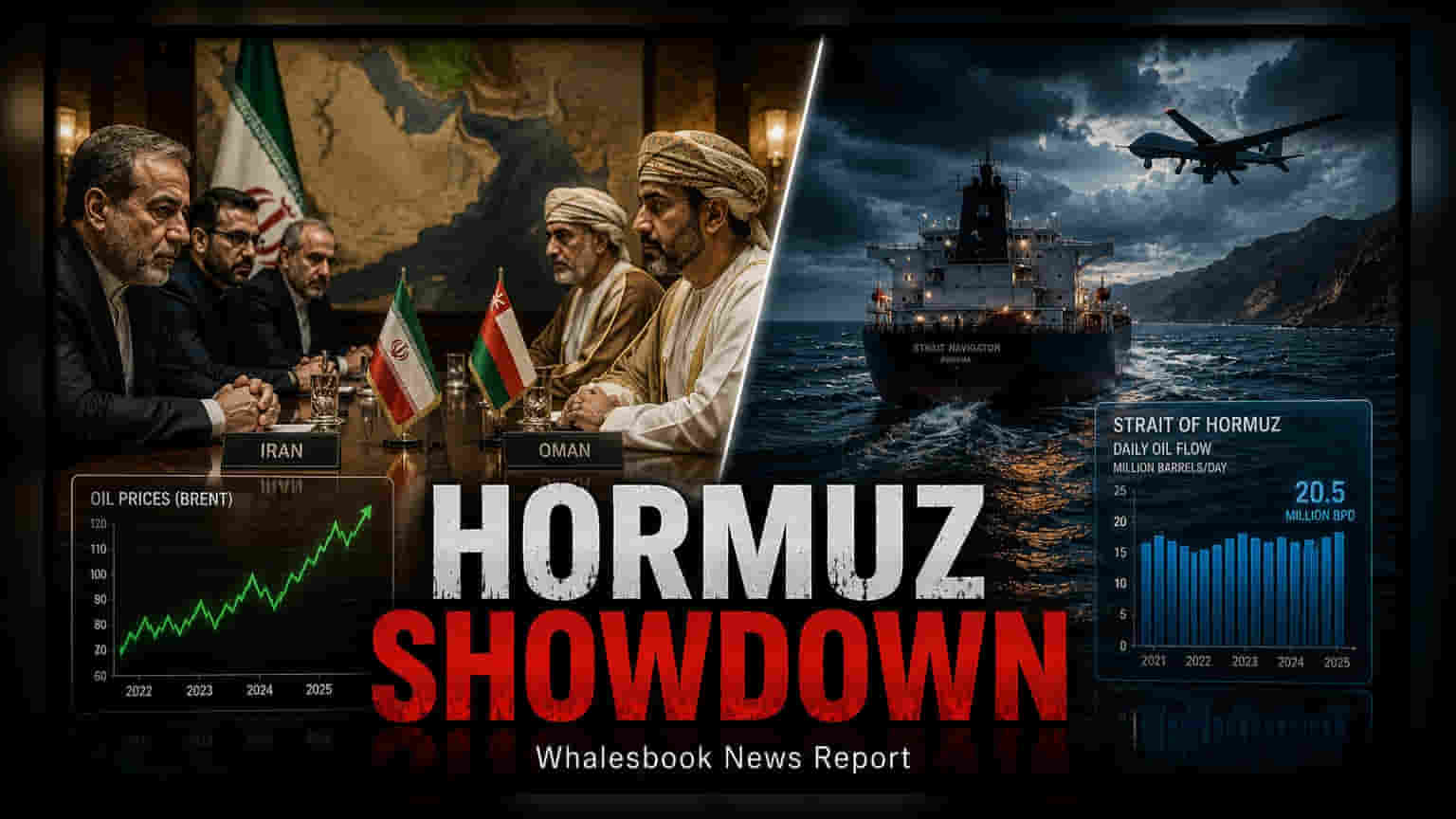
Iran and Oman are in the final stages of a temporary maritime agreement to manage shipping traffic through the Strait of Hormuz. This potential deal aims to stabilize the critical trade route, though its success depends on broader geopolitical conditions. For investors, the focus remains on global crude oil prices and shipping insurance costs, which continue to reflect high regional uncertainty.
Iran is nearing the final stages of a maritime agreement with Oman to establish designated shipping lanes through the Strait of Hormuz. This critical waterway, which serves as a major chokepoint for global energy and trade, has been a flashpoint for tensions that have disrupted vessel traffic and concerned international markets. The proposed arrangement seeks to create safer inbound and outbound routes to manage the current logistics bottleneck.
Temporary Nature of the Agreement
While the talks signal a diplomatic effort to de-escalate, market participants should note that this is not a permanent solution. The agreement is currently framed as a temporary measure expected to last between two to four months. Iranian officials have indicated that the stability of these routes is heavily linked to broader geopolitical factors, including their demand for the United States to lift naval blockades on Iranian ports. Because of these conditions, the deal’s long-term effectiveness remains uncertain and subject to change based on evolving diplomatic relations between Iran and Western powers.
Market and Economic Impact
Global oil prices are currently sensitive to these developments, hovering around the $80 per barrel mark. While the potential for safer passage is a positive signal for energy supply chains, the persistent risk of regional conflict keeps volatility high. Shipping companies and insurers are closely monitoring the situation, as any disruption in the Strait leads to immediate increases in insurance premiums and freight costs. For sectors reliant on energy imports or maritime logistics, these costs remain a significant factor to watch, as they can directly impact profit margins and operational efficiency.
Broader Regional Context
Beyond the Strait of Hormuz, the regional security landscape remains complex. Iraq has recently initiated a stricter enforcement policy against unauthorized armed groups, following drone attacks on Saudi oil infrastructure. These developments are viewed as part of a wider effort by regional states to assert control over domestic security and manage the influence of non-state actors. The effectiveness of these measures in reducing attacks on commercial and industrial infrastructure will be a key factor in regional stability.
What Investors Should Monitor
Looking ahead, the next important updates will be the formalization of the Iran-Oman maritime protocol and any shifts in US naval activity in the region. Investors may track global crude oil price trends and, more specifically, any adjustments in war-risk insurance premiums for commercial tankers operating in the Gulf. Any escalation in geopolitical tension or a collapse of the proposed maritime deal could renew upward pressure on shipping costs and energy prices, while a successful implementation could provide temporary relief to supply chain logistics.