

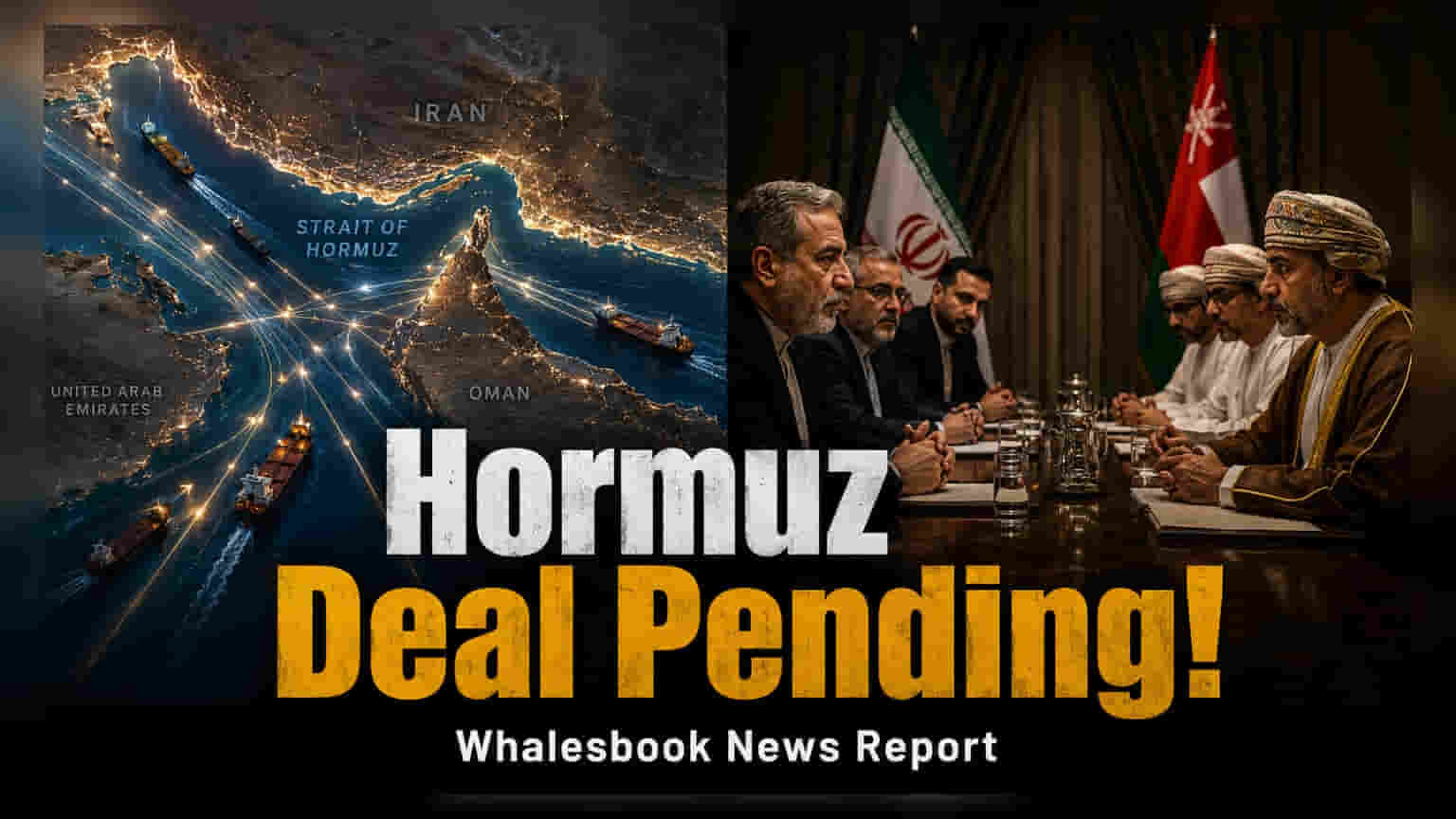
Iran and Oman are finalizing a shipping route agreement for the Strait of Hormuz, a critical global energy chokepoint. While US President Donald Trump has expressed optimism for an imminent deal, Iran has warned that security depends on non-interference by third parties. This potential development is significant for global energy prices and supply chain stability, as nearly one-fifth of the world’s oil and gas passes through this waterway.
Iran and Oman have made progress in their discussions to establish a defined shipping route through the Strait of Hormuz. This diplomatic effort seeks to clarify the geographic parameters for vessels navigating this vital waterway. For global trade, the Strait of Hormuz is a high-stakes corridor, as it acts as a primary transit point for approximately one-fifth of the world's oil and gas supplies. Any agreement aimed at regulating passage through this region is a matter of intense interest for energy markets and global logistics.
While the talks are reported to be in the final stages of drafting a joint announcement, the outlook remains cautious. Iranian officials have emphasized that the success and security of any such agreement are conditional. Specifically, the government has flagged potential interference from third parties as a risk factor, cautioning that security cannot be guaranteed if external nations, particularly the United States, pursue aggressive naval actions. This geopolitical friction underscores the fragility of the current maritime environment in the region.
On the other side of the negotiations, US President Donald Trump recently expressed optimism regarding the progress of these talks. Suggesting that a decision could be reached within 48 hours, the administration has kept a close watch on whether these diplomatic overtures will lead to a de-escalation of tensions. The US stance remains focused on broader security concerns, including nuclear non-proliferation, while Iran continues to engage with neighboring countries like Qatar and Pakistan to maintain regional diplomatic channels.
For investors and the broader market, the outcome of these negotiations carries implications beyond geopolitics. The Strait of Hormuz has been a primary concern since the escalation of regional conflict earlier in 2026, contributing to supply chain disruptions and volatile energy prices. For an import-dependent economy like India, the stability of this waterway is directly tied to the cost of crude oil and liquefied natural gas. If a formal agreement is reached and effectively implemented, it could theoretically ease some of the pressure on global shipping routes. However, if the operational control of the strait remains contested or if security threats persist, the risk of maritime disruption will continue to impact freight costs and energy import bills.
The most important monitorable for the next few days will be the formal announcement of any deal and the specifics regarding who will oversee traffic in the strait. Markets will also be watching for any indication of continued maritime security threats, as the effectiveness of the agreement will be tested by the daily reality of naval activity and regional security cooperation.