

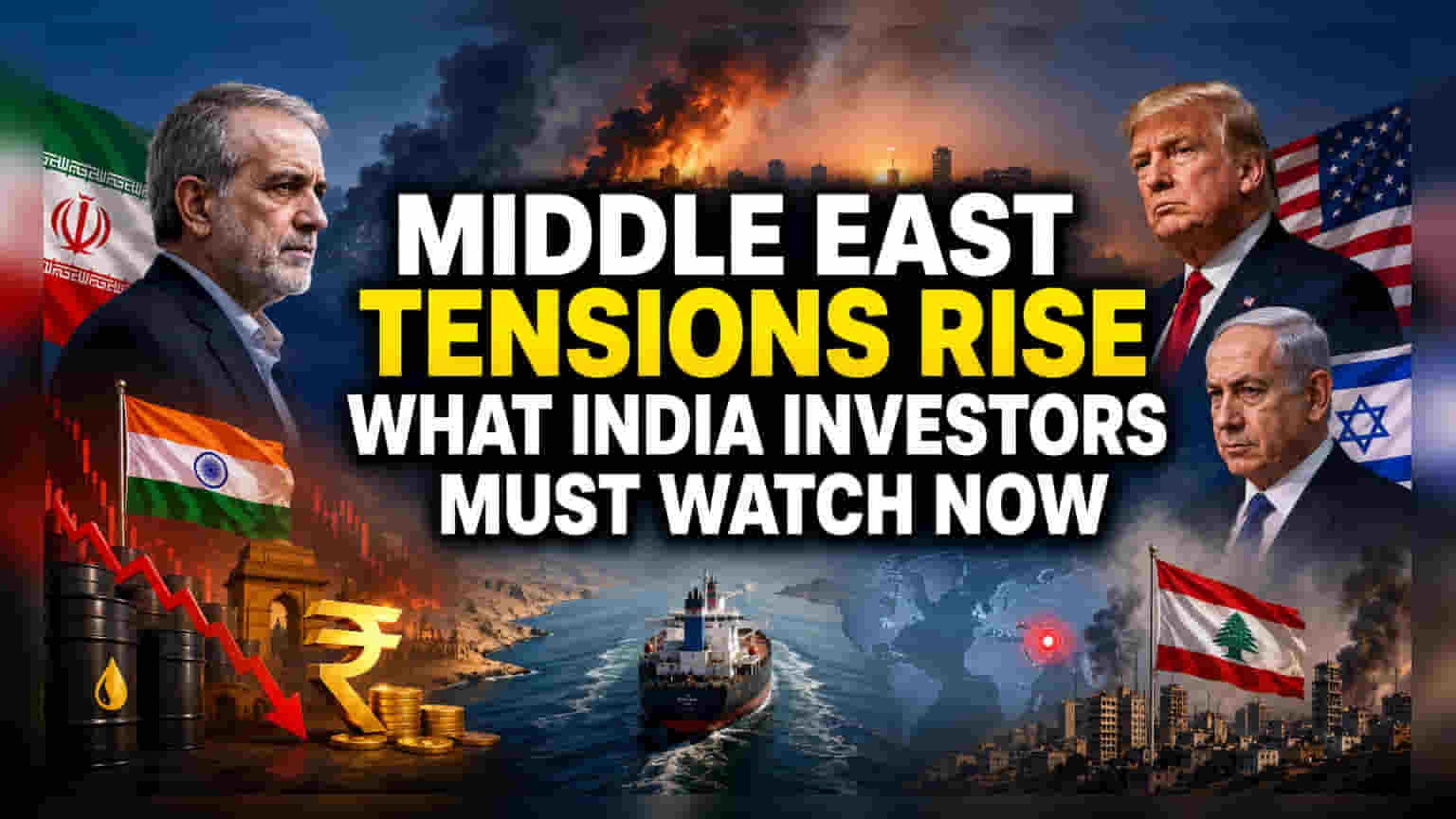
Tehran has declared that future diplomatic progress with the U.S. depends on Washington enforcing a ceasefire in Lebanon. This condition adds a layer of complexity to the recent U.S.-Iran memorandum of understanding, keeping investors alert to potential volatility in energy markets. With high-stakes peace talks scheduled in Washington for June 23-25, the stability of regional trade and oil supply remains a key monitorable.
What Happened
Tehran has formally conditioned further diplomatic progress with the United States on Washington’s ability to ensure Israel’s full compliance with a ceasefire in Lebanon. This development comes despite the recent memorandum of understanding (MoU) signed between the U.S. and Iran, which aimed to de-escalate hostilities and reopen the Strait of Hormuz. Iran is framing the conflict in Lebanon as a critical "test" of U.S. influence over Israeli military operations. By linking these disparate theaters of conflict, Iran is seeking concrete security guarantees, signaling that the broader U.S.-Iran peace initiative remains fragile.
Why This Matters For Investors
For Indian investors, this development is significant because of the strong correlation between Middle Eastern stability and India’s macroeconomic health. While the recent reopening of the Strait of Hormuz and the initial U.S.-Iran peace deal have provided some relief to global oil prices, the sustainability of this trend is now under renewed scrutiny.
India imports a substantial portion of its crude oil requirements, and any resurgence in regional tensions can quickly reverse recent cooling in energy prices. Higher oil prices typically act as a headwind for the Indian economy, putting pressure on the current account deficit, fueling inflationary concerns, and squeezing margins for sectors dependent on energy, such as aviation, paints, and logistics. Market participants are likely to monitor the upcoming Washington peace talks on June 23 and 25, as any failure to address the Lebanon front could reintroduce risk premiums into oil futures.
Navigating the Diplomatic Complexity
Analysts note that while the U.S. and Iran are attempting to establish a new framework for engagement, the inclusion of third-party regional conflicts like Lebanon creates a "chained risk" scenario. Even if Washington and Tehran agree on bilateral issues, the inability to control the actions of regional proxies or partners threatens to unravel the progress made.
Former officials and geopolitical experts warn that linking these issues makes the broader diplomatic roadmap much harder to execute. With deep-seated mistrust on both sides, the upcoming 60-day window for negotiations is considered ambitious. The market is currently pricing in a recovery from the recent conflict-driven disruptions, but any setback in the negotiations will likely lead to a repricing of risk, particularly in commodities.
What Investors Should Track Next
Investors may keep an eye on three key triggers in the coming days:
- Washington Peace Talks: The outcome of the June 23-25 meetings will be a litmus test for whether the current diplomatic window remains open or if regional friction continues to derail the MoU.
- Crude Oil Price Stability: Market sentiment remains sensitive to developments in the Strait of Hormuz. Any rhetoric suggesting a return to blockade threats will likely lead to immediate volatility in oil prices.
- Regional Security Rhetoric: Ongoing strikes or failure to implement the ceasefire on the ground will serve as a barometer for how much influence the U.S. currently exerts, providing cues on whether the current "peace" is durable or merely a temporary pause.