

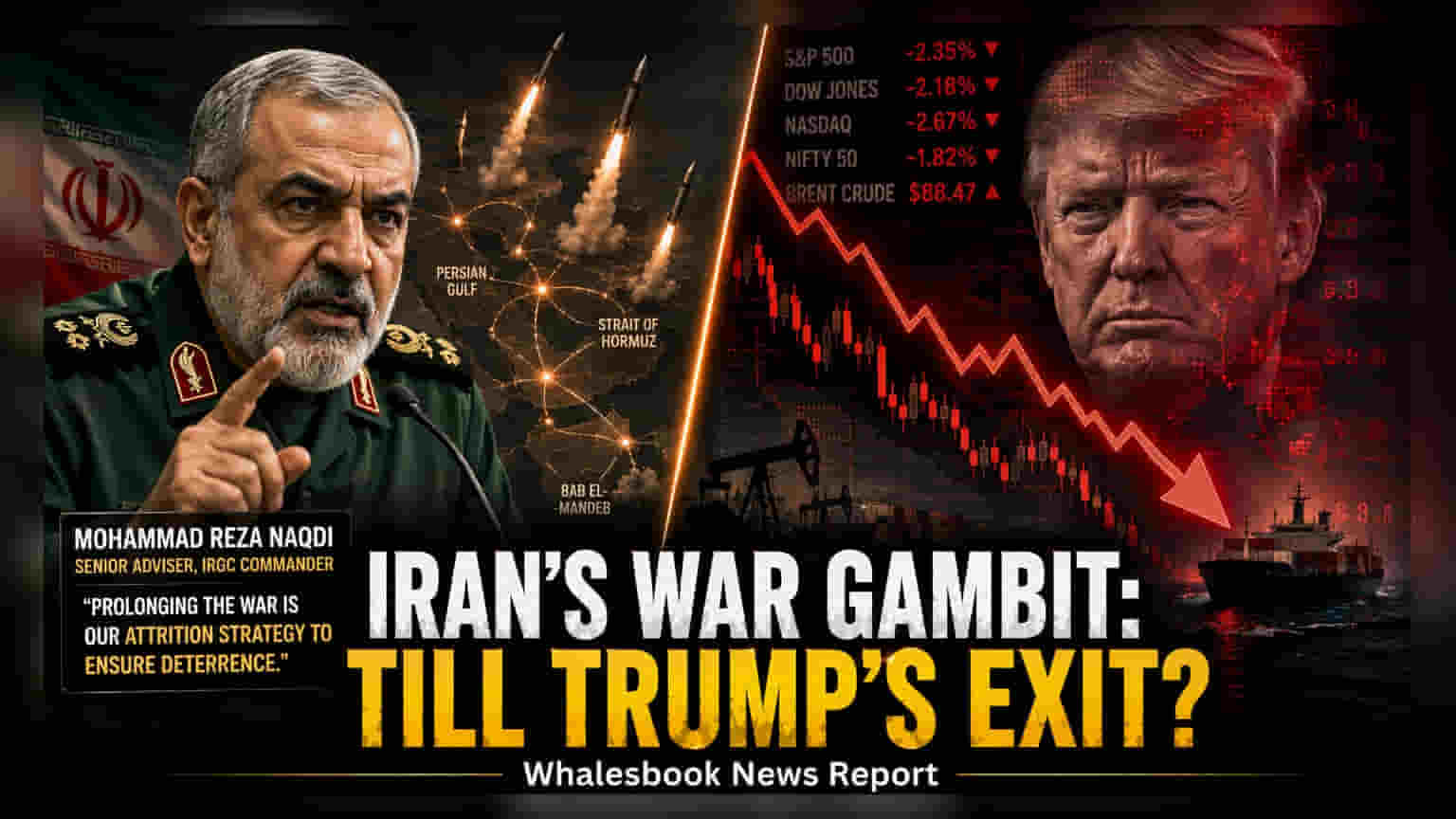
A senior Iranian military official has suggested that the conflict with the U.S. may continue until the end of the current presidential term to build deterrence. For investors, this persistent geopolitical tension signals potential risks for global shipping costs, energy prices, and supply chain stability.
Mohammad Reza Naqdi, a senior adviser to the commander of Iran's Islamic Revolutionary Guard Corps (IRGC), has indicated that Tehran may intentionally prolong its ongoing conflict with the United States. In comments regarding the strategy, the official stated that extending the engagement serves as a form of attrition, aimed at establishing deterrence and ensuring that any future military aggression against Iran carries a high cost.
This statement arrives as diplomatic efforts to revive the interim peace agreement, which collapsed in June 2026, remain stalled. The conflict, which began in February 2026, continues to maintain a state of high tension in the Middle East, with ongoing reports of maritime incidents and regional security concerns.
For Indian markets, the primary investor concern regarding this prolonged instability lies in its potential impact on global trade and commodities. Middle Eastern waterways, specifically the Bab el-Mandeb strait, are critical routes for global shipping. Continued threats to commercial vessels in these regions typically lead to higher maritime insurance premiums and increased freight charges. Such logistics disruptions can increase the cost of imported goods, potentially adding to inflationary pressures for manufacturing and consumer-facing sectors in India.
Energy markets are another major focus area for investors monitoring this situation. A persistent conflict in a region central to global oil production creates uncertainty in supply, which can trigger volatility in crude oil prices. For the Indian economy, which remains a significant importer of crude, sustained high oil prices can weigh on the financials of oil marketing companies and impact the broader trade balance.
Investors typically monitor these geopolitical developments for their ripple effects on input costs and profit margins across various industries. The key variable to track moving forward will be any changes in the flow of essential goods through major shipping lanes and the stability of global crude oil supply, as these factors directly influence corporate earnings and macroeconomic sentiment.