 Whalesbook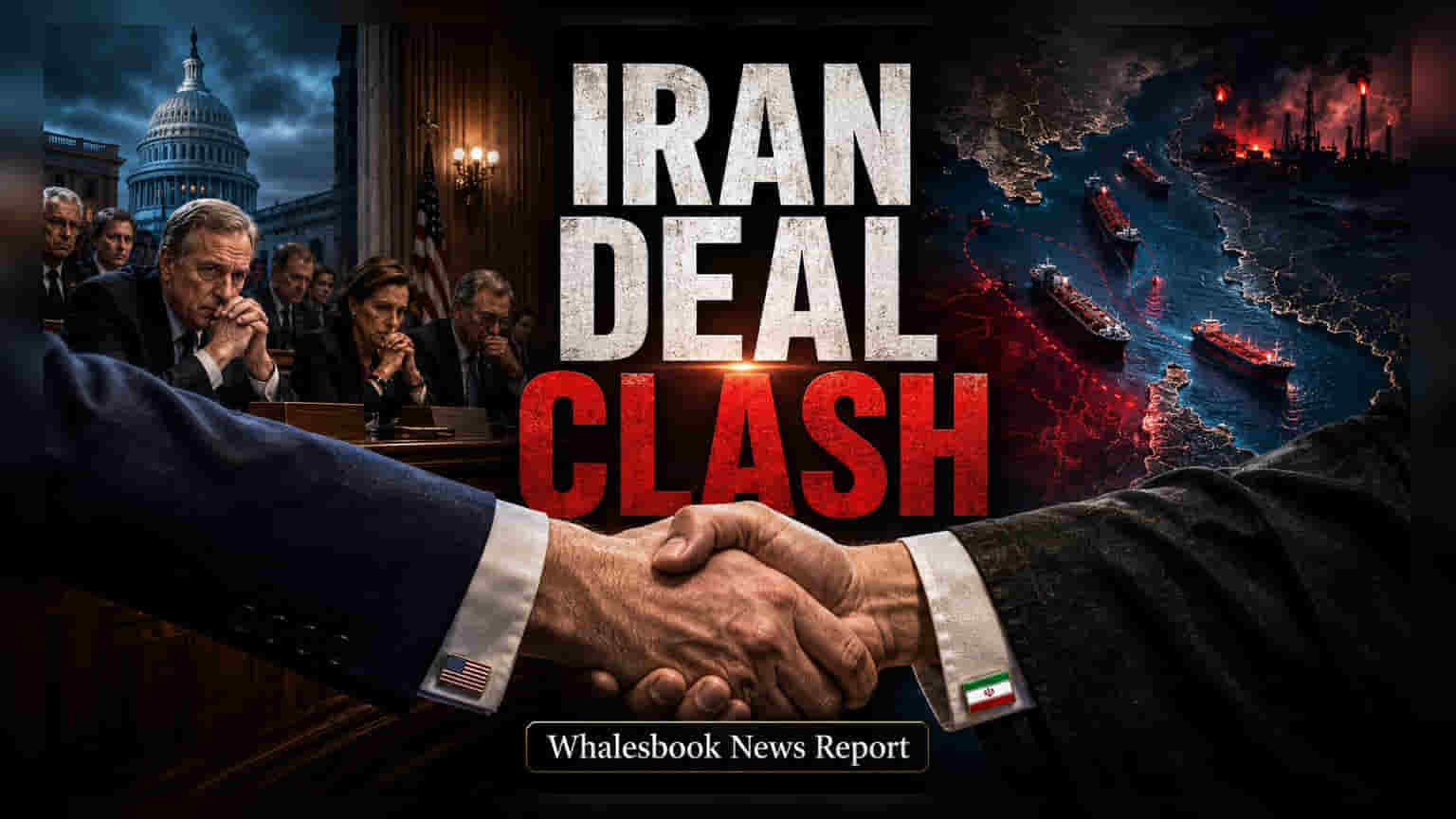


Geopolitical Risk Premium
Market watchers are adjusting energy risk assessments as the administration moves toward an agreement concerning the Strait of Hormuz. While unlocking assets and normalizing maritime transit could boost global oil supply, legislative hurdles create uncertainty for long-term planning. This volatility arises not only from immediate supply shifts but also from a fractured domestic consensus on Iran policy. Disagreements between the executive branch and Congress can foreshadow abrupt policy changes, prompting institutional investors to increase hedging in energy futures and regional currencies.
Abraham Accords Linkage
The administration is also seeking to reshape regional dynamics by linking the Iran framework to an expanded Abraham Accords. This strategy faces challenges as key regional nations, like Saudi Arabia, adopt a cautious approach, preferring structured diplomacy over rapid normalization. Pakistan's refusal to align with these proposals underscores the fragility of this broader diplomatic effort. For investors, this means the anticipated "peace dividend" to stabilize regional markets is not yet apparent. Reliance on this broader, delicate framework suggests that failure to secure peripheral alliances could quickly jeopardize the primary agreement with Tehran.
Structural Weaknesses and Uncertainty
Financial observers are wary of the shift from a "maximum pressure" policy to a negotiated settlement, especially given the unclear uranium enrichment thresholds that introduce systemic risk. If nuclear containment is not adequately addressed, regional military spending may rise, diverting capital from Middle East infrastructure projects. Moreover, relying on high-stakes, personal diplomacy rather than institutional agreements makes the strategy vulnerable to changes in political leadership. Critics argue this approach prioritizes short-term gains over long-term regional stability, leaving a persistent risk of sanctions being reimposed and potentially suppressing foreign direct investment in the region for years.
Market Outlook and Diplomatic Consensus
Brokerage sentiment is divided, with many analysts citing the negotiation's unpredictability as a key driver of cautious sentiment in the energy sector. Until verifiable metrics on maritime security and nuclear compliance are established, capital allocators are likely to remain defensive. Regional experts generally believe that without a multilateral framework involving buy-in from neighbors and Washington lawmakers, any agreement will struggle to achieve the durability needed to significantly alter the market outlook.