 Whalesbook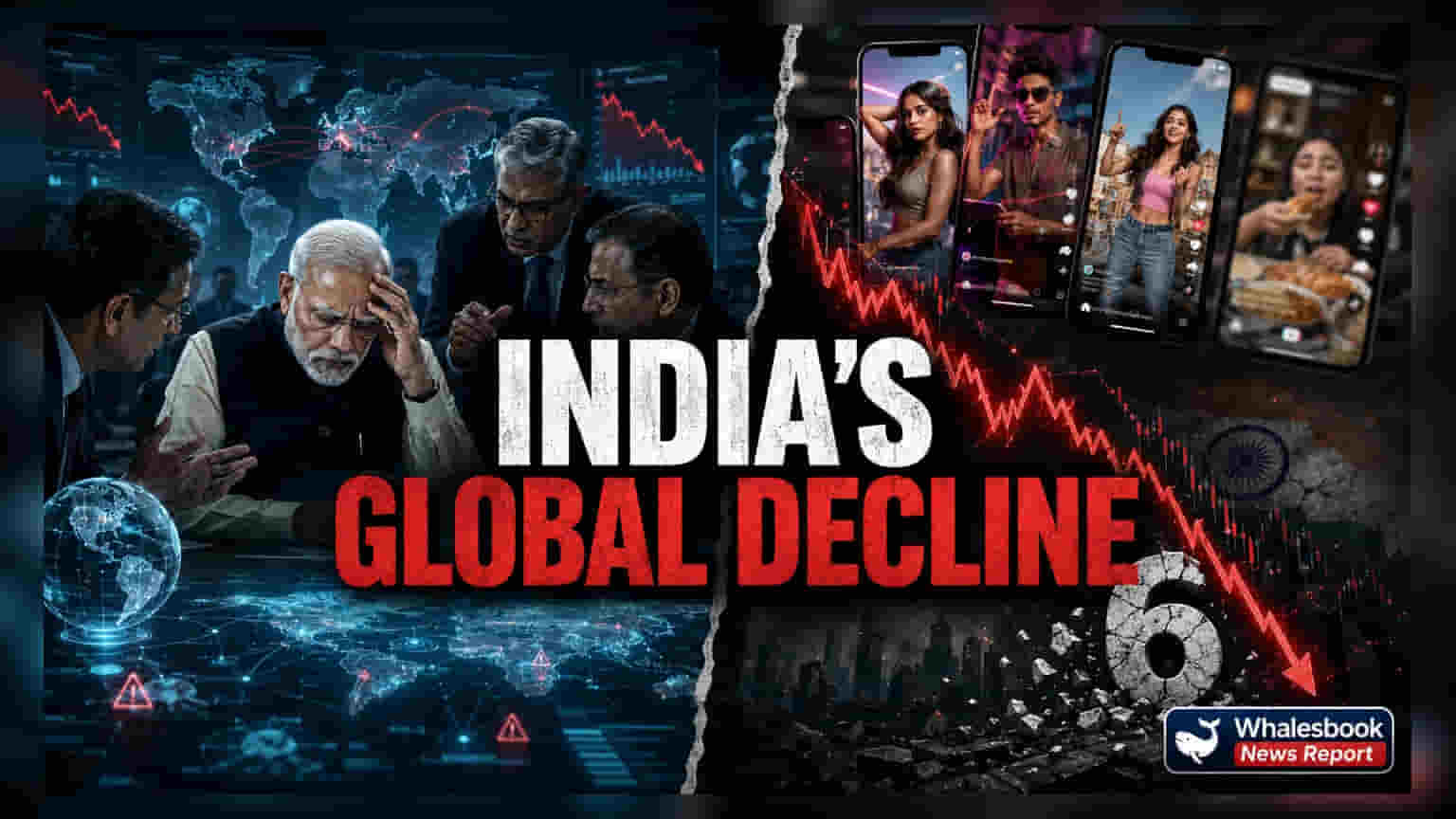


Currency and Economic Pressures
The Indian rupee is under significant strain in global markets, hitting historic lows against the US dollar in mid-May 2026. This depreciation is largely due to a widening trade deficit, fueled by high costs for imported crude oil and gold. Although the Reserve Bank of India states that domestic economic fundamentals are strong, foreign investors have significantly reduced their holdings in recent months. This situation increases costs for industries reliant on imports, making it difficult to pass these expenses onto consumers.
Nominal GDP Ranking Shifts
The International Monetary Fund has ranked India sixth globally in nominal GDP for 2026, a change from previous projections. This adjustment stems from technical revisions, including a shift to a 2022-23 base year for GDP calculations, and the impact of the rupee's depreciation when measured in dollar terms. Critics argue that focusing on nominal GDP rankings distracts from essential improvements needed in domestic productivity and per capita income. Despite this, India's real GDP growth is still projected to be among the fastest for major economies, though it has been revised down to 6.4% for 2026 due to tighter financial conditions and geopolitical events in West Asia.
Diplomatic Engagement Challenges
India's diplomatic efforts are facing delays. The Fourth India–Africa Forum Summit, planned for late May 2026, has been postponed. While the official reason cited is public health concerns related to an Ebola outbreak in Africa, the deferment impacts high-level engagement and creates opportunities for competing nations. This event was meant to re-establish proactive South-South cooperation but now illustrates how regional instability can disrupt diplomatic schedules. India's strategy in the Indo-Pacific, including platforms like the Quad, remains a focus, but its effectiveness is tested by shifting global priorities and economic volatility.
Key Risks and Economic Hurdles
India's economy faces a complex set of risks. Beyond energy market fluctuations, the ongoing crisis in West Asia could disrupt supply chains and keep inflation high. International institutions like the World Bank point to India's strengths, such as large foreign reserves and efforts to diversify trade. However, the country's dependence on energy imports remains a significant weakness. Additionally, sustaining strong services exports amid a slowing global economy presents a challenge for India's growth model. Future success will depend on boosting manufacturing and infrastructure competitiveness to protect the economy from fluctuating global commodity prices and capital outflows.