 Whalesbook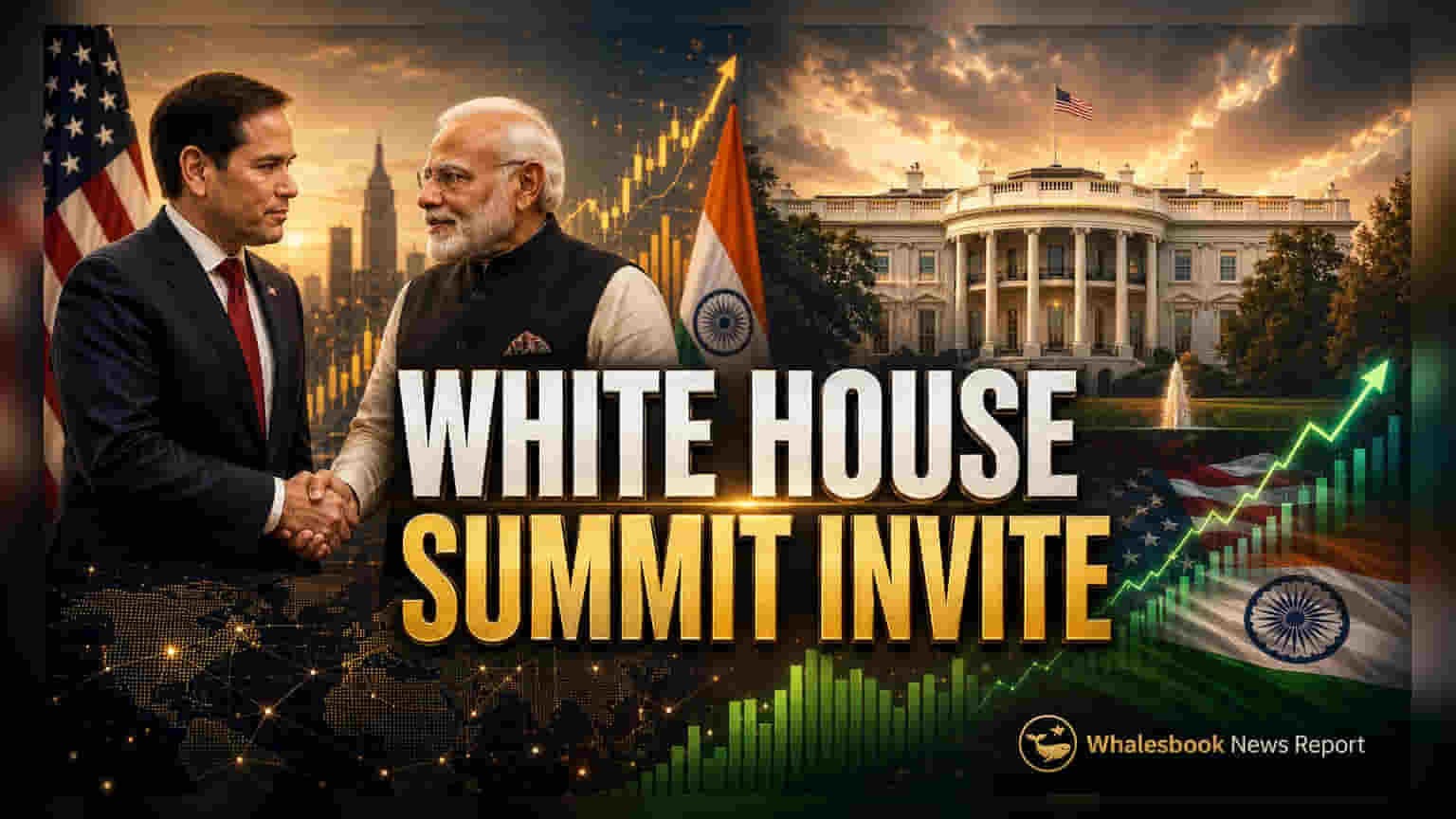


This high-level diplomatic exchange underscores a strategic move by the U.S. to strengthen its alliance with India. The White House invitation, following talks on critical technologies and regional security, positions India as a key partner in Washington's Indo-Pacific strategy. The visit occurs during a period of geopolitical flux, with the West Asia crisis heightening concerns over global energy markets and India's energy security.
Strategic Alignment and Tech Frontiers
Secretary Rubio's visit, his first to India, included productive discussions with Prime Minister Modi on enhancing collaboration in security, trade, and advanced technologies. These areas are seen as foundational to bolstering bilateral ties and advancing the vision of a "free and open Indo-Pacific." The dialogue also touched upon the ongoing progress of the India-U.S. Comprehensive Global Strategic Partnership. Both leaders affirmed a commitment to continued collaboration for global benefit.
Geopolitical Currents and Energy Diversification
The escalating situation in West Asia was a significant topic, with the U.S. expressing resolve against any nation disrupting global energy markets. Secretary Rubio indicated that increased American energy exports could help India diversify its energy sources, a crucial consideration given current global energy market volatility. This is particularly relevant as India relies heavily on energy imports.
Analytical Perspective
The invitation to Prime Minister Modi comes as India's economic growth and strategic positioning face increasing global scrutiny. While the U.S. emphasizes cooperation in critical technologies, India's competitive standing against peers like China and South Korea is a key factor. Underlying issues like H-1B visa friction and trade tariffs could also impact future bilateral trade and investment. The upcoming Quad Foreign Ministers’ Meeting, including Australia and Japan, further solidifies the multilateral framework for regional stability in the Indo-Pacific.
Risks and Outlook
While the diplomatic engagement signals a strengthening partnership, potential challenges remain. Persistent trade disputes and the evolving West Asia crisis could introduce complexities. India's dependence on energy imports makes it vulnerable to global supply shocks and price fluctuations. Analysts generally view the India-U.S. strategic partnership as robust, expecting continued dialogue on defense, technology, and economic matters. The pace of implementation and resolution of trade irritants will be critical for future progress. The projected economic growth rates for both nations provide a supportive backdrop for enhanced bilateral engagement.