

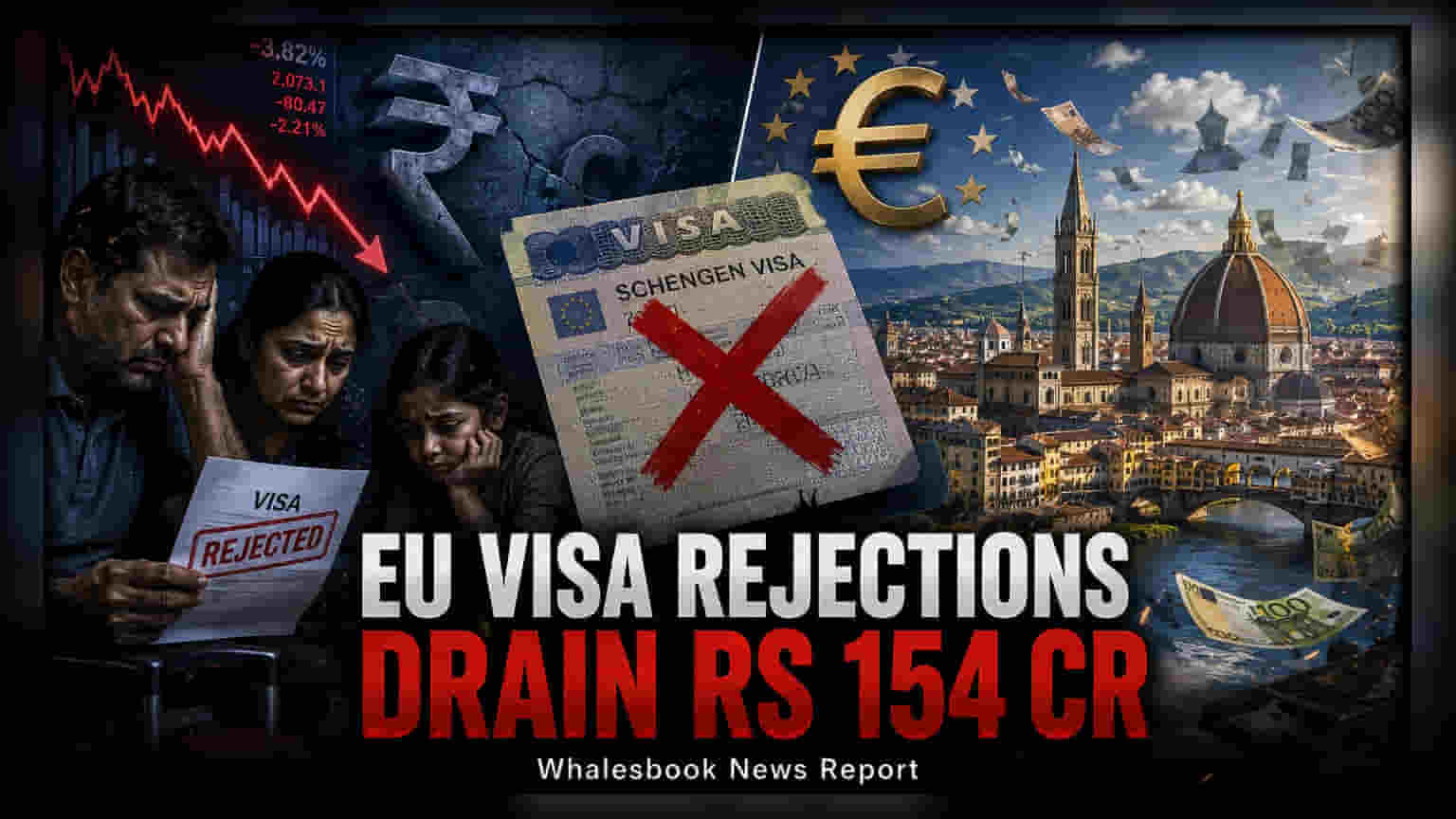
Indian travelers lost approximately Rs 154.9 crore in non-refundable Schengen visa fees in 2025, driven by a 15.8% rejection rate. This high denial rate creates friction in the outbound travel sector, potentially forcing travelers to shift toward visa-friendly destinations, which may influence the product mix for major Indian travel companies.
Indian travelers faced a significant financial setback in 2025, losing approximately Rs 154.9 crore in non-refundable Schengen visa application fees. With 1.15 million applications filed, the rejection rate for Indian citizens stood at 15.8%, resulting in over 181,000 denied requests. This data, highlighting a high barrier to entry for one of the world's fastest-growing outbound travel markets, serves as an important metric for the tourism industry and travel-related businesses.
Impact on Outbound Travel Trends
While Europe remains a top destination for Indian globetrotters, the persistent friction in the visa application process creates a notable headwind. For travel companies, this does not necessarily translate to an immediate financial hit, as revenue is often generated through flight and hotel bookings that are made independently of the visa approval. However, persistent rejection rates can lead to a shift in consumer behavior. Travelers may increasingly opt for destinations with easier, e-visa, or visa-on-arrival policies, such as countries in Southeast Asia or the Middle East. If this trend continues, travel service providers may need to adjust their marketing and product offerings to cater to these shifting preferences, which could affect the average ticket size and profit margins of their international packages.
Understanding the Rejection Factors
The high rejection rate is not attributed to a single cause but rather a combination of systemic hurdles. The European Commission’s data suggests that common reasons for refusal include insufficient proof of financial means, weak documentation regarding the purpose of the visit, and failure to provide credible proof of intent to return to India. European consulates have increased their scrutiny of applicant profiles, including meticulous cross-referencing of financial records and tax filings. This creates an operational risk for applicants who do not have perfect documentation, leading to the loss of the non-refundable visa fees.
Investor Monitorables
The most important factor for investors to track in the travel sector is the shift in destination demand. A sustained rise in visa rejections for popular European destinations could negatively impact the premium segment of outbound tourism revenue. Conversely, travel companies that effectively pivot their offerings to include high-growth, visa-friendly regions may see better stability in their booking volumes. Investors should monitor quarterly updates from major travel players for commentary on changing destination trends and the impact of visa-related friction on their overall bookings. As of now, the broader travel market continues to grow, but the specific segment of European travel faces clear challenges regarding accessibility and cost efficiency.