

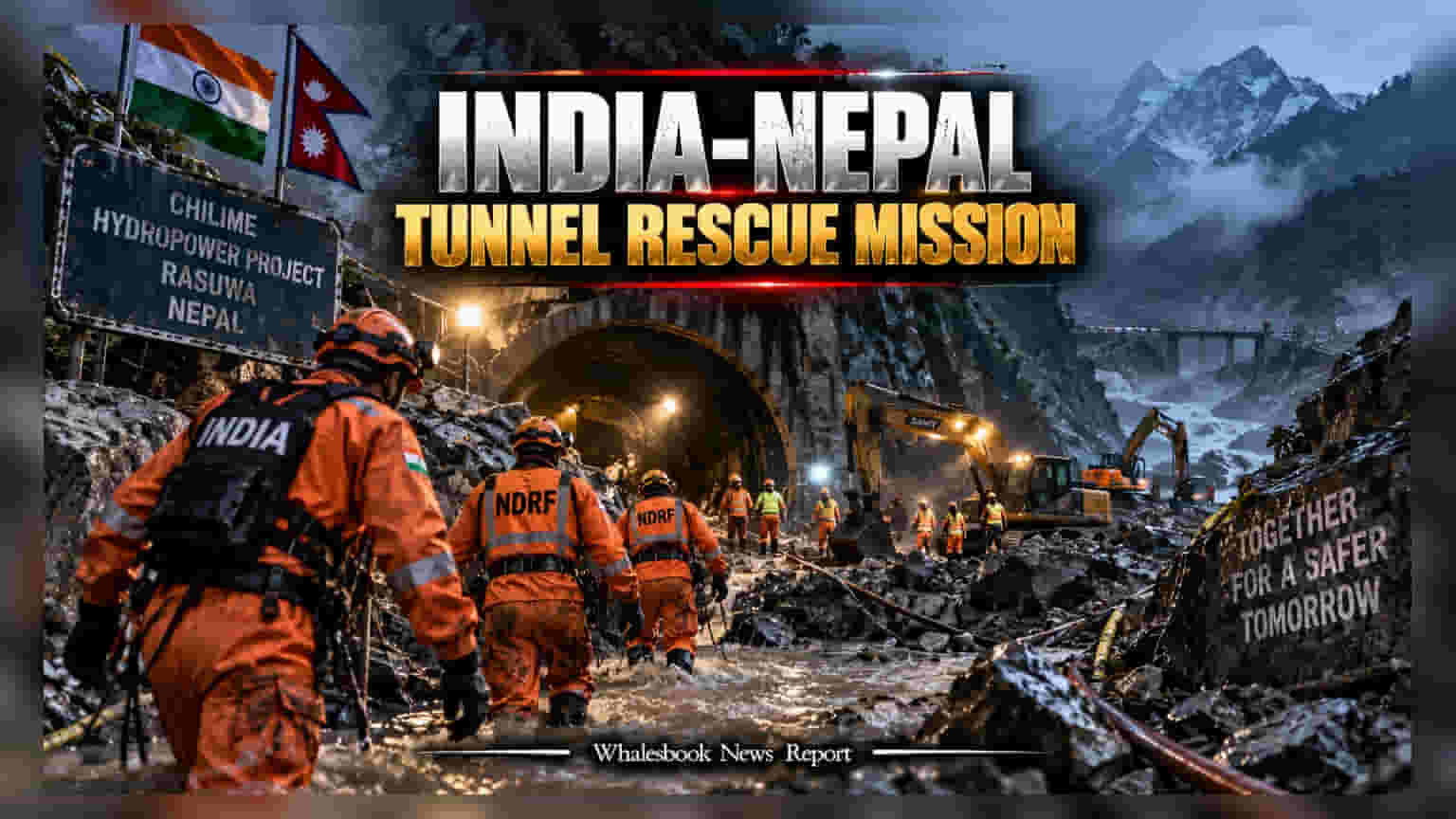
Indian technical teams are advancing into Nepal's flood-damaged Chilime hydropower tunnel to clear debris following the August 26 disaster. While rescue efforts continue, the catastrophe has triggered significant volatility in Nepal’s stock market, particularly affecting the hydropower and non-life insurance sectors due to widespread infrastructure damage and projected insurance claim liabilities.
Indian technical experts and the Nepali Army have achieved a critical breakthrough at the Chilime hydropower project in the Rasuwa district. By carving a path through the debris, teams are now positioning heavy equipment to reach blocked sections of the tunnel. This logistical progress follows the catastrophic flash floods on August 26, 2026, which were triggered by a massive glacial collapse near the Nepal-Tibet border.
The humanitarian toll remains severe, with 1,344 fatalities confirmed and nearly 4,900 people still missing across the northern and central regions of Nepal. While the successful rescue of two survivors from the Trishuli 3A hydropower tunnel on September 4 has provided a small measure of hope, the physical destruction of infrastructure—including dams, power facilities, and transportation networks—is immense.
The disaster has created significant volatility within Nepal’s financial markets. The Nepal Stock Exchange (NEPSE) has experienced sustained selling pressure, specifically within the hydropower and non-life insurance indices. Hydropower companies operating in the heavily affected Rasuwa and Nuwakot districts face immediate operational hurdles. With many projects rendered non-functional, companies are grappling with a total loss of power generation revenue, which creates potential strain on their ability to service project-specific debt.
The non-life insurance sector is also facing substantial pressure. Industry observers anticipate a high volume of damage claims as facility operators begin to formally assess the structural impact of the floods. The scale of the destruction across the Bhotekoshi River corridor suggests that insurers will likely need to process large-scale claims, which could impact short-term profitability and capital buffers for firms with heavy underwriting exposure in these regions.
For investors, the situation remains complex. Indian companies with business interests in Nepal or cross-border infrastructure exposure are currently assessing the impact on their supply chains and ongoing contracts. The recovery for these firms will depend on the speed of debris clearance and the subsequent restoration of critical power and transport links. Moving forward, the most important updates to monitor include the timeline for structural site assessments, the total volume of filed insurance claims, and any government-led directives regarding the financial relief or debt restructuring for impacted power projects.