

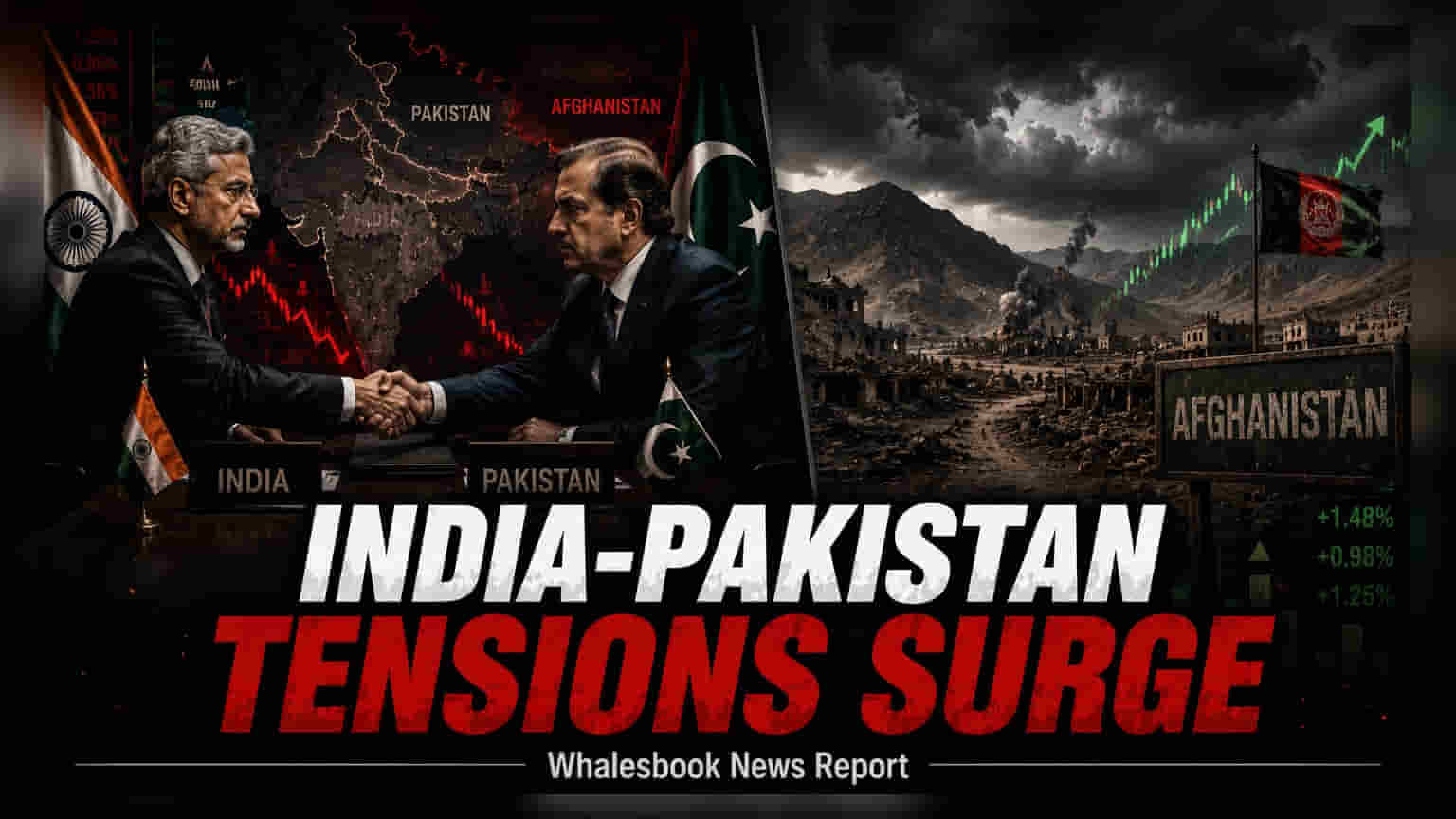
While diplomatic dialogue between India and Pakistan remains stalled and the Afghanistan-Pakistan conflict continues, Indian equity markets have historically maintained resilience to such South Asian geopolitical developments. Investors continue to prioritize domestic corporate earnings and macroeconomic indicators over regional security noise.
The ongoing geopolitical stalemate between India and Pakistan, coupled with the persistent instability in Afghanistan, continues to dominate the regional narrative. As of August 2026, formal diplomatic channels between India and Pakistan remain frozen. This situation is further complicated by the ongoing conflict between Pakistan and Afghanistan, which has involved border clashes and cross-border airstrikes since early 2026.
For investors in the Indian stock market, such geopolitical developments are often viewed through the lens of history. While regional instability can introduce short-term sentiment-driven fluctuations, the Indian equity markets (NSE and BSE) have demonstrated remarkable resilience to South Asian border tensions over the years. Historical data suggests that unless a regional conflict directly disrupts major supply chains, capital flows, or internal economic activity, the equity market tends to look past these issues.
Investors generally focus on domestic drivers such as corporate earnings, GDP growth, RBI policy, and inflation data rather than regional geopolitical noise. Even during periods of heightened border friction, the market's attention usually shifts back to sector performance and corporate fundamentals within a short timeframe.
However, it is important for market participants to recognize the difference between routine geopolitical tension and material 'tail risks.' A tail risk is a rare, unpredictable event—such as a sudden and significant escalation in border security—that could trigger a swift, sentiment-based market correction. While the current situation remains tense, it is currently categorized as a known issue rather than a new, unexpected shock.
As the region navigates these challenges, the primary focus for Indian investors remains on the domestic economic landscape. The stability of the Indian rupee, foreign institutional investment flows, and the ability of domestic companies to navigate global and local economic pressures are the factors that typically dictate long-term market direction. Investors may continue to monitor the broader geopolitical environment for any material changes, but the market's current structural focus remains on domestic growth trends and upcoming corporate updates.