

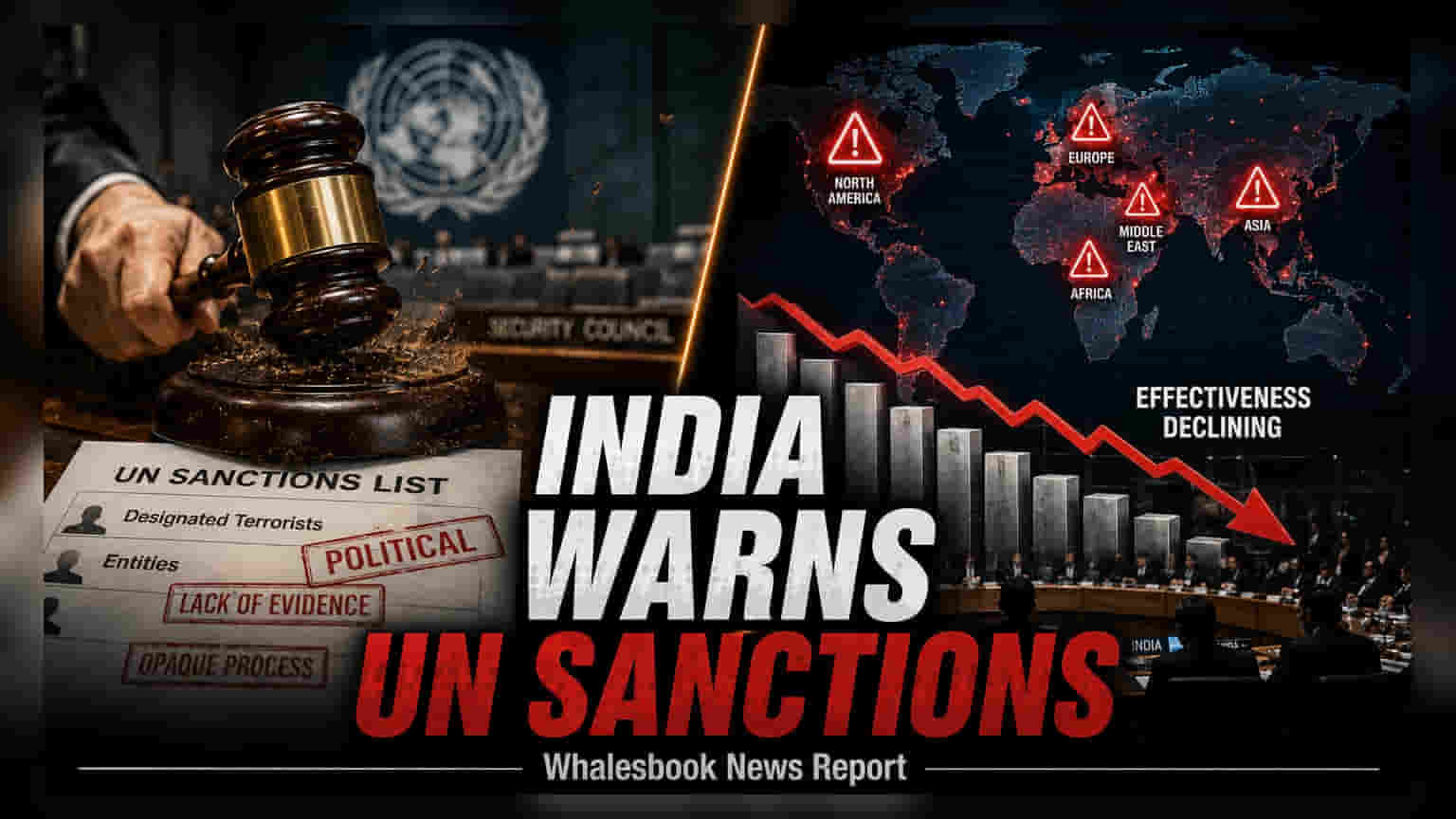
India has called on the UN Security Council to stop using its platform for narrow political interests, specifically regarding the listing and delisting of terrorists. New Delhi pushed for greater transparency in sanction processes and reiterated the urgent need for Security Council reforms to better reflect global realities.
India has taken a firm stand at the United Nations Security Council, urging member nations to stop using the platform for narrow political agendas. During an open debate on the Council's working methods, India’s Chargé d'Affaires, Ambassador Yojna Patel, emphasized that the UN must not become a venue for protecting designated terrorists or targeting entities without objective, verifiable evidence.
This move highlights a long-standing concern for New Delhi: the lack of transparency in how the UN handles sanctions regimes. India has frequently pointed out that the current process, which can be opaque, sometimes allows for political maneuvering rather than focused, evidence-based counter-terrorism action. By calling for impartiality in the listing and delisting of individuals and groups, India is advocating for a more effective and credible international security framework.
Beyond the debate on sanctions, India also raised alarms about the operational efficiency of the Council. Ambassador Patel highlighted that significant delays in appointing chairs for the Council’s subsidiary bodies are causing bottlenecks. These subsidiary bodies are essential for implementing UN mandates, and the current administrative delays are viewed as a hurdle to achieving their security objectives.
For investors and global observers, this diplomatic stance underscores India's growing influence on the world stage and its focus on national security. A more effective and transparent UN sanction regime is seen as crucial for global stability. India’s push for these reforms is not an isolated event but part of a wider, multi-year strategy to press for comprehensive UN Security Council reforms. New Delhi argues that the Council’s current structure, largely unchanged since 1945, fails to reflect the realities of the 21st century.
Looking ahead, the effectiveness of these diplomatic efforts will depend on whether India can build consensus among other member states to drive actual structural change. The international community will continue to track how these discussions evolve, particularly regarding the reform of global governance institutions and the enforcement of international mandates against threats to regional and global security.