

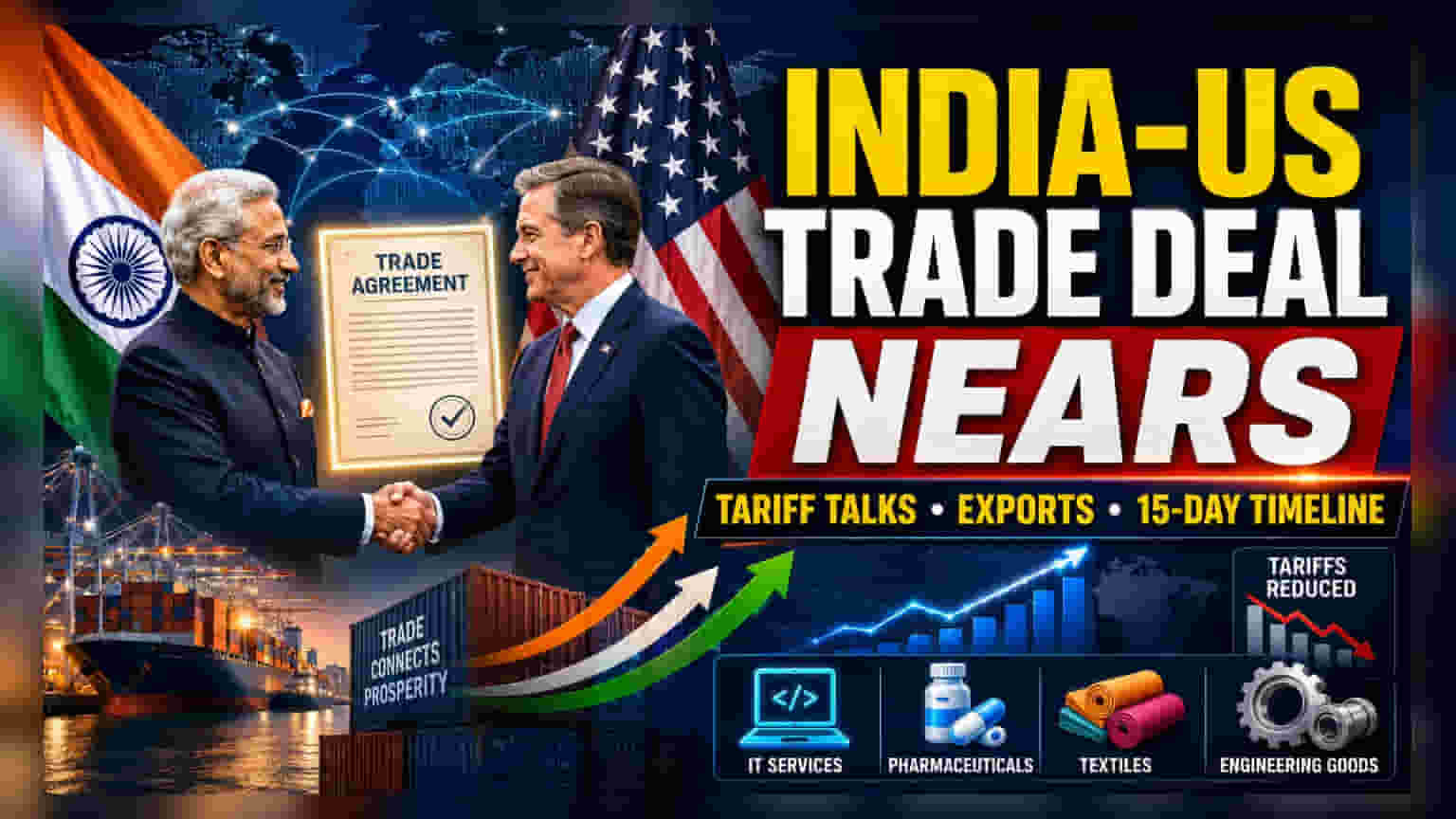
India and the US have concluded trade negotiations aimed at finalizing a bilateral deal within 15 days. The talks covered market access, supply chains, and a new US tariff architecture. Investors are watching for potential impacts on export-heavy sectors like technology and pharmaceuticals as both nations navigate regulatory hurdles.
What Happened
India and the United States have concluded two days of intensive trade negotiations in a push to finalize a bilateral trade agreement. The discussions involved senior officials, including the United States Trade Representative and India's Minister of Commerce and Industry. Both sides reviewed key areas such as expanding market access, setting frameworks for digital trade, and strengthening supply chain resilience. Reports suggest that a principal agreement has been reached, with expectations that a formal deal could be signed within the next 15 days.
The New Tariff Architecture
A critical part of these discussions is the anticipated update to the US tariff architecture under Section 301 of the US Trade Act. This section is a tool used by the US to enforce trade rights and address practices that it considers discriminatory or unreasonable. The ongoing talks are focused on replacing previous tariff structures that were subject to legal challenges. For investors, this shift is significant because it will set the rules for how Indian goods are taxed when entering the US market. Any change here directly affects the cost-competitiveness of Indian exporters.
Why This Matters for Indian Exporters
The United States is one of India's largest trading partners. Changes in trade rules here often create a ripple effect across several industries. Sectors that rely heavily on the US market—specifically IT services, pharmaceuticals, textiles, and engineering goods—are most sensitive to trade policy updates. A clear and stable trade deal could help companies in these sectors plan their exports better, while unexpected changes to tariff structures could squeeze profit margins or create supply chain uncertainties.
Challenges and Regulatory Hurdles
While both countries have expressed confidence, the path to a comprehensive deal involves navigating significant disagreements. These include differing views on high tariffs, agricultural market access, and regulations governing the e-commerce sector. Additionally, India’s strategic and energy ties with Russia have previously been points of friction in global trade dialogues. Some analysts have pointed out that a rushed agreement may not fully protect Indian industries from future trade actions. There is a risk that even with a new deal, the US could still initiate trade investigations if the specific terms are not robust enough, as seen in past experiences where trade agreements did not prevent the launch of Section 301 investigations.
What Investors Should Track
Investors should look for the following updates in the coming weeks:
- Official Deal Signing: Whether the anticipated 15-day timeline for the final agreement is met.
- Tariff Details: Specific announcements on new tariff rates or exemptions, as these will directly impact the cost of doing business for export-oriented Indian companies.
- Sector-Specific Policies: Any changes in digital trade and e-commerce rules that could affect technology or retail-focused businesses.
- Management Commentary: Updates from large export-oriented firms regarding their outlook on trade policy changes and supply chain planning.