 Whalesbook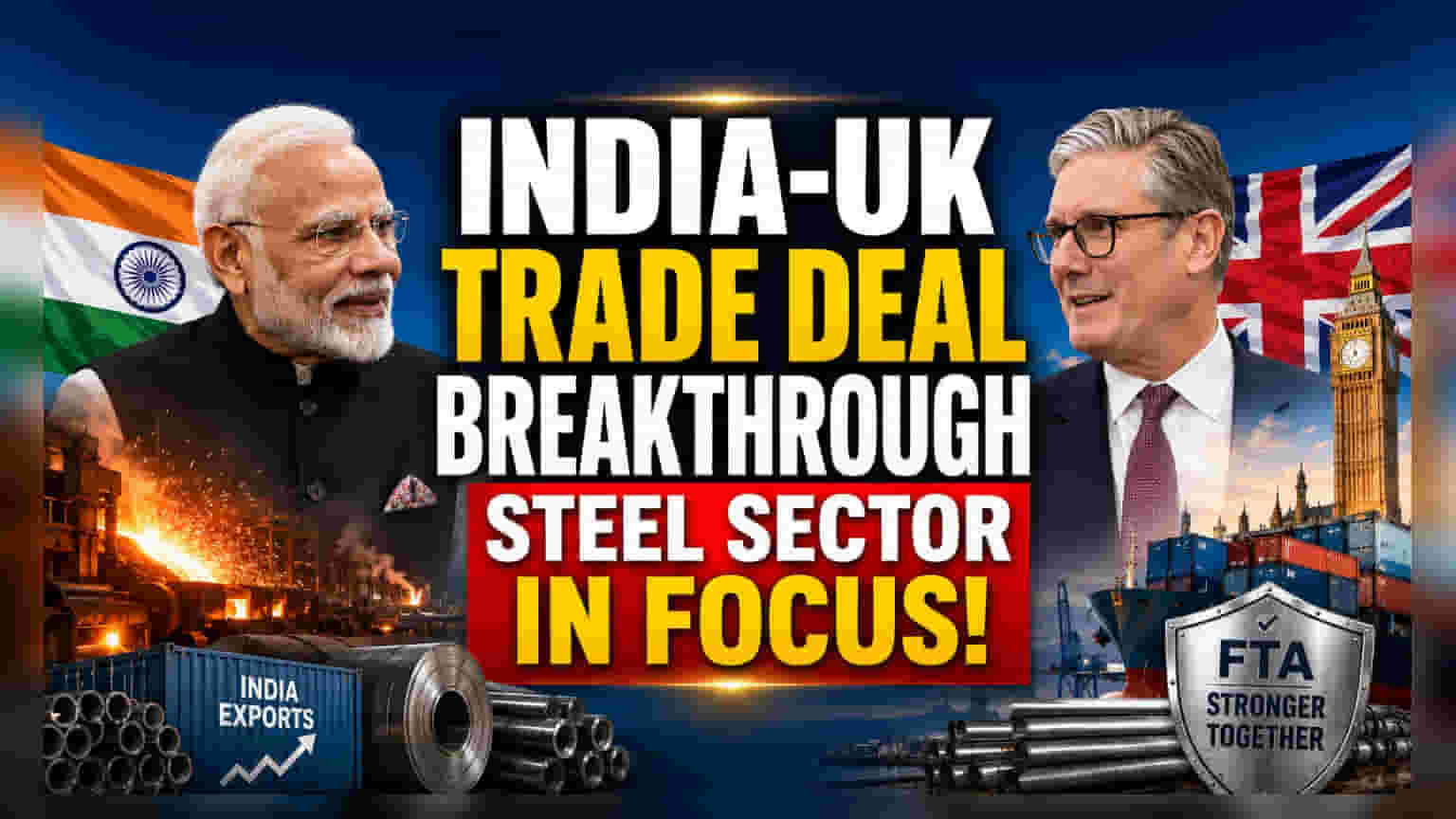


A G7 summit exchange between PM Narendra Modi and UK PM Keir Starmer signals progress on the India-UK Free Trade Agreement. Investors are monitoring the situation as the potential deal aims to resolve key hurdles, including UK steel tariffs and carbon measures, ahead of a July 2026 deadline for new import quotas. This development is significant for export-oriented sectors, as market participants await official confirmation and the fine print of the agreement.
What Happened
A brief interaction at the G7 Summit between Prime Minister Narendra Modi and UK Prime Minister Keir Starmer has generated significant attention regarding the India-United Kingdom Free Trade Agreement (FTA). The exchange, which was captured on audio, featured remarks suggesting that progress had been made on the long-pending trade pact. While not an official signing, the comments have fueled optimism that major roadblocks in the negotiations might finally be cleared.
The Steel Sector Focus
For investors, the most critical aspect of these trade negotiations involves the steel sector. The UK has been moving toward implementing stricter trade measures, including a plan to reduce tariff-free steel import quotas by 60% starting July 1, 2026. This potential restriction has been a major point of concern for Indian steel exporters, who rely on access to the UK market. If a trade agreement successfully addresses these specific tariff and quota concerns, it could provide much-needed relief to Indian steel producers by ensuring continued, competitive access to the British market.
Why This Matters For Investors
Trade agreements are complex and often hinge on fine print. While the G7 exchange indicates political willingness to resolve differences, the economic impact depends on the final terms of the deal. Beyond steel, the negotiations have touched upon the UK's proposed carbon border measures, which could impose additional compliance costs on exporters. Investors in industries such as textiles, chemicals, and engineering products are likely to watch for how these regulatory standards are harmonized in the final text. A favorable outcome could boost sentiment for companies with high exposure to the UK market.
How Investors May Read This
The market reaction will likely depend on the clarity provided in the coming weeks. Until an official document is released by the respective governments, the situation remains a work in progress. Investors are looking for concrete details on whether the 60% quota cut for steel will be mitigated or if new trade barriers will be introduced. The goal of such an agreement is to lower trade costs and increase export volumes, but the actual benefit will depend on whether the final terms provide a competitive advantage to Indian exporters.
What Investors Should Track Next
The immediate monitorables include official statements from the Indian Ministry of Commerce and Industry and their UK counterparts. Any upcoming meetings of the India-UK Joint Economic and Trade Committee (JETCO) will be key events, as these forums are used to iron out implementation details. Market participants will also watch for any specific announcements regarding the July 1, 2026 deadline for steel import quotas. Any delay or modification to this deadline would be a major indicator of the pact's progress. Finally, the broader timeline for the formal signing of the agreement will be the most important factor in determining the long-term impact on trade flows and investor sentiment.