 Whalesbook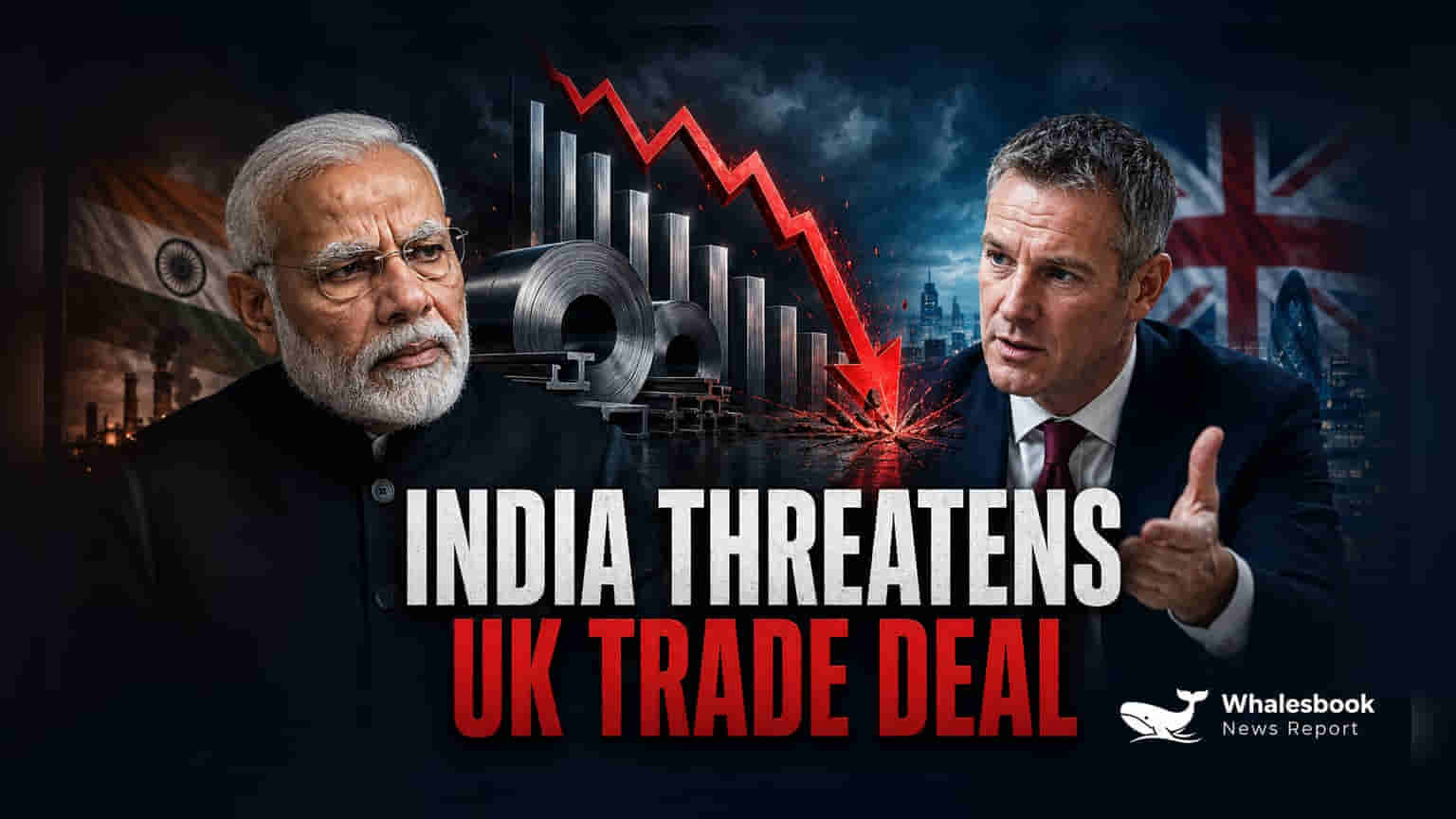


The Steel Standoff and Trade Leverage
The friction over market access reflects a broader shift in how New Delhi approaches bilateral trade frameworks. While the agreement was marketed as a major success for the current administration, the reality of implementation is proving far more contentious. By targeting high-profile concessions—such as those on Scotch whisky—the government is attempting to exert direct pressure on the UK’s trade representative, Peter Kyle, ahead of his visit. This strategy signals that India is no longer willing to accept imbalanced market terms for the sake of political optics.
Industrial Impact and Competitor Parity
The imposition of a 50% duty on steel volumes exceeding established quotas hits a segment of the Indian economy already grappling with thin margins and rising input costs. Unlike major global exporters who have established diverse shipping routes, many Indian steel producers remain heavily dependent on UK demand. This tariff structure effectively forces smaller Indian firms to compete on an uneven playing field against domestic UK producers and other European suppliers who are less impacted by these specific safeguard mechanisms. Financial analysts note that this could dampen the export volume growth expected from key domestic steel players for the remainder of the fiscal year.
The Forensic Risk Perspective
From a risk perspective, this retaliatory stance carries significant blowback potential. By signaling a willingness to walk back negotiated terms, India risks damaging its reputation as a reliable partner in long-term trade negotiations. Investors should monitor whether this brinkmanship signals a pivot toward protectionism that could complicate ongoing negotiations with the United States and the European Union. Furthermore, if the dispute escalates into a wider trade war, the resulting volatility in input costs could weigh heavily on infrastructure-focused portfolios. The primary risk remains that this posturing leads to a collapse of the current agreement, leaving key Indian industries isolated just as global demand begins to soften.
Future Trajectory
The upcoming diplomatic sessions will be a litmus test for the durability of the current partnership. If common ground is not reached regarding the steel quotas, the market should anticipate further hardening of trade barriers. Expect sustained volatility for companies heavily exposed to UK-India bilateral trade lanes until a compromise is formalized, as current policy uncertainty inhibits capital expenditure planning in the manufacturing sector.