

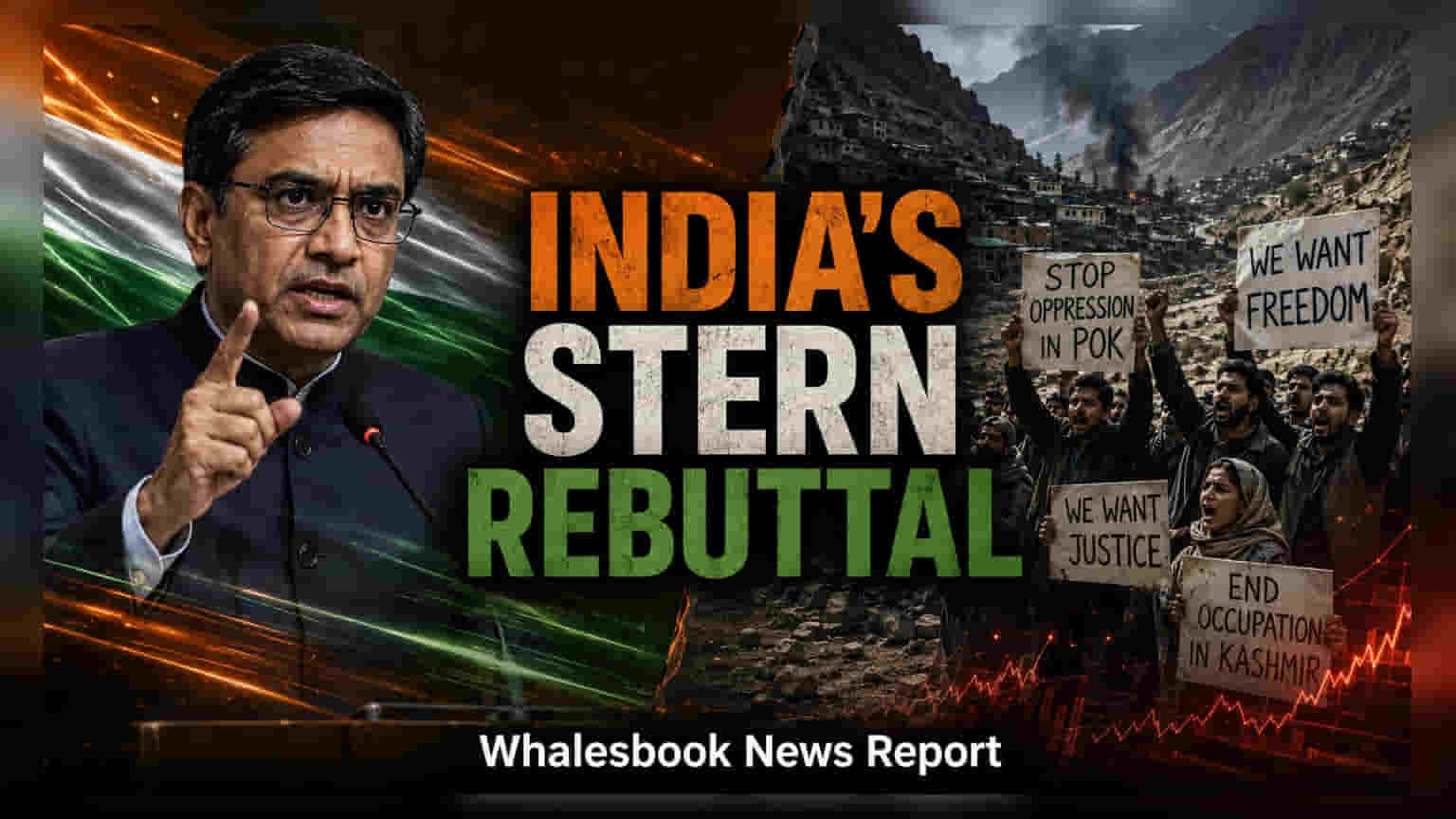
The Ministry of External Affairs has officially rejected recent comments by Norway's Foreign Minister on Kashmir, reiterating that the region is an integral part of India. New Delhi also urged global attention toward ongoing human rights issues in Pakistan-occupied Kashmir. This is a geopolitical diplomatic update and has no direct impact on stock market listings or corporate financial performance.
India’s Ministry of External Affairs (MEA) issued a strong response on Friday, August 14, 2026, rejecting remarks made by Norwegian Foreign Minister Espen Barth Eide regarding Kashmir. During his recent visit to Islamabad, the Norwegian minister reportedly discussed regional issues, including Kashmir, with Pakistan's leadership. In response, MEA spokesperson Randhir Jaiswal reiterated that Jammu, Kashmir, and Ladakh are integral and inalienable parts of India.
Focus on Human Rights in PoK
Beyond rejecting the comments on Kashmir, New Delhi directed international focus toward the situation in Pakistan-occupied Kashmir (PoK). The MEA emphasized that the global community should instead address the human rights abuses being reported in the region and its alleged use as a base for cross-border terrorism. The official statement also highlighted the escalating local unrest in PoK, where citizens have been protesting against high costs of living and a lack of political reforms.
Indus Waters Treaty and Diplomatic Stance
The ministry also addressed recent criticisms from Pakistan Prime Minister Shehbaz Sharif regarding the Indus Waters Treaty. New Delhi reaffirmed its established position on the treaty, stating that there has been no change in India's policy. India had previously suspended aspects of the treaty following a terror incident, maintaining a firm stance on the matter.
Investor and Market Context
This development is a diplomatic event centered on foreign policy and international relations. It does not involve any publicly traded companies, regulatory exchange filings, or market-moving corporate announcements. As this is a government-to-government matter, there is no direct impact on individual stocks, sectors, or financial instruments. Investors generally monitor regional geopolitical stability as a background factor for broader market sentiment, but this specific update does not carry implications for corporate earnings, debt levels, or company operations.