 Whalesbook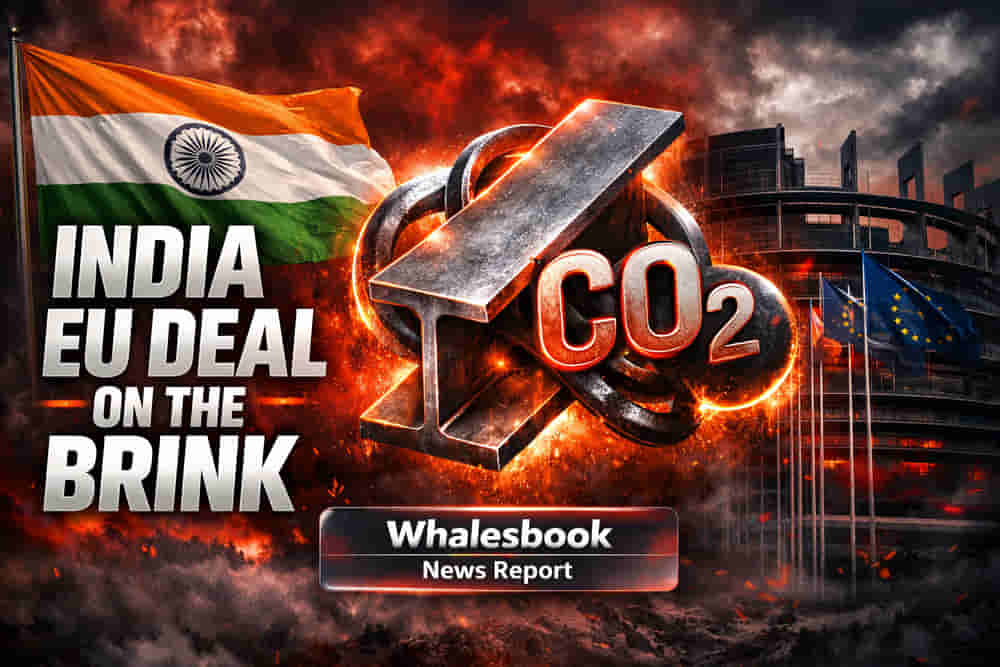
India Seeks Key Concessions in EU FTA Negotiations
India is pushing the European Union for last-minute concessions on carbon border taxes and steel export quotas as Free Trade Agreement negotiations enter their critical final phase this month.
CBAM Flexibility Demands
India aims to gain flexibility in meeting the EU's Carbon Border Adjustment Mechanism (CBAM) obligations. New Delhi wants the EU to recognize its domestic carbon reduction initiatives and pricing schemes as valid offsets, rather than imposing potentially costly direct payments on exported goods like steel and aluminum.
Industry estimates suggest Indian steel and aluminum exporters might need to cut prices by 15-22% to absorb the new carbon tax if alternative offsets are not accepted. The CBAM officially begins implementation on January 1, 2026.
Steel Quotas and Market Access
Negotiators are also pressing for higher quotas allowing Indian steel exports to the EU at preferential duty rates. Sources indicate India is exploring options like securing unused quotas from other nations.
Conversely, the EU is seeking greater market access for its automobile and dairy products within India.
Political Momentum
Commerce Minister Piyush Goyal is set to join trade negotiators in Brussels to inject political momentum into the talks. The push is to ensure significant announcements can be made during the upcoming visit of European Commission President Ursula von der Leyen and European Council President Antonio Costa for India's Republic Day celebrations.
Both sides are eager to finalize the FTA amidst growing global trade uncertainties and tariff impositions from countries like the United States. Bilateral trade in goods between India and the EU stood at $136.53 billion in 2024-25.