

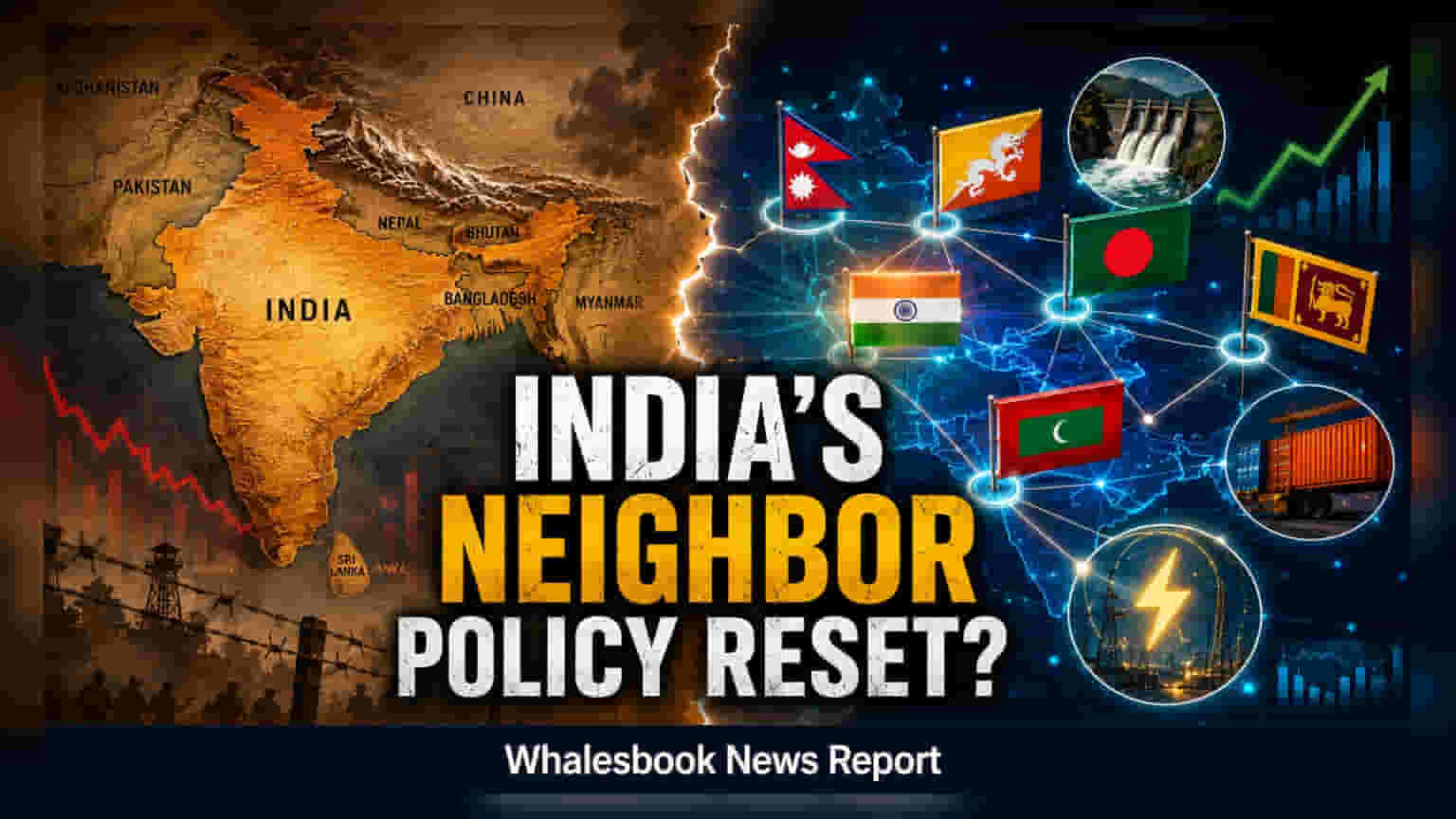
Policy expert Nitin Pai urges a strategic shift in India’s foreign policy toward its neighbors. Moving beyond geopolitical rivalry with China, the proposal suggests leveraging India's economic growth to foster bilateral trade and mutual interest, which could reshape regional business and infrastructure cooperation.
India’s foreign policy approach toward its immediate neighbors is facing a need for a strategic reset, according to a recent analysis by Nitin Pai, co-founder of The Takshashila Institution. The expert argues that the traditional model, which has often been defined by defensive geopolitical maneuvers and a focus on countering external influence, may no longer serve India's long-term interests as well as a more economically driven strategy.
Shifting Regional Dynamics
The geopolitical landscape in the subcontinent is evolving, with new political leadership across countries like Nepal, Bangladesh, and Sri Lanka, along with changing dynamics in the Maldives and Bhutan. Pai notes that these nations are increasingly setting their own agendas and priorities. Treating these relationships primarily through the lens of a competition with China may overlook the specific economic opportunities and developmental needs that these countries possess independently.
Economic Leverage and Mutual Benefits
India has experienced substantial economic growth over the past two decades. Pai suggests that this economic strength creates an opening to move away from purely geopolitical strategies and toward an engagement model centered on enlightened self-interest. Rather than offering asymmetric concessions or focusing on keeping external powers out, the argument is that India can build stronger, more sustainable ties by focusing on specific, mutual benefits.
For example, Nepal and Bhutan have significant potential in hydroelectric power, which could serve India's energy needs. Bangladesh faces critical requirements for river water management and energy imports. Similarly, countries like Sri Lanka and the Maldives have specific needs regarding fuel security and maritime access. Pai advocates for a policy that treats each neighbor distinctly, identifying specific, actionable areas where bilateral cooperation creates clear value for both sides.
Implications for Regional Cooperation
This suggested approach represents a departure from the traditional reliance on slow-moving infrastructure projects managed largely by public sector entities. By shifting the focus toward specific bilateral needs, the strategy aims to replace the previous pattern of reacting to external regional developments with a more proactive, interest-based engagement. For the broader economic environment, such a shift in policy could eventually influence the ease of cross-border business, energy trade, and regional infrastructure development, which are critical components of the South Asian economic landscape.