 Whalesbook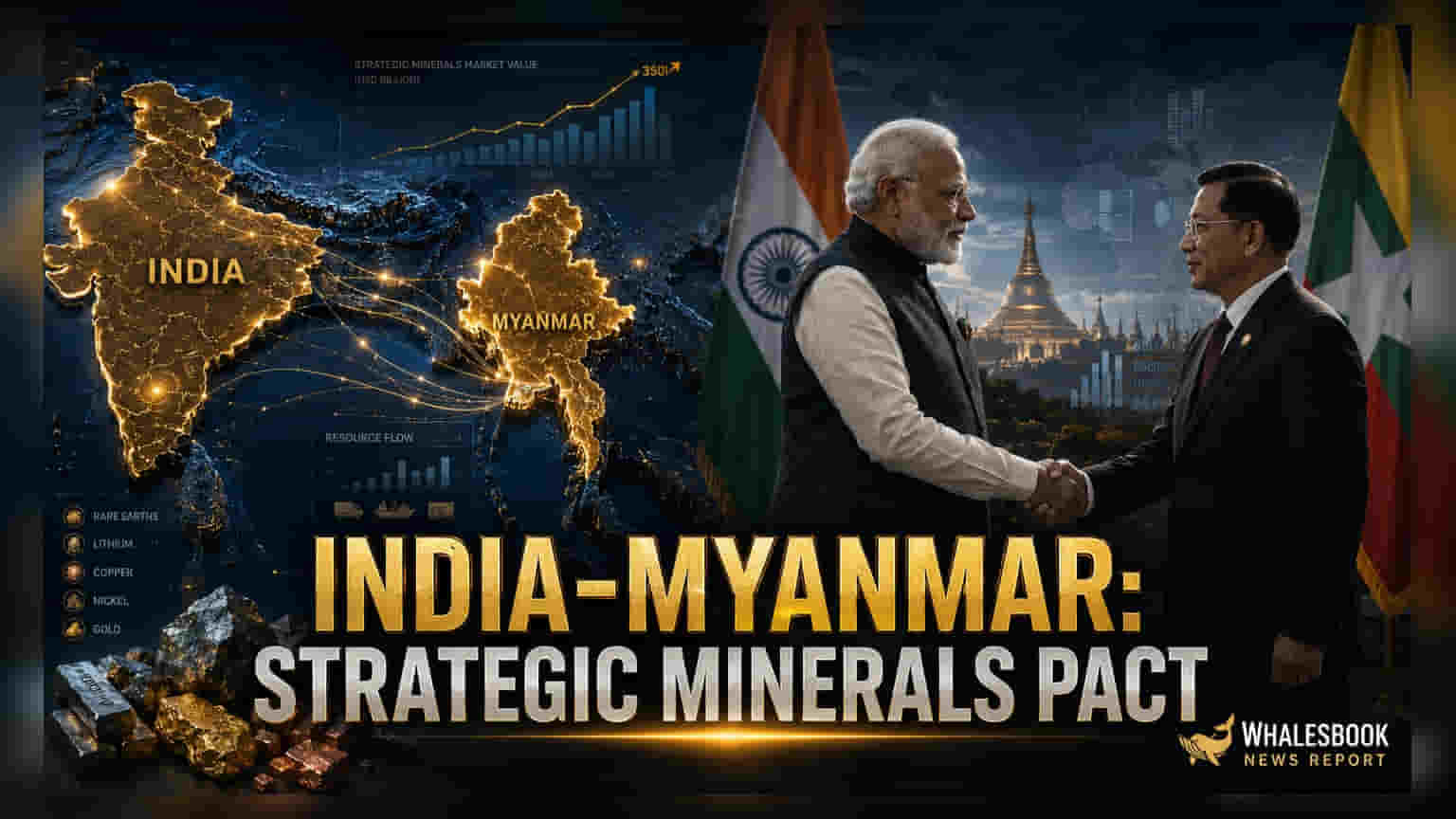


The Geopolitics of Resource Security
The formalization of a strategic mineral pact between New Delhi and Naypyidaw represents a calculated maneuver to diversify supply chains for rare earth elements. As global manufacturing hubs pivot away from singular dependencies, India’s active engagement with Myanmar is driven by the urgent need for domestic raw material security. By securing direct access to these resources, India aims to feed its burgeoning semiconductor and electric vehicle sectors, which have historically faced volatility due to reliance on volatile international markets.
Integrating Defense and Supply Chains
Unlike standard trade agreements, this partnership bundles resource access with long-standing defense cooperation protocols. The focus on training for United Nations Peacekeeping missions provides a non-confrontational framework for military-to-military engagement. For investors and market analysts, the inclusion of infrastructure connectivity and capacity-building measures indicates that India is positioning itself as a primary development partner, effectively acting as a regional counterweight to other major powers vying for influence in the Bay of Bengal.
The Security and Operational Calculus
Management of the 1,643 km border remains a significant operational risk factor that cannot be ignored. While the partnership aims to stabilize bilateral ties, the internal political environment within Myanmar presents a structural hurdle for long-term project execution. Previous attempts at large-scale regional infrastructure projects in the area have frequently faced delays due to civil unrest, currency instability, and regional logistics bottlenecks. Market participants should monitor whether this new framework can insulate mineral extraction zones from the broader volatility currently affecting Myanmar’s domestic economy.
Risk Factors and Regional Hurdles
The effectiveness of this pact will ultimately be determined by the ability of both nations to facilitate seamless cross-border logistics. Investors must weigh the potential for a secured rare earth supply against the heightened regulatory and reputational risks associated with operating in Myanmar. While the official stance from New Delhi emphasizes stability and the 'Neighbourhood First' policy, the disparity in economic governance and federal stability between the two nations suggests that project timelines may be subject to significant slippage. Consequently, the reliance on Myanmar as a consistent mineral supplier remains a speculative long-term play rather than a near-term solution to domestic resource shortages.