

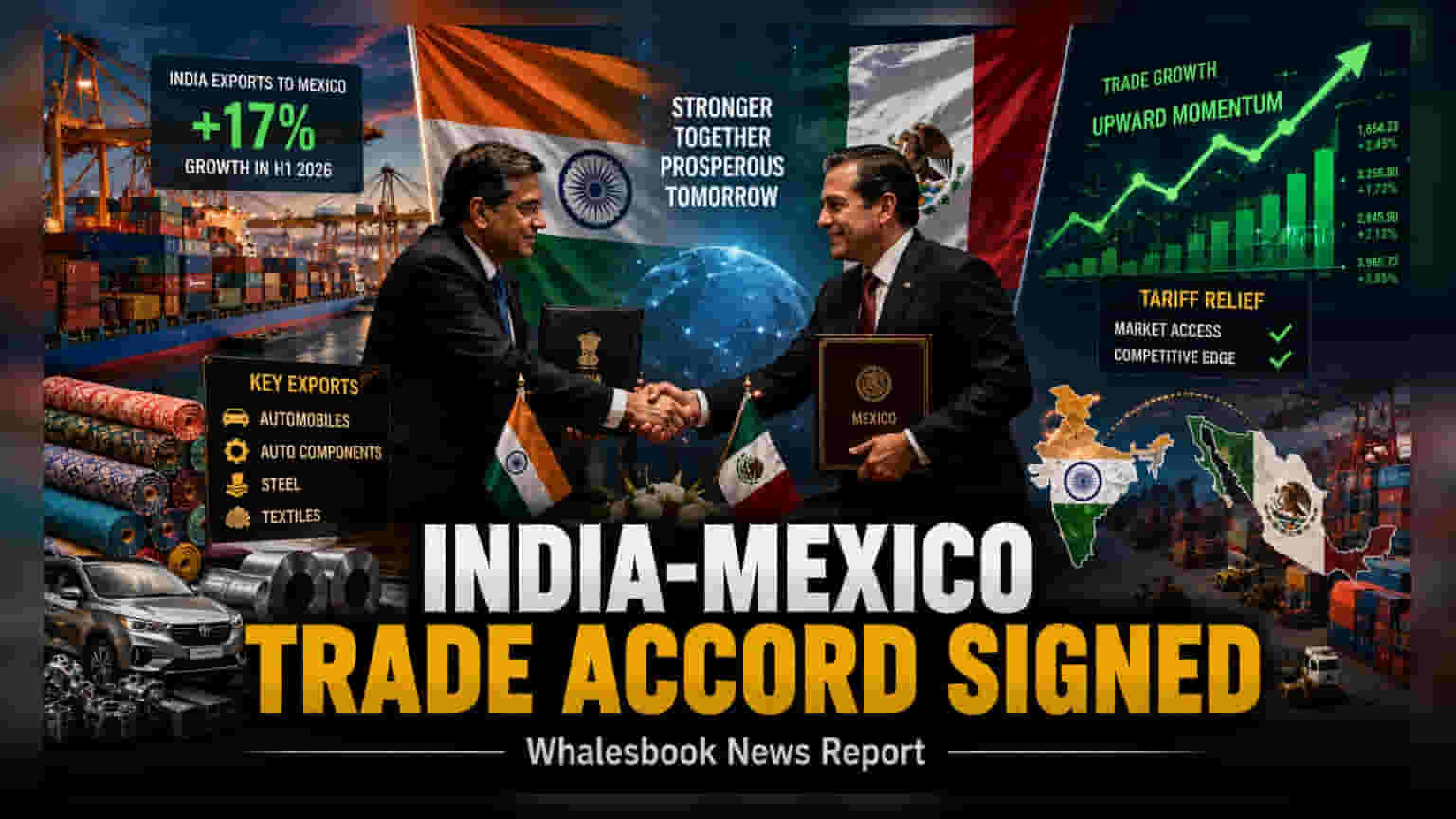
India and Mexico have finalized the Terms of Reference for a new Preferential Trade Agreement, with a formal signing targeted for November 2026. This pact aims to mitigate the impact of Mexico's 50% tariff hikes on over 1,400 goods imposed earlier this year. Investors are closely monitoring how this agreement will provide relief to key export sectors like automobiles, steel, and textiles.
India and Mexico have reached a key milestone in bilateral trade negotiations, finalizing the Terms of Reference for a Preferential Trade Agreement as of August 20, 2026. This development arrives after months of dialogue aimed at resolving trade frictions caused by Mexico's restrictive import policies. The formal signing of the agreement is currently expected to take place in November 2026, marking a significant step in the economic relationship between the two nations.
Impact of Tariff Hikes
The need for this agreement gained urgency following Mexico's decision in January 2026 to increase Most Favored Nation import tariffs from 5% to as high as 50% on 1,455 product categories. This policy, designed to curb imports from non-Free Trade Agreement partners, created immediate pressure for Indian exporters. Sectors heavily reliant on the Mexican market, including automobiles, auto components, steel, and textiles, faced sudden cost disadvantages that threatened export margins.
Strategic Importance for Exporters
For Indian markets, this agreement is a defensive measure to secure market access. Despite the tariff hikes imposed in January, Indian exports to Mexico showed resilience, growing by approximately 17% during the first half of 2026. The new Preferential Trade Agreement is expected to further stabilize this trade. The pact is focused on specific areas such as trade in goods, market access, rules of origin, and dispute settlement. By reducing tariff barriers for selected items, the government aims to restore the competitive edge that Indian manufacturers lost following the 2026 policy shift.
Risks and Market Realities
Investors should note that the upcoming agreement is a Preferential Trade Agreement, not a comprehensive Free Trade Agreement. This means the benefits will likely be limited to specific categories rather than a broad spectrum of goods. Furthermore, Mexico’s trade policy remains subject to broader geopolitical factors. Mexico’s tariff adjustments earlier this year were partly influenced by its commitments under the United States-Mexico-Canada Agreement (USMCA), which requires stringent control over goods entering from third-party countries to protect the North American supply chain.
This implies that even with a trade pact in place, Indian exporters may still face complex compliance requirements or potential policy shifts if Mexico needs to further align its trade regulations with its North American partners. The long-term success of this pact will depend on the specific list of goods included and whether the tariff concessions are deep enough to offset the protectionist measures Mexico has recently adopted.
Stakeholders and investors should track the official signing in November and the subsequent implementation timeline. The key monitorable will be the final list of products covered under the agreement and how effectively this restores export margins for Indian auto, steel, and textile companies.