

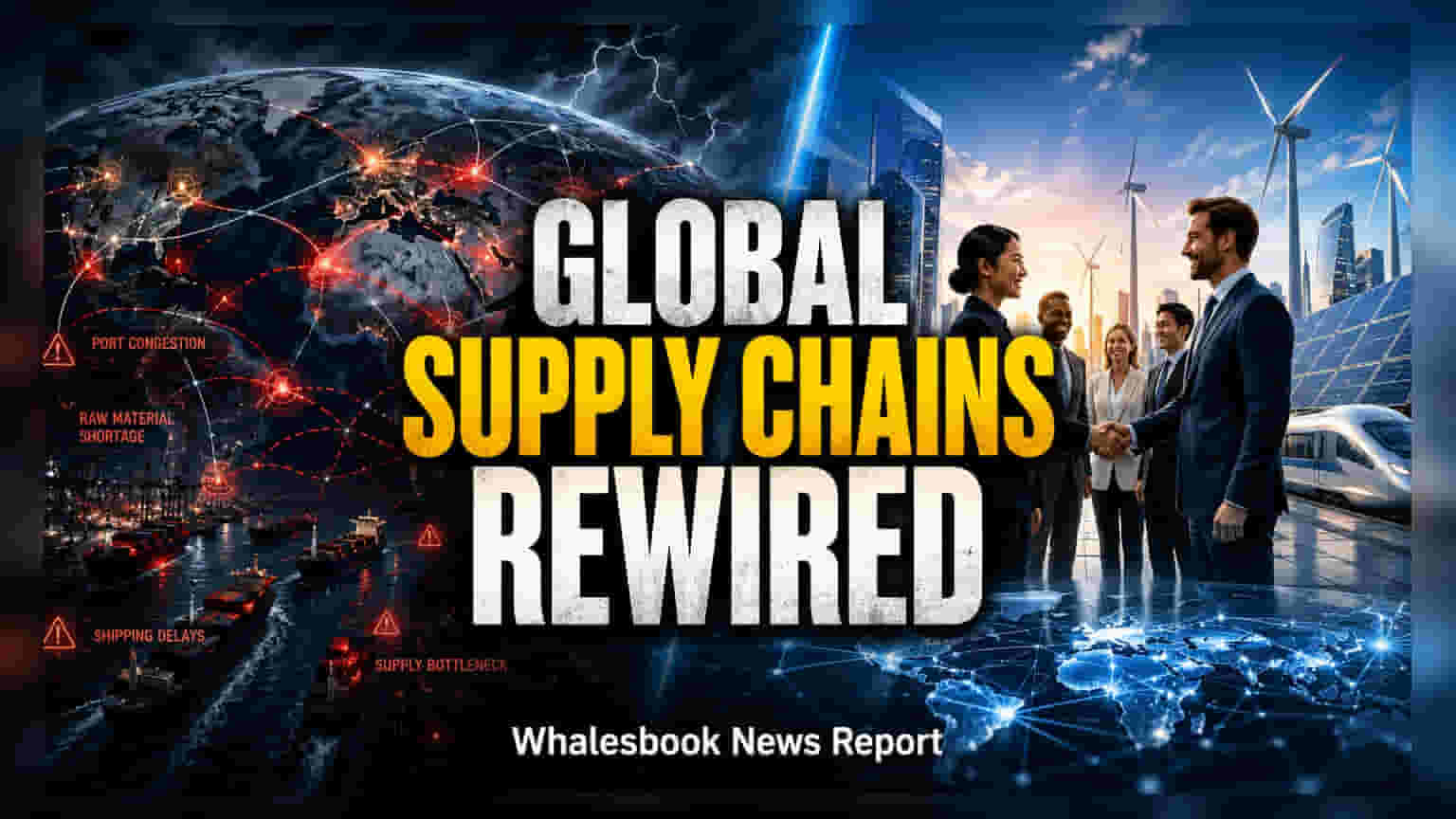
India and the EU are expanding collaboration on deep-tech, clean energy, and supply chain security to reduce global economic risks. The partnership includes India’s entry into the Horizon Europe research program and a new startup initiative for clean technology. This strategic move aims to create more predictable market environments for businesses across both regions.
India and the European Union have reinforced their commitment to economic and technological collaboration following the third meeting of the India-EU Trade and Technology Council held in Brussels. Government representatives emphasized that the primary objective is to build more resilient supply chains and move toward diverse production bases. For investors, this shift toward de-risking and supply chain diversification is significant, as it aims to reduce reliance on single markets and stabilize production costs in an unpredictable global economic environment.
Expanding Research and Innovation
A key outcome of this meeting is the formal start of negotiations for India to join Horizon Europe, a major research and innovation program supported by the European Union. This program provides funding and collaborative opportunities for academic and industrial research. By participating, Indian companies and research institutions may gain better access to European technology networks. Additionally, the launch of a bilateral startup partnership specifically focused on deep-tech clean energy highlights a push toward high-value, sustainable sectors. These moves suggest that companies involved in green technology, advanced electronics, and research-driven industries may find more supportive policy environments in the coming years.
Strategic Tech Alignment
The India-EU Trade and Technology Council, which was originally formed in April 2022, continues to serve as a platform for discussing trade, security, and the regulation of sensitive technologies. Ministers attending the summit indicated that the partnership is moving from diplomatic engagement to concrete business and technology implementation. For stakeholders in the technology and manufacturing sectors, this alignment is designed to foster a trusted business environment where the rule of law and predictable market practices are prioritized.
Economic Implications for Businesses
While this partnership is strategic at a national level, its impact on the ground will depend on how efficiently companies can integrate into these new supply chain frameworks. The focus on clean energy and deep-tech indicates a shift toward products that align with European environmental standards. Investors tracking these sectors should monitor how these policy discussions translate into actual industrial projects, trade deals, and funding opportunities for startups. The success of these initiatives will likely be determined by the speed at which both regions can simplify cross-border research, harmonize technology standards, and provide the infrastructure needed for more diversified manufacturing bases. As these discussions move forward, the consistency of regulatory frameworks and the availability of joint funding will be the key factors determining the long-term benefit for listed companies in the clean tech and advanced manufacturing space.