

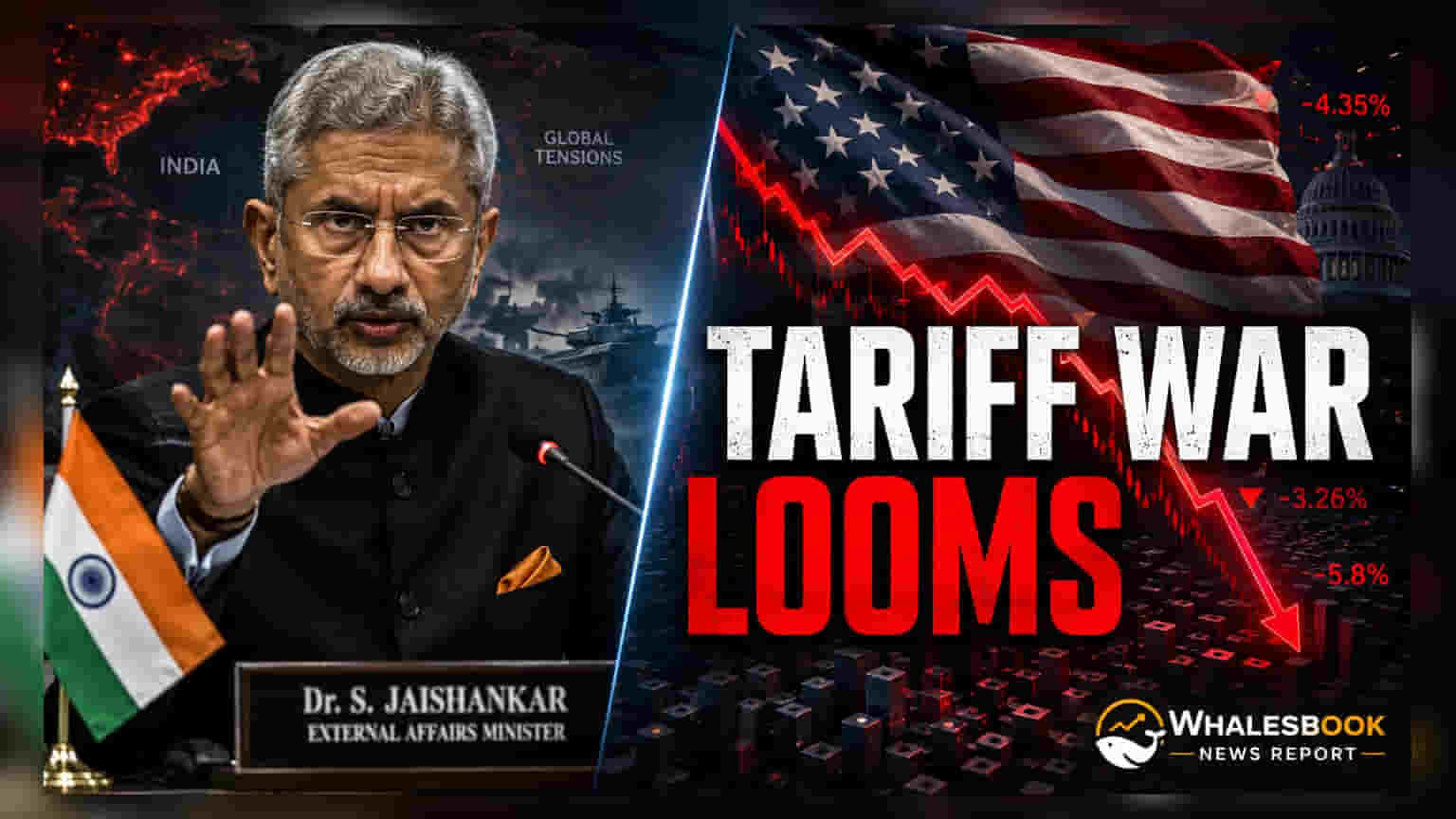
India has formally requested the United States to withdraw a proposed 12.5% tariff on its goods linked to a 'forced labour' investigation. The government argues the probe lacks specific evidence of harm to US industry or unreasonable trade practices. The matter remains in the consultation phase, and the outcome will be critical for Indian exporters across several sectors.
The Indian government has taken a firm stand against the United States regarding a proposed 12.5% additional duty on Indian imports. This dispute stems from a broader Section 301 investigation initiated by the Office of the United States Trade Representative (USTR) earlier this year, which examined labour practices across 60 global economies.
In a formal submission made on July 6, India challenged the evidentiary basis of the probe. New Delhi argued that the USTR failed to conduct a country-specific analysis of India's legal framework and did not prove that domestic policies are 'unreasonable' or cause measurable harm to American businesses. The government maintains that the absence of a specific import prohibition on goods made with forced labour does not, in itself, constitute an unfair trade practice under Section 301 criteria.
Impact on Indian Exporters
The 12.5% tariff proposal, if implemented, could create significant cost pressure for Indian exporters. A duty of this magnitude often impacts the price competitiveness of goods in the US market, potentially forcing manufacturers to either absorb the cost—leading to lower profit margins—or pass it on to consumers, which might reduce demand. While the USTR probe covers 60 nations, the proposed duty for India is notably higher than the 10% rate suggested for other partners like the European Union and Canada. This disparity has raised concerns regarding the potential disadvantage for Indian industries compared to global peers.
Regulatory and Consultation Context
The Section 301 investigation serves as a tool for the US government to address what it perceives as unfair trade practices. By initiating these probes across 60 economies, the US has signaled a shift toward stricter scrutiny of international supply chains. For Indian companies, the uncertainty surrounding these potential tariffs creates execution risk, as businesses may struggle to plan long-term pricing and export strategies while the proposal remains under consultation. Historically, trade disputes involving Section 301 investigations can lead to prolonged negotiations, occasionally resulting in revised duties or bilateral agreements to resolve specific regulatory concerns.
Next Steps for Monitoring
The USTR is currently reviewing written submissions and conducting public hearings to gather testimony from affected stakeholders. For investors and market observers, the key monitorable is the final decision from the USTR. Investors may track official statements regarding the consultation process, any potential diplomatic engagement between New Delhi and Washington, and whether the final tariff structure is modified or withdrawn. Any reduction in the proposed duty would be viewed as a positive outcome for export-heavy sectors, while a confirmed imposition could weigh on sector-specific sentiment in the near term.