 Whalesbook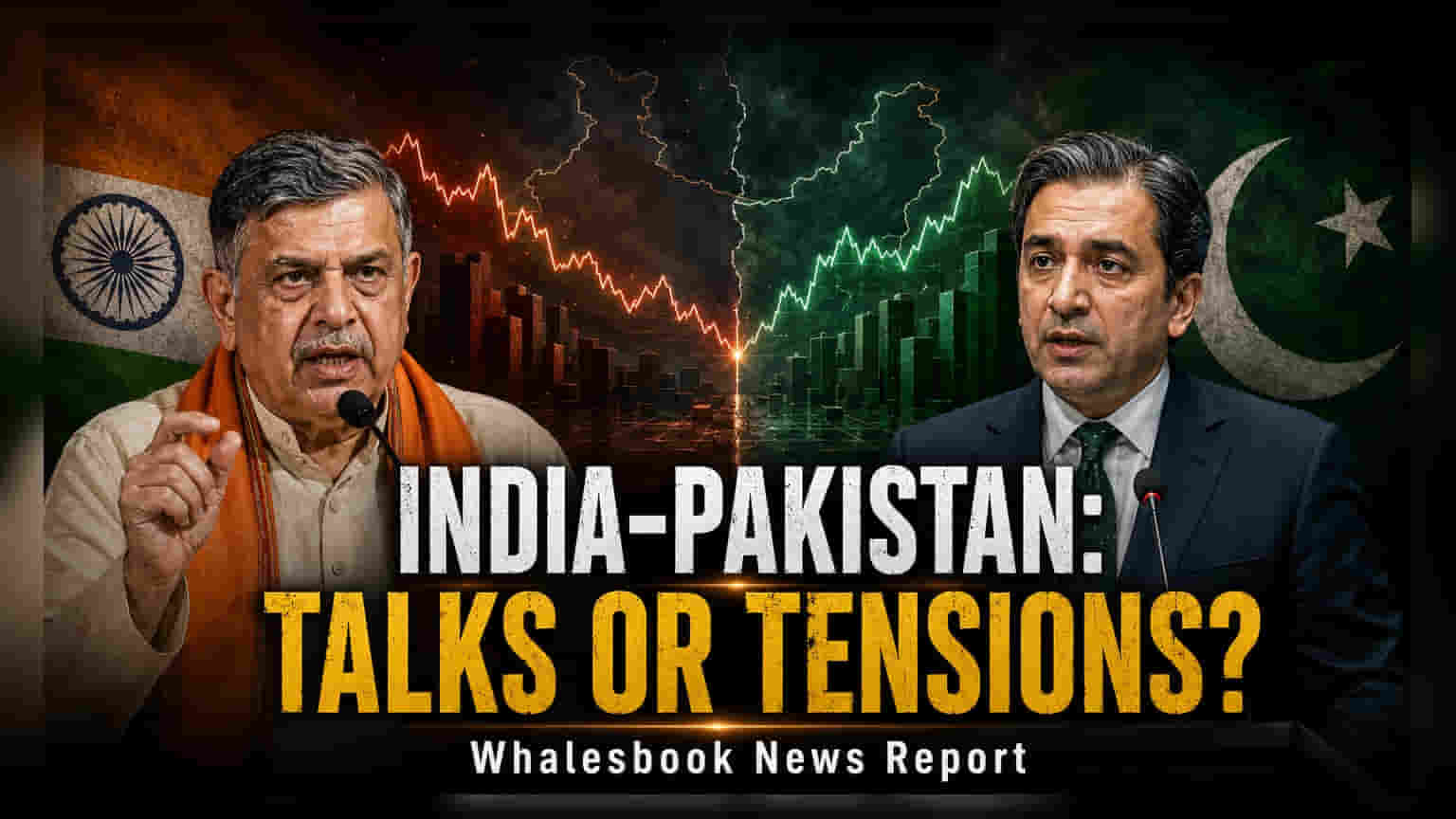


India-Pakistan Dialogue: Hope Amidst Lingering Distrust
The recent calls for dialogue between India and Pakistan, spurred by statements from figures like RSS General Secretary Dattatreya Hosabale, suggest a pragmatic recalibration of foreign policy in New Delhi. This potential thaw emerges not from a place of complete reconciliation but as a calculated response to evolving geopolitical pressures and the recognition of mutual benefit in sustained communication, even as historical animosities remain deeply entrenched.
Strategic Overtures
Dattatreya Hosabale's assertion that "We should not close the doors. We should always be ready to engage in dialogue" represents a significant departure from the Modi government's established stance that dialogue and terrorism are mutually exclusive. This surprising endorsement from a key ideological parent body has prompted both domestic political debate and cautious optimism in Islamabad. Pakistan's Foreign Ministry spokesperson, Tahir Andrabi, indicated a readiness to await an official Indian government response, highlighting the diplomatic significance of such pronouncements. The sentiment has also been echoed by former Indian Army chief General Manoj Naravane, who pointed to the benefits of improved relations for ordinary citizens. Analysts, such as Professor Irfan Nooruddin of Georgetown University, interpret these statements as a potential strategic maneuver, providing the Indian government with political flexibility to engage in dialogue without appearing to capitulate on core principles. This approach allows for a testing of the waters for diplomacy under the cover of voices from the RSS or retired military leadership.
Discreet Diplomacy and Shifting Alliances
These public statements coincide with a period of active, albeit informal, diplomatic engagement. Since the May 2025 ceasefire, mediated by the United States, various "Track 2" and "Track 1.5" dialogues have convened in neutral locations like Muscat and Doha. These meetings, involving former officials, military figures, and parliamentarians from both nations, serve as vital conduits for de-escalation and trust-building in a relationship characterized by deep-seated mistrust. The broader geopolitical context is also contributing to this potential shift. Pakistan's international standing has been bolstered by its role in facilitating US-Iran talks in April 2026. Concurrently, strained India-US relations may have reduced New Delhi's diplomatic leverage, potentially compelling a re-evaluation of its Pakistan policy.
Enduring Divides
Despite these conciliatory signals, substantial obstacles to normalization remain. Recent sharp exchanges between military chiefs underscore the persistent animosity. Indian Army chief General Upendra Dwivedi issued a pointed warning to Pakistan concerning its alleged support for terrorists, a statement Pakistan's military characterized as "hubristic." Furthermore, a recent international tribunal's ruling on the contentious Indus Waters Treaty, while welcomed by Pakistan, was outright rejected by India. This divergence highlights the fragile state of bilateral relations and the ongoing suspension of key water-sharing agreements since the 2025 conflict. The lack of a unified government stance on dialogue, with public calls from non-governmental figures contrasting with the official "terror and talks can't go together" doctrine, creates an environment ripe for political opportunism and potential miscalculation. The continued disputes over water resources and the unresolved issue of cross-border terrorism present significant structural weaknesses that undermine any meaningful progress towards stable relations.