 Whalesbook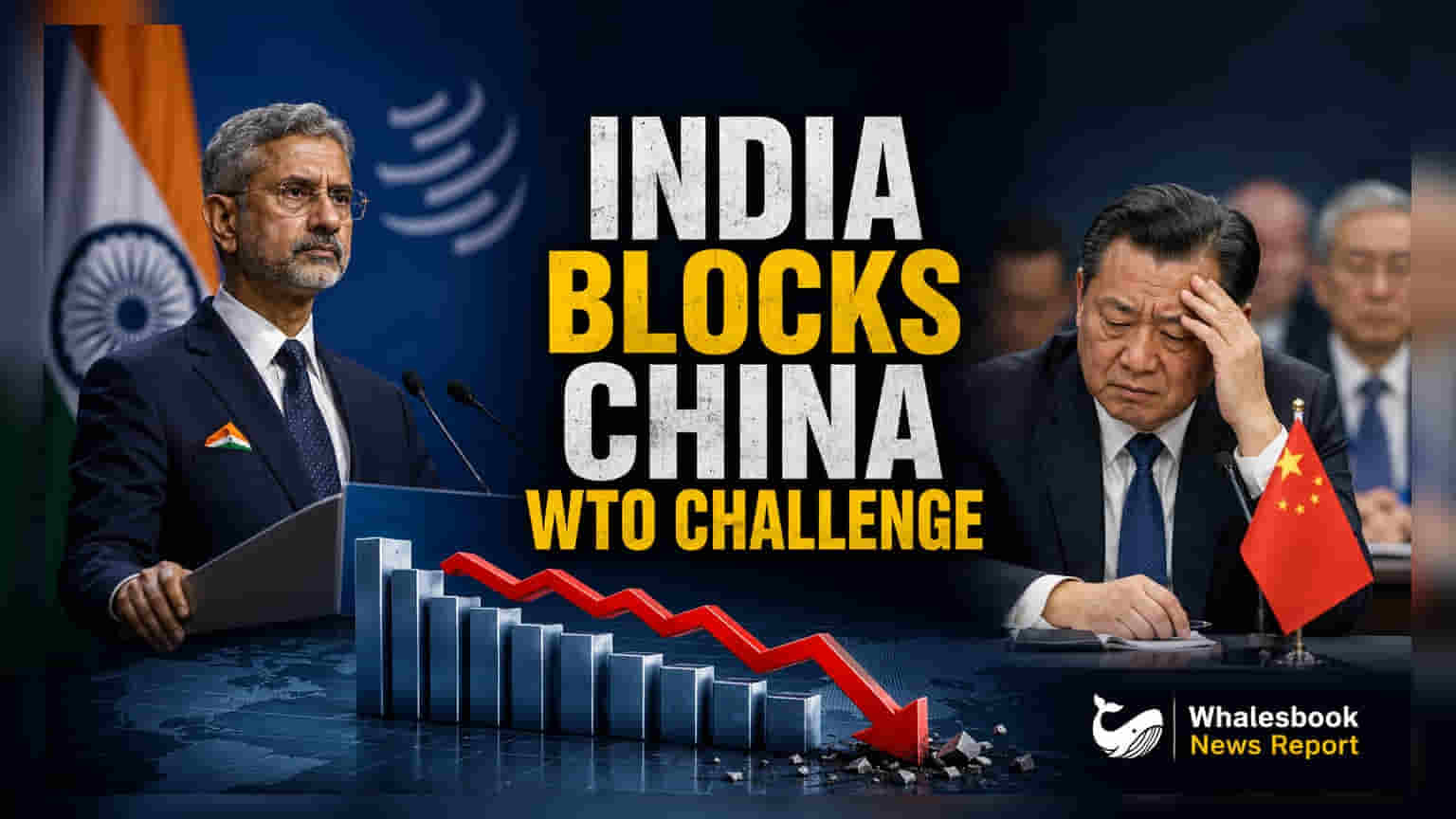


India has effectively blocked China's first attempt to initiate a dispute settlement panel at the World Trade Organization. Beijing challenged India's tariffs on specific high-tech products and its domestic solar program incentives, alleging they contravene WTO regulations.
During a WTO Dispute Settlement Body meeting, China stated that prior consultations with India did not yield a satisfactory outcome, leading to the request for a panel. India has prevented the panel's formation for now, but China can repeat the request at a subsequent meeting, where India would be unable to block it.
China argues that New Delhi's customs duties on around a dozen imported IT products, including smartphones, exceed India's commitments under WTO agreements, which purportedly mandate zero tariffs on these items. India counters that these specific products did not exist when the 1996 IT Agreement was established and are thus not covered by its zero-tariff commitments.
Furthermore, China contends that India's Solar Module Programme violates WTO regulations. This program reportedly offers cash grants to domestic producers contingent on local value addition, which China views as a discriminatory measure against foreign imports and an illegal incentive tied to domestic goods.
New Delhi expressed regret over China's request, emphasizing its participation in consultations in good faith. India conveyed surprise that Beijing had not fully considered the context of its policies and strongly affirmed that all challenged measures are in complete compliance with WTO law.
Should a panel eventually be established, it would review the arguments and issue a ruling. However, the WTO's Appellate Body is currently non-operational due to a deadlock in judicial appointments. Any appeal of a panel's decision would be added to this existing backlog, potentially leaving the dispute unresolved indefinitely. This operational impediment suggests that an unfavorable ruling for India, if appealed, would not immediately result in penalties, but could pressure New Delhi to revise its trade policies.