

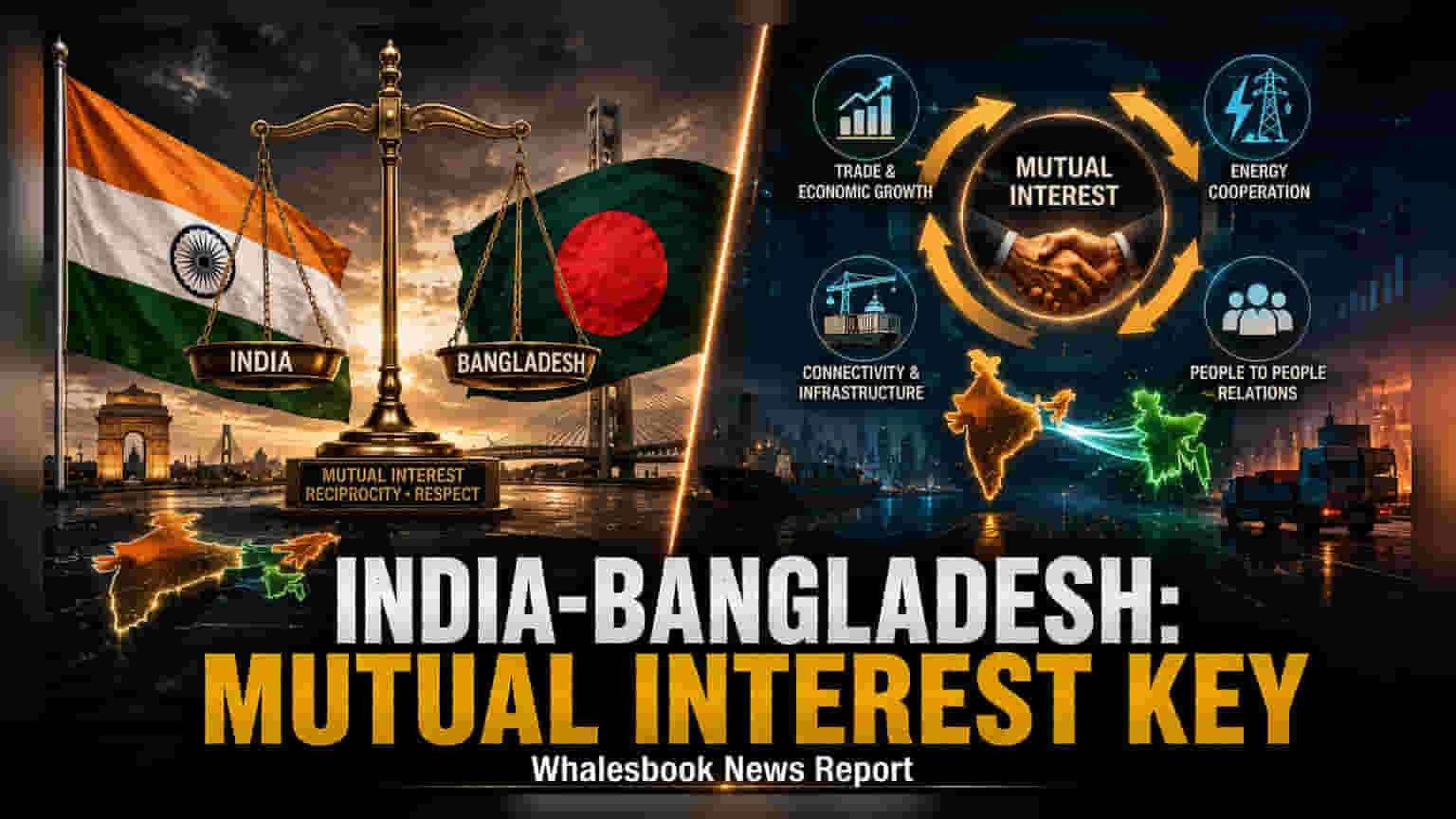
External Affairs Minister S. Jaishankar stated on August 22, 2026, that bilateral relations with Bangladesh must be built on reciprocity and mutual interest rather than unilateral demands. As diplomatic friction continues, investors may note the potential for indirect impact on regional trade and cross-border supply chains in sectors like textiles and power.
External Affairs Minister S. Jaishankar articulated a firm stance on India’s foreign policy during the Economic Times World Leaders Forum on Saturday, August 22, 2026. He emphasized that for any bilateral relationship to function effectively, it must be grounded in "mutual interest" and reciprocity. This statement arrives at a time of visible strain in diplomatic ties with Bangladesh.
Focus on Reciprocity and Stability
Addressing the state of regional partnerships, the Minister highlighted that relationships between neighboring countries cannot be one-sided. While he declined to offer a direct comment on Dhaka's specific demands regarding the extradition of former Prime Minister Sheikh Hasina, he noted that bilateral engagements must meet the test of mutual benefit. He stressed that finding common ground is essential for smooth functioning and mutual respect.
India and Bangladesh have experienced a period of diplomatic tension following political shifts in Dhaka two years ago. The situation saw further friction after a virtual media interaction by Sheikh Hasina earlier this month, which the Bangladeshi foreign ministry criticized. Reports also indicate ongoing uncertainty surrounding the potential bilateral visit of Bangladesh Prime Minister Tarique Rahman, adding to the complex environment in regional diplomacy.
Investor Context: Trade and Regional Stability
While diplomatic updates are primarily geopolitical, they hold indirect significance for investors monitoring companies with exposure to Bangladesh. Several Indian industries, particularly those in power generation, textiles, logistics, and infrastructure, maintain cross-border operations or supply chain links with Bangladesh.
Heightened diplomatic friction often creates uncertainty regarding trade flows, project execution, and regulatory environments for multinational businesses operating in the region. Investors typically monitor these diplomatic developments for clues regarding the stability of cross-border trade agreements, power supply commitments, and export demand. A move toward constructive, forward-looking relations is generally viewed by the market as a supporting factor for regional economic stability, whereas prolonged tension can introduce risks related to project delays or trade policy shifts.
Regional Security Concerns
In the same forum, the Minister also addressed the broader regional landscape, specifically referencing Pakistan. He described that country as unique in its approach to regional relations, citing the systematic use of terrorism as a primary point of friction. He emphasized that such actions significantly impact bilateral perceptions and limit the scope for normal diplomatic engagement.
For investors and market participants, the primary monitorable in this ongoing situation will be the progress of high-level diplomatic communication and the resolution of contentious issues that currently complicate bilateral ties. Future updates on trade negotiations, energy cooperation, and high-level visits will serve as key indicators of the direction of these relationships.