

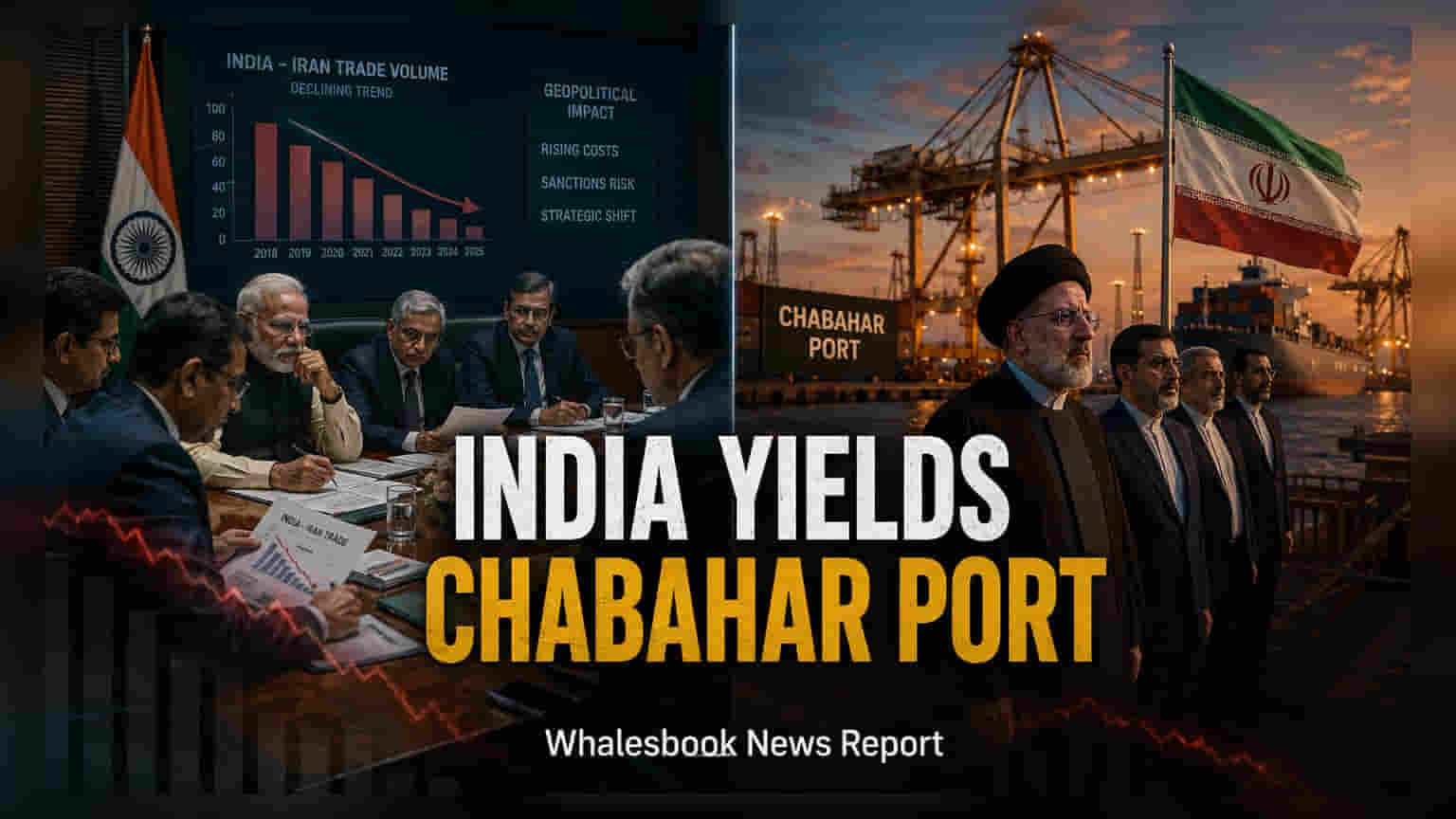
Following the expiration of a U.S. sanctions waiver on April 26, 2026, India is setting up an interim management plan for the Chabahar Port’s Shahid Beheshti terminal. This tactical move aims to keep the strategic gateway functional while protecting Indian financial institutions from potential penalties. India remains committed to the project, which is essential for trade access to Central Asia and Afghanistan.
India is working to establish an interim operational structure for the Shahid Beheshti terminal at Chabahar Port following the expiration of a crucial U.S. sanctions waiver in April 2026. Rather than fully exiting the project, the government is pursuing what officials describe as a tactical recalibration to ensure the port remains functional while insulating Indian interests from potential regulatory pressure.
The primary motivation for this adjustment is to safeguard Indian financial institutions, such as the State Bank of India and Union Bank of India, from potential penalties by the U.S. Office of Foreign Assets Control. By transitioning to an interim management arrangement, India aims to continue its association with the port without exposing its domestic banks to risks that could lead to exclusion from international financial systems like SWIFT.
Despite these complexities, India remains committed to the long-term strategic value of the project. The Chabahar Port serves as a critical gateway for India to access Afghanistan and Central Asian markets, effectively bypassing land routes through Pakistan. It also remains a cornerstone of the International North-South Transport Corridor, which connects India to Russia and Europe through Iran. To date, India has fulfilled its $120 million investment commitment to the terminal, with the final tranche of funding transferred in August 2025 through India Ports Global Limited.
While the strategic importance of the port is high, the project continues to face significant operational challenges. The facility has struggled with low ship traffic, as many global carriers remain cautious about docking at the terminal due to lingering sanctions and regional instability in West Asia. Operating the port as a cargo hub, rather than an oil terminal, requires steady trade volume, which has been difficult to sustain in the current geopolitical climate.
Moving forward, the focus for stakeholders will be on how effectively this interim management arrangement can maintain port operations without triggering sanctions risk. Investors and analysts will monitor the stability of this new operational structure and whether it successfully preserves India's access to this vital transit corridor until broader geopolitical conditions improve.