

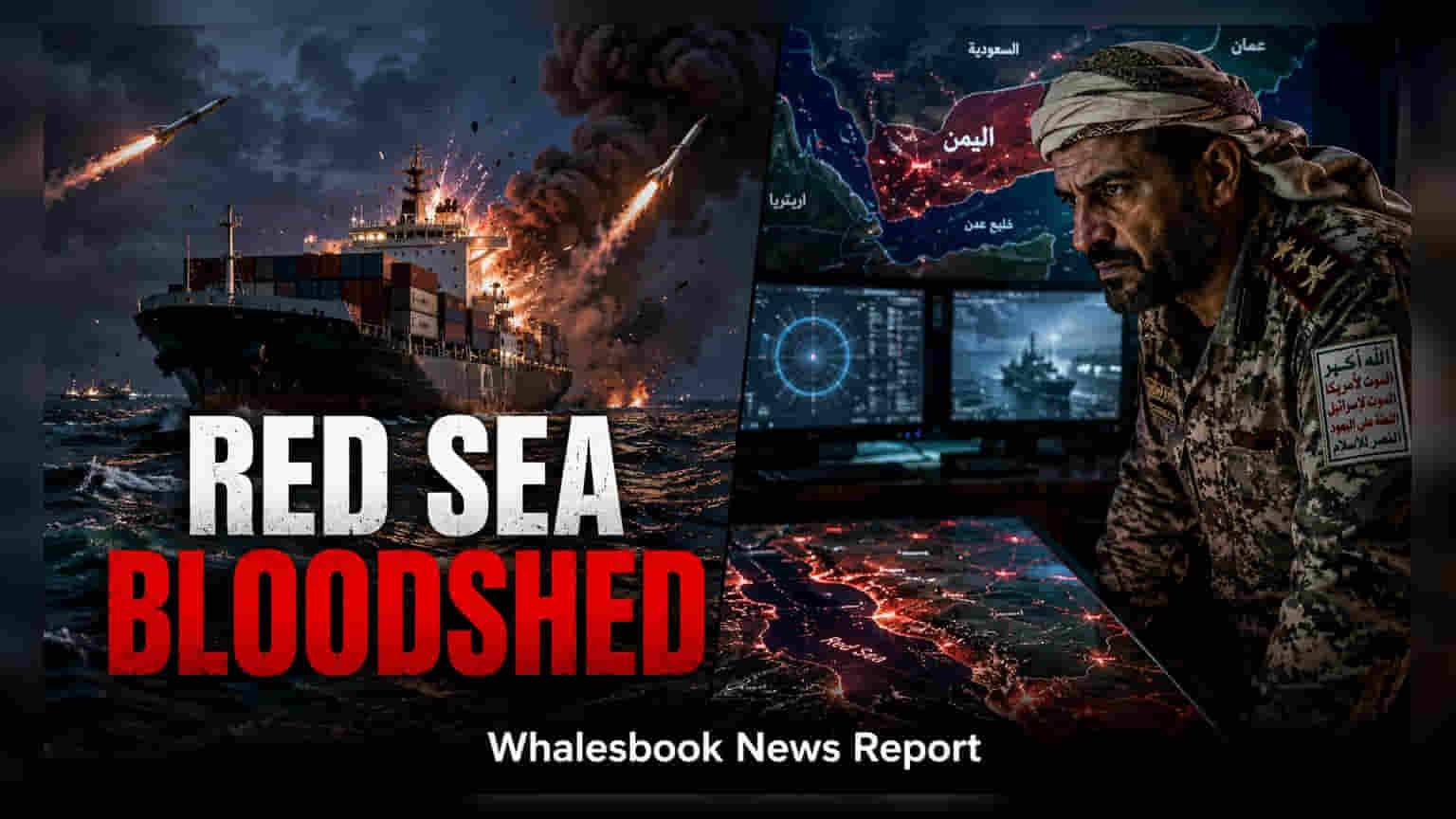
A Houthi missile attack in the Bab el-Mandeb Strait has resulted in four deaths, marking the first fatal shipping strike in the ongoing conflict. For investors, this event signals potential escalation, which could keep shipping insurance premiums and freight costs high. Companies reliant on Red Sea routes for trade may face continued supply chain disruptions and margin pressure as geopolitical risks remain elevated.
A ballistic missile attack by Houthi rebels in the Bab el-Mandeb Strait on August 11, 2026, has resulted in four confirmed fatalities, including Pakistani and Indonesian nationals. This incident marks the first fatal strike on a commercial vessel in this phase of the regional conflict. The attack occurred near Yemen’s southern tip, a chokepoint that is crucial for international maritime trade and oil shipments, intensifying fears of a prolonged disruption in one of the world's most important shipping lanes.
For investors, the immediate concern is the impact on global supply chains, which were already struggling to adjust to the effective closure of the Strait of Hormuz earlier this year. With this new escalation, shipping companies that had continued to use the Red Sea route may now face increased pressure to reroute vessels around the Cape of Good Hope. While this is not a new practice, the sustained use of longer routes significantly increases fuel consumption, transit times, and operational costs. These added expenses often lead to higher landed costs for goods, which can put pressure on profit margins for companies involved in international trade, particularly those in manufacturing, pharmaceuticals, and retail.
Maritime insurance premiums and war-risk surcharges are also expected to remain at elevated levels. Higher insurance costs are typically passed down through the supply chain, adding another layer of expense for companies already dealing with a volatile global trade environment. For Indian businesses, particularly those reliant on exports to Europe or imports from the West, the persistent instability in the Red Sea and the Bab el-Mandeb Strait creates uncertainty regarding delivery timelines and cost predictability.
Energy security remains a critical monitorable. The combination of the effective closure of the Strait of Hormuz and the volatile situation in the Red Sea keeps a risk premium on crude oil prices. Since India is a major importer of crude oil, continued disruption in these waters can influence domestic fuel prices and broader inflation, which affects the profitability of energy-intensive sectors like transport, chemicals, and cement.
Investors may continue to track developments in regional security, as any further escalation could force shipping lines to keep freight rates high. The key monitorable in the coming weeks will be whether there is a sustained shift in global shipping capacity or if the increased cost burden begins to visibly impact the quarterly earnings of companies with high exposure to international trade routes. The geopolitical situation remains fluid, and the impact on global trade costs will depend largely on the ability of international navies to maintain safe passage through these vital maritime corridors.