

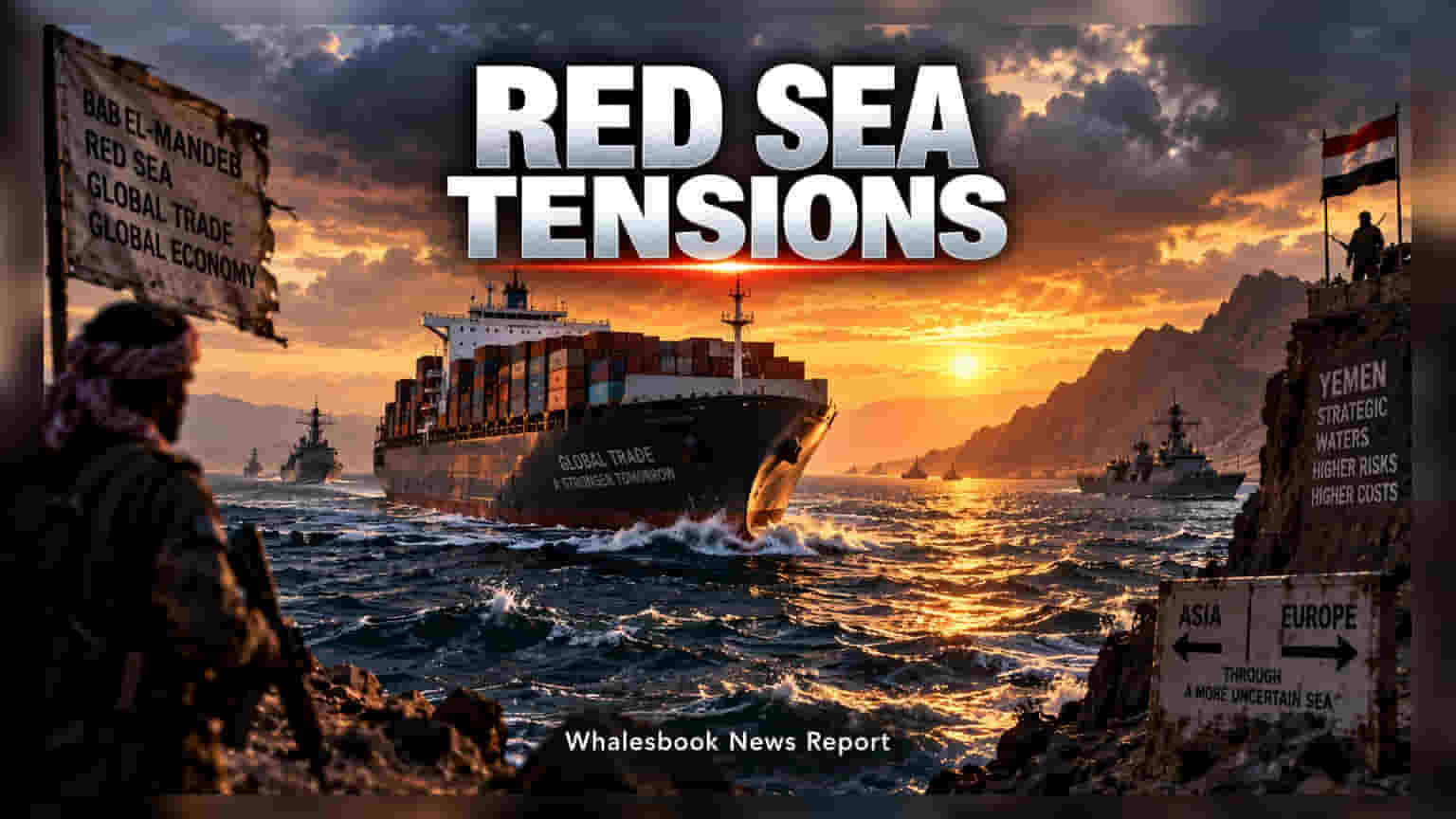
The Houthi movement has signaled that US naval vessels will not be targeted in the Red Sea. However, the region remains volatile, impacting commercial shipping insurance premiums, global freight rates, and energy logistics, which are key areas for investor attention.
The Houthi movement has reportedly signaled to the United States that US naval vessels will remain exempt from targeting in the Red Sea, a development occurring amid the group's continued military activity near the Bab el-Mandeb Strait. While this communication suggests a potential buffer against direct US-Houthi military engagement, the security of commercial shipping lanes remains a complex concern for global trade.
The Red Sea corridor is one of the world's most critical maritime arteries, accounting for approximately 12 percent of global trade. For investors, the primary concern lies not in the security of military vessels, but in the risks posed to commercial cargo ships that transit this route to connect Asian and European markets. Any disruption in this corridor historically impacts global supply chains and adds to the operational costs of logistics and manufacturing firms.
The ongoing conflict between Houthi forces and the Saudi-led coalition continues to introduce volatility into the energy and shipping sectors. Attacks on maritime infrastructure and nearby facilities often lead to sudden increases in 'War Risk' insurance premiums for commercial tankers and container ships. Rising insurance costs generally result in higher freight rates, which can pressure profit margins for shipping companies and ultimately contribute to inflationary costs for goods transported through these waters.
Investors monitoring the energy sector should track how regional tensions affect oil logistics in the Middle East. While current supply chains have adapted to periodic disruptions, any escalation targeting infrastructure in Saudi Arabia poses a risk to energy flow stability. Because of this uncertainty, the valuations of shipping and energy stocks often fluctuate based on geopolitical updates from the region.
Moving forward, the key indicator for investors will be the trend in shipping insurance premiums and global freight cost indices. Diplomatic assurances between political actors do not automatically guarantee safe passage for commercial vessels, and the unresolved nature of the conflict continues to be a factor influencing maritime operational costs and global trade efficiency.