

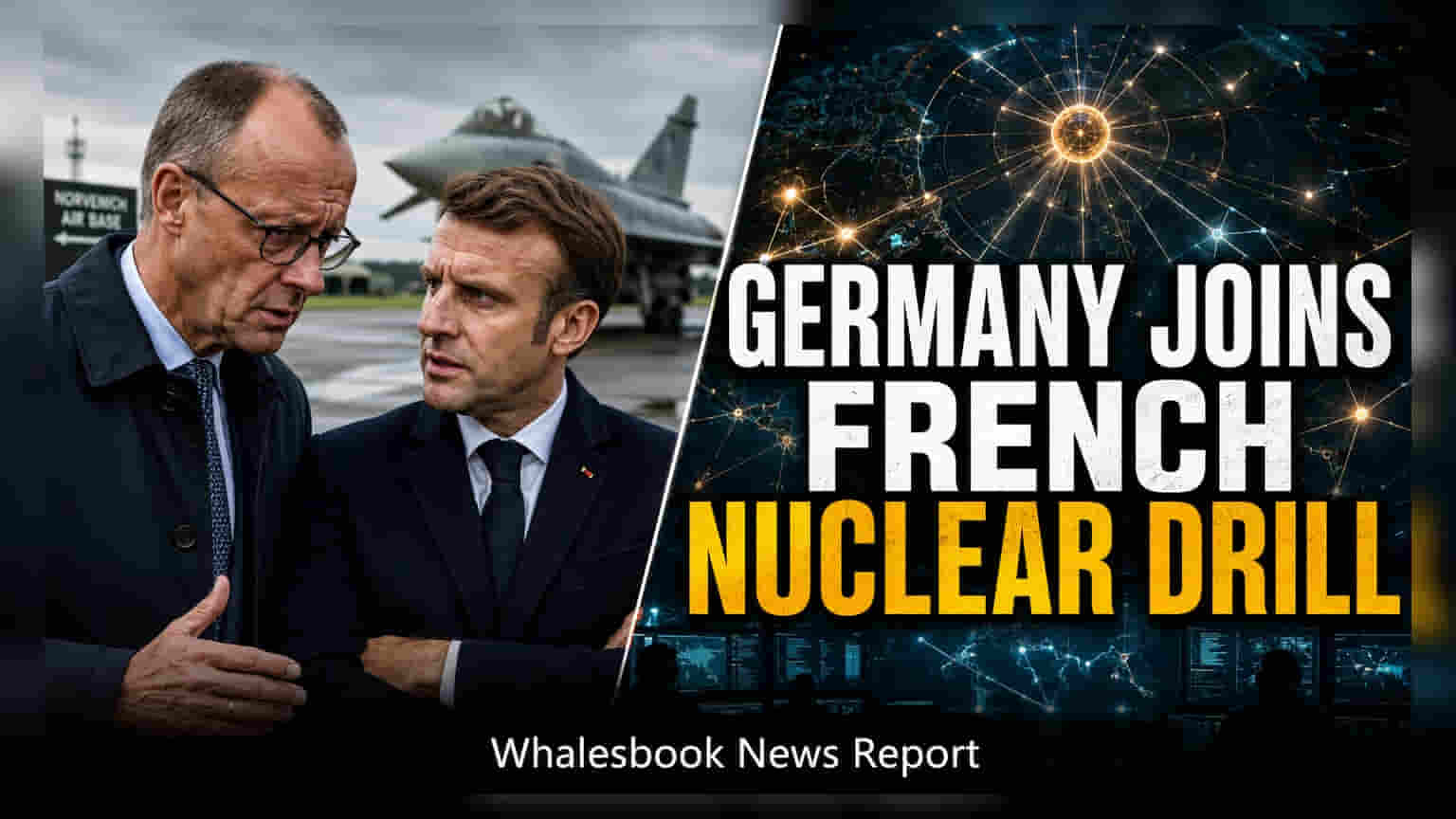
Germany has confirmed its participation in upcoming French nuclear exercises, marking a key shift in European military collaboration. This move aims to strengthen regional deterrence as both nations seek greater security independence. For investors, the development signals increased long-term capital spending in the European aerospace and defence sectors.
Germany will participate in a French-led nuclear exercise before the end of 2026, a move that signals a deeper shift in how European nations approach regional security. Chancellor Friedrich Merz confirmed that conventional German military forces will join the drills, which are intended to complement existing NATO frameworks. The initiative marks a significant step toward Europe attempting to build a more self-reliant defence infrastructure.
Impact on European Defence Strategy
French President Emmanuel Macron has positioned this collaboration as a way to create strategic uncertainty for potential adversaries. By integrating operational practices between French and German air forces, the two nations are moving beyond simple bilateral agreements into more active joint deterrence. This development follows earlier technical cooperation, including joint refuelling drills involving French Rafale jets and German Eurofighter aircraft. For the broader market, this shift is part of a multi-year trend toward higher defence budgets across the continent, particularly as Germany pursues its goal of establishing a significant conventional military presence by 2039.
Industrial Context and Strategic Shifts
The decision to deepen these ties comes at a time when both nations are looking to improve cooperation after previous challenges, such as the discontinuation of a joint fighter jet program. By aligning their military exercises, France and Germany are aiming to hedge against potential changes in the global security environment, including concerns over shifts in international security commitments. This push for integration is likely to influence how contracts are awarded for future military hardware, electronics, and aerospace technology within the European Union.
What Investors Should Track
Investors in the global defence and aerospace sectors will be monitoring how this political commitment translates into actual procurement and industrial partnerships. The key monitorable will be the level of budget allocation for joint development projects following these exercises. While these drills are primarily a strategic and diplomatic development, they set the foundation for long-term growth in European defence-related revenue streams. The next major update will likely involve formal announcements regarding joint industrial contracts or specific funding commitments linked to these collaborative military goals.