

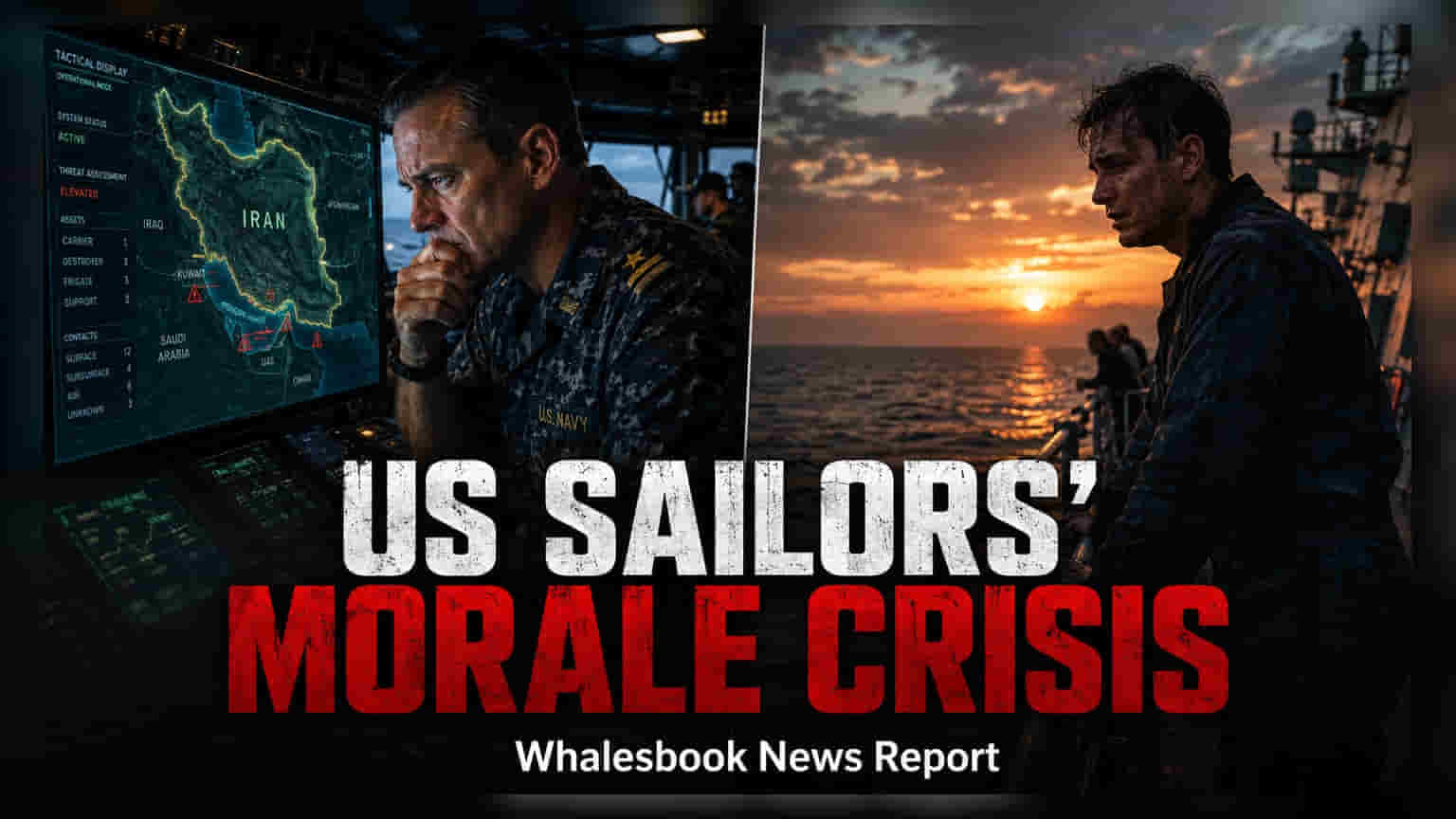
Mounting geopolitical tensions in the Middle East are causing market caution, highlighted by prolonged naval deployments near Iran. With the USS Abraham Lincoln completing over 250 days at sea, investors are monitoring regional stability, as potential escalations often drive volatility in global energy prices and impact India's import costs.
Heightened tensions in the Middle East are back in focus as reports emerge of severe personnel stress aboard the USS Abraham Lincoln, currently deployed near Iran. The carrier has reportedly been at sea for over 250 days, far exceeding typical deployment cycles. This extended presence has drawn attention not only from a humanitarian perspective regarding the crew's well-being but also as a barometer for the ongoing geopolitical strain in the region.
For Indian investors, the situation in the Persian Gulf acts as a key monitorable due to its direct correlation with global energy markets. The Strait of Hormuz remains a critical chokepoint for global oil transit. Persistent military presence and any sign of escalation between the US and Iran often trigger immediate reactions in crude oil prices, which directly affects India’s import bill, inflation metrics, and the current account deficit.
Energy volatility remains the primary transmission channel for such geopolitical risks. When tensions rise, Brent crude prices often experience spikes due to supply concerns. For Indian equity markets, higher crude prices are typically viewed as a negative for the domestic economy, impacting the profit margins of Oil Marketing Companies (OMCs) and increasing the cost of production for manufacturing and logistics-heavy sectors. Conversely, if shipping routes are disrupted, insurance premiums and freight costs can rise, impacting companies with heavy exposure to import-export trade.
The US Navy’s mention of potential relief for the crew, specifically citing the USS Theodore Roosevelt, indicates that the military posture in the region is expected to remain firm. For market participants, the focus is not just on the tactical maneuvers but on the longevity of these deployments. Prolonged military posturing often suggests that diplomatic tensions are far from resolution, maintaining a risk premium on energy assets and creating an environment of cautious sentiment in global equity markets.
Investors typically track these developments through the lens of commodity prices and currency stability. A strengthening US dollar, often viewed as a safe haven during periods of geopolitical uncertainty, can put pressure on the Indian Rupee. As the situation develops, the key indicators to watch will be any changes in crude oil futures, statements from global energy bodies regarding supply continuity, and official updates on military movements in the region. These data points provide a clearer picture of whether regional stability is improving or if the risk of volatility is likely to persist.