

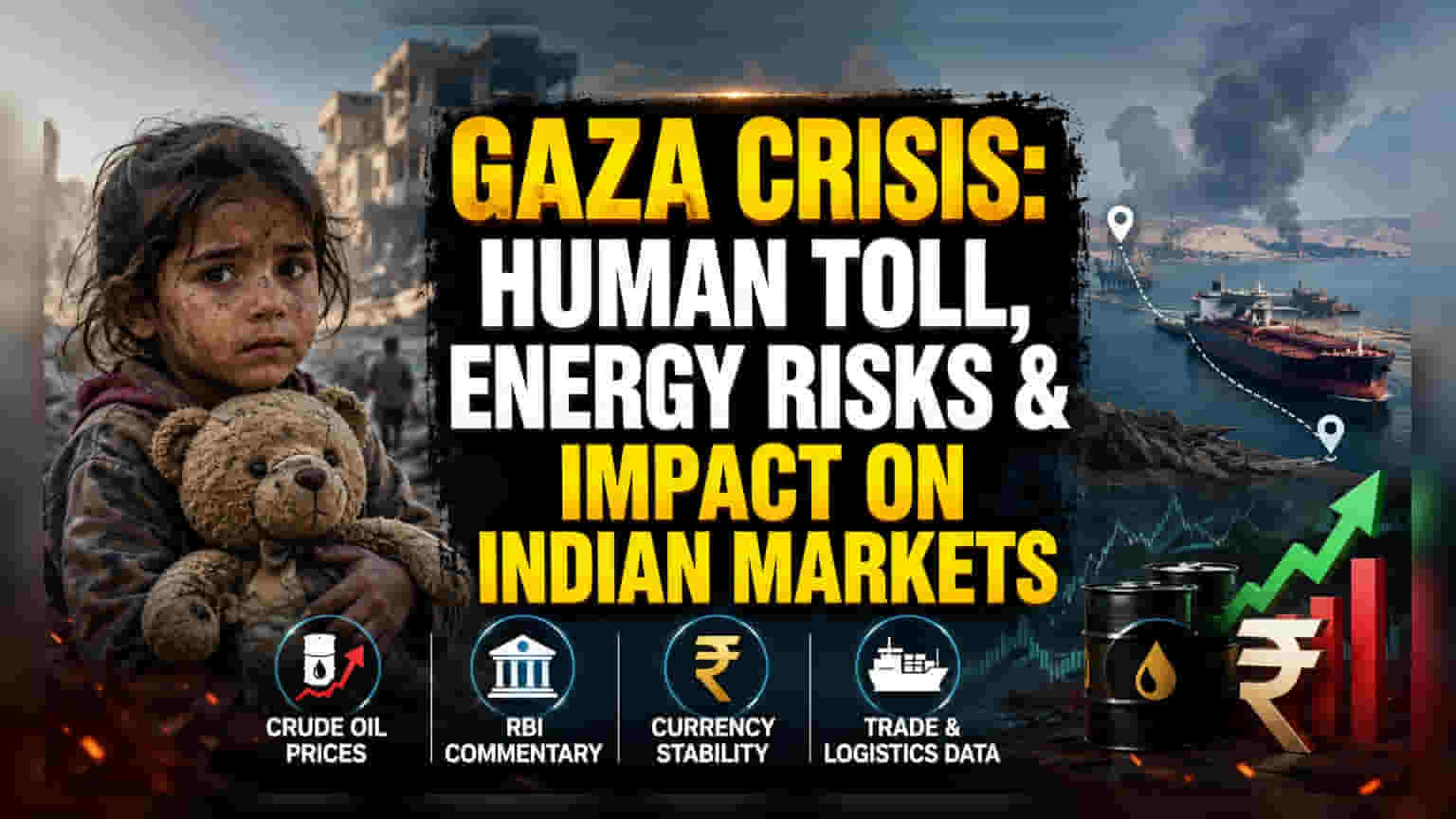
UNICEF reports ongoing child fatalities in Gaza, highlighting the humanitarian crisis. For Indian investors, the persistent conflict in the Middle East remains a key monitorable due to its direct impact on global energy supplies, oil price volatility, and inflationary risks for the domestic economy.
What Happened
The United Nations Children's Fund (UNICEF) has reported that Palestinian children continue to face fatal risks in Gaza, with the agency stating that at least one child has been killed on average every day for over eight months. UNICEF officials have described the ongoing situation as a severe humanitarian crisis, noting that the declared ceasefire has not halted the loss of life. Beyond fatalities, the report highlighted the destruction of healthcare infrastructure and the urgent need for medical evacuations, with hundreds of children sustaining serious injuries since October 2025.
Why Middle East Stability Matters for India
While this report focuses on the humanitarian toll, the prolonged conflict in the Middle East has significant implications for global trade and India's economic outlook. India is a large importer of crude oil and natural gas, and historically, a substantial portion of these energy supplies is transported through key maritime routes in the region, such as the Strait of Hormuz. When conflict intensifies in this area, global energy markets often face volatility.
For Indian investors, the region is not just a geopolitical concern but a primary driver of energy security. Persistent instability can disrupt global shipping lanes, drive up crude oil prices, and increase the cost of energy imports. As seen throughout 2026, spikes in oil prices can directly affect the country’s import bill, widen the current account deficit, and create inflationary pressure that influences domestic economic policy.
Monitoring Energy and Inflation
Recent economic reports, including the June 2026 minutes from the Reserve Bank of India’s (RBI) Monetary Policy Committee (MPC), have highlighted the potential impact of the West Asia conflict on inflation. Policymakers have noted that rising energy and commodity prices remain a concern, potentially influencing consumer prices. Investors often monitor these factors because higher fuel costs can compress corporate profit margins and increase operating expenses for logistics, manufacturing, and transport sectors.
Furthermore, the government has maintained a focus on energy security, including diversifying import sources and managing strategic reserves to mitigate supply shocks. Despite these buffers, market sentiment remains sensitive to headlines from the region, as global energy price fluctuations remain a standard risk factor for emerging markets like India.
What Investors Should Track Next
Investors may keep an eye on several key areas that link geopolitical developments to market performance:
- Crude Oil Prices: Movements in Brent crude are a primary indicator of how energy markets are pricing in geopolitical risk.
- RBI Commentary: Future policy statements often reflect how the central bank assesses inflation risks arising from external shocks like energy price hikes.
- Currency Stability: The rupee’s performance against the US dollar is often influenced by global risk appetite and rising import costs.
- Trade and Logistics Data: Updates on shipping costs and supply chain disruptions can signal potential input cost pressures for Indian companies across the manufacturing and industrial sectors.