

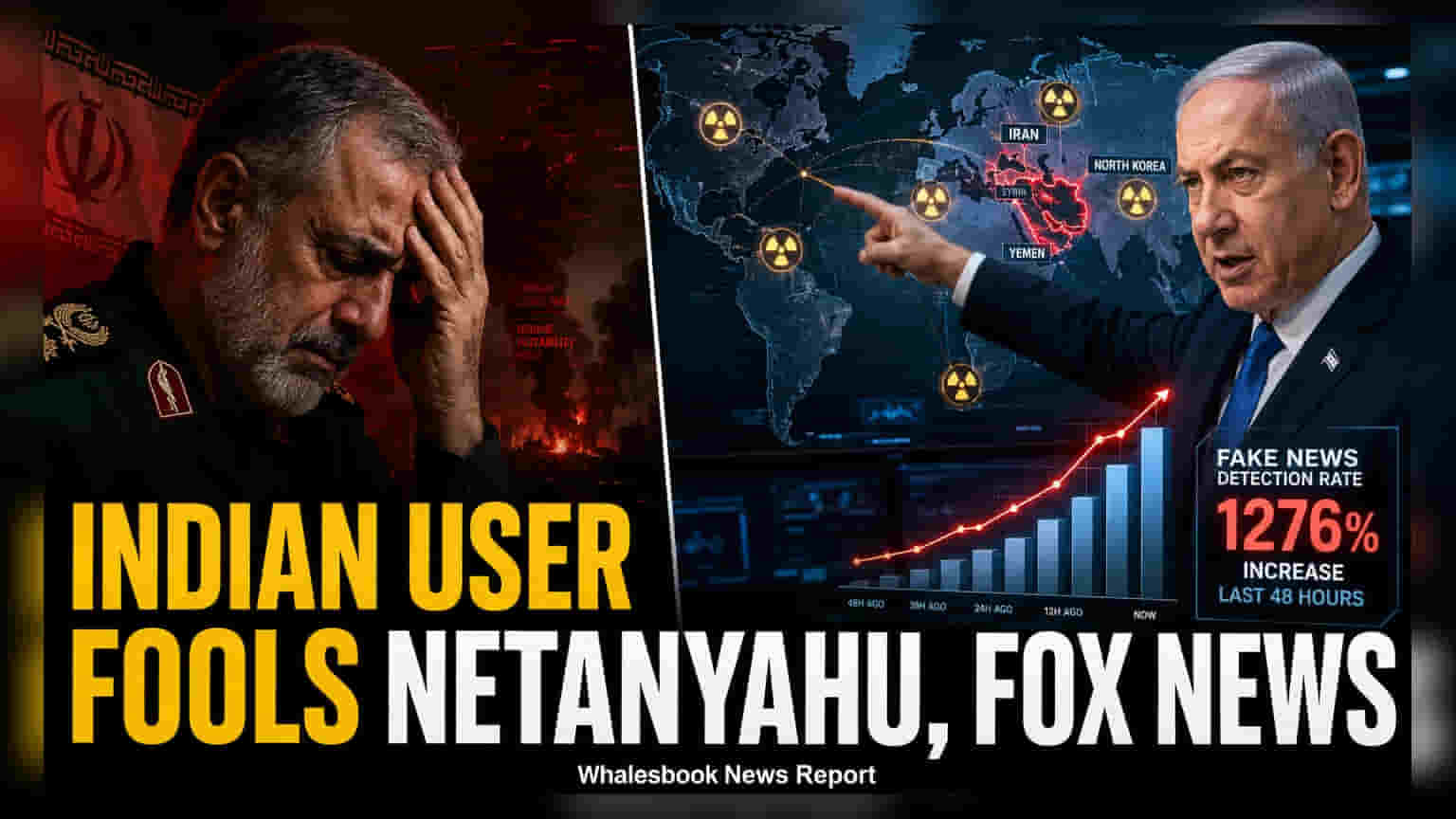
A fabricated quote about Iran's nuclear program, started by an Indian social media user, was erroneously cited by Israeli officials and Fox News. The incident highlights the risks of misinformation in global media. Meanwhile, Fox Corporation recently reported $17.13 billion in annual revenue as it moves forward with its acquisition of Roku.
A fabricated statement regarding Iran’s nuclear policy has highlighted the speed at which misinformation can travel from social media platforms to global political and media circles. The incident began when an X (formerly Twitter) account based in India posted a quote in Hindi that falsely attributed comments about nuclear weapons to an Iranian official. The quote, which contradicted official Iranian policy, was subsequently picked up and amplified by several channels, including Israeli government figures and the American broadcaster Fox News.
The Chain of Amplification
The narrative moved through a series of unchecked citations. After the initial post appeared, it was reshared by an account impersonating Israel’s intelligence agency. This was then picked up by local media in Israel, including Channel 14, and subsequently referenced by Israeli Prime Minister Benjamin Netanyahu during a state ceremony. Fox News reported the claims based on these secondary sources before later issuing a clarification. The event serves as an example of how modern news loops can bypass traditional verification processes, turning unverified social media posts into global headlines.
Business Context for Fox Corporation
For investors monitoring the media sector, this incident brings attention to the operational and reputational challenges facing major news organizations. In its most recent fiscal year 2026 results, Fox Corporation reported revenue of $17.13 billion and an adjusted EBITDA of $3.91 billion. The company is currently navigating a period of significant strategic change, having announced a definitive agreement to acquire Roku, Inc. in June 2026. This acquisition is part of a broader push to capture audience share in the digital and streaming space.
However, the media industry faces ongoing pressure to maintain high editorial standards while competing for speed in a 24-hour news cycle. Reputational risks remain a key concern for investors, as the credibility of a news brand is directly tied to its ability to verify sources. Errors in reporting, particularly regarding sensitive geopolitical events, can affect advertising revenue and long-term brand equity.
Beyond media credibility, investors are watching the company’s ability to integrate its new assets, such as the Roku platform, while managing existing profit margins. Advertising budgets across the media sector have remained sensitive to shifts in corporate spending, making reliable, high-quality content more important than ever to retain viewership and advertiser confidence. The long-term impact on the company will depend on how successfully it balances growth through new acquisitions like Roku with the maintenance of its core journalistic standards.