 Whalesbook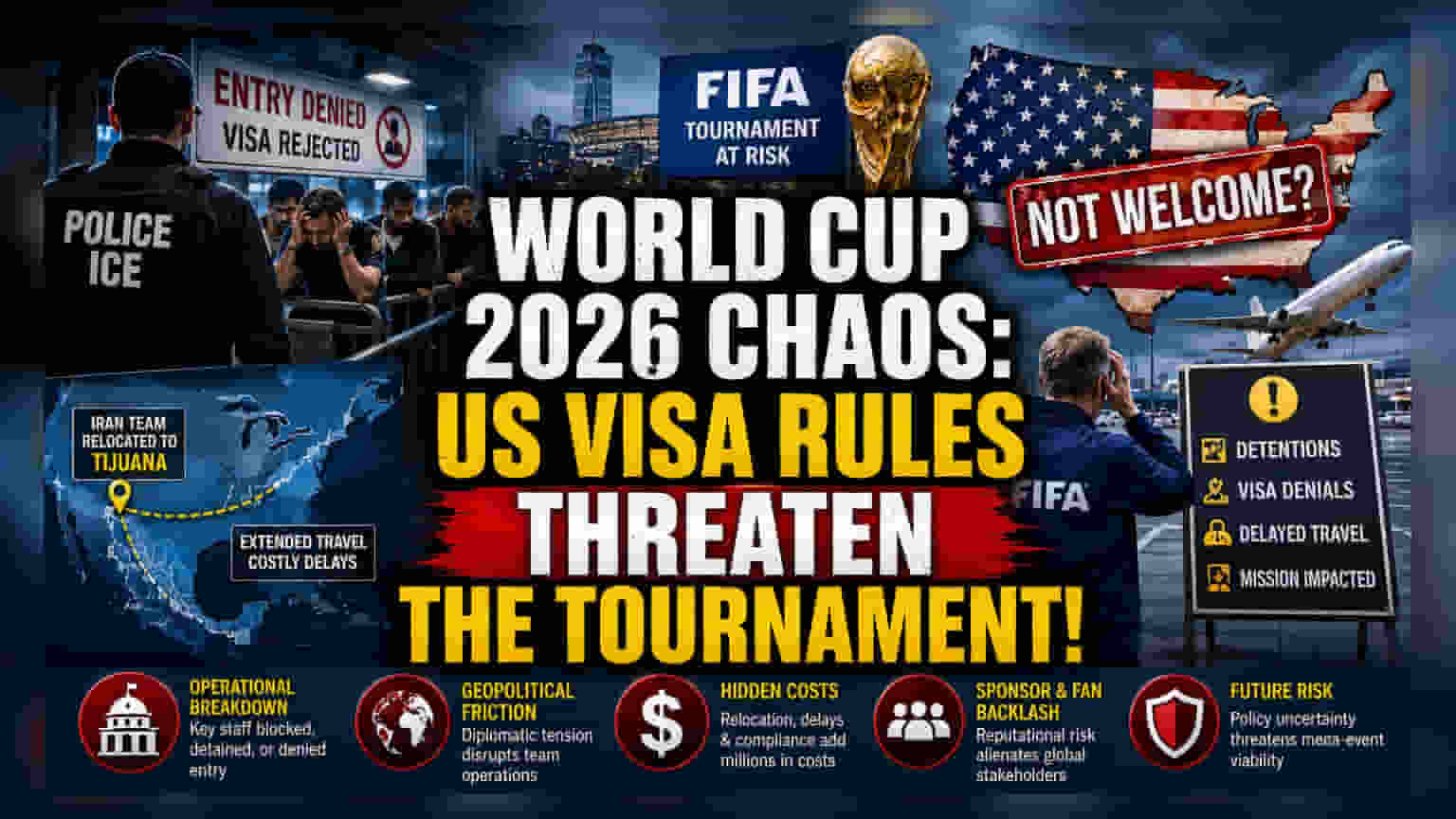


Widespread US entry denials for players and officials threaten the logistical integrity of the FIFA World Cup. While FIFA maintains a hands-off approach to immigration policy, these recurring bureaucratic failures are creating significant reputational and operational friction for the tournament's North American host strategy.
The Operational Strain of Host Nation Protocols
Beyond the headline-grabbing anecdotes of individual athletes, the consistent friction surrounding US entry requirements for FIFA personnel signals a mounting operational challenge. The tournament, which relies on a precise, global movement of talent, is currently hampered by an immigration system that remains fundamentally incompatible with the demands of a multi-nation sporting event. When key personnel are detained or barred, it is not merely a diplomatic issue; it is a breakdown of the tournament's supply chain that threatens the professional standard of the competition itself.
The Geopolitical Friction Point
While FIFA leadership has publicly distanced the organization from sovereign visa decisions, the reality of hosting in a country with heightened immigration enforcement creates an uneven playing field. The forced relocation of the Iranian team's base camp to Tijuana represents an expensive, logistical workaround that underscores the volatility of relying on current US policy for international event management. Analysts observing this trend point to a broader concern: the potential for mass logistical failures if these visa bottlenecks persist as the tournament moves into its critical elimination phases, where personnel replacement and rapid movement are essential.
The Hidden Costs of Regulatory Rigidity
From a risk perspective, the current environment presents a unique liability for commercial partners and tournament organizers. The unpredictability of entry, demonstrated by the detention of high-profile athletes and the sudden revocation of travel documents for fans, risks alienating international sponsors and stakeholders who prioritize seamless participant access. Unlike previous host nations that negotiated comprehensive visa waivers for all tournament-affiliated individuals, the US approach has prioritized security protocols over the fluidity required by professional sports leagues. This strategy introduces a 'compliance premium' on operations, as teams must now build costly contingency buffers into their travel plans to account for potential detention or administrative rejection.
Future Outlook and Strategic Liability
Market watchers expect the current administrative instability to continue unless there is a material shift in policy oversight for event-specific travel. For stakeholders, the primary concern is the potential for further high-profile incidents that could damage the host nation's brand and diminish the projected economic yields of the event. While the current focus remains on the logistical impact, the underlying tension between strict national border policy and the open requirements of global commerce creates an enduring risk for all large-scale international gatherings hosted within the country.