

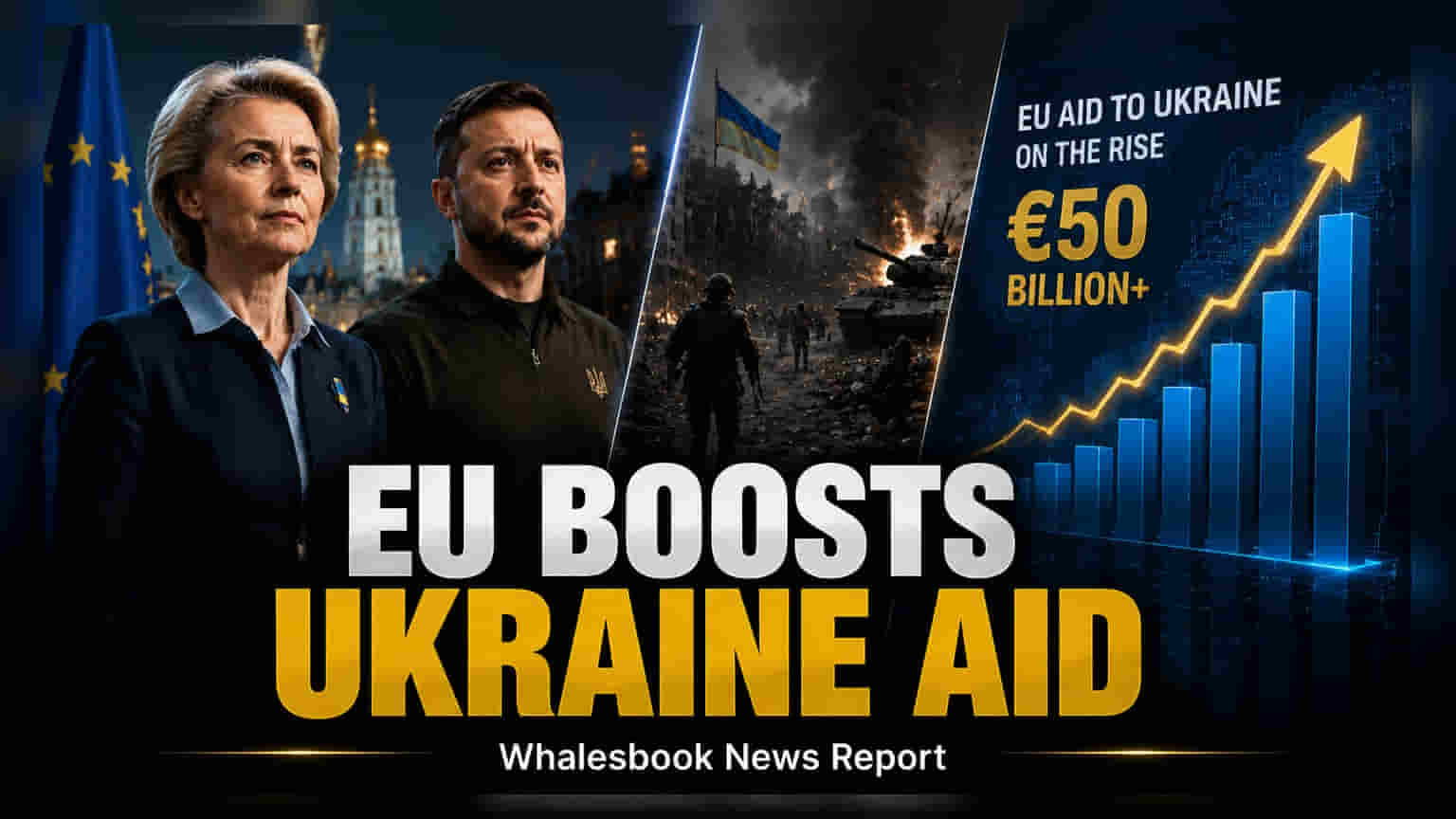
European Commission President Ursula von der Leyen pledged new initiatives to integrate European and Ukrainian defence industries during her visit to Kyiv. The move aims to bolster Ukraine's air defences ahead of winter, a critical period for energy infrastructure. For investors, the ongoing conflict continues to influence global energy prices and supply chain stability across Eastern Europe.
European Commission President Ursula von der Leyen arrived in Kyiv for her eleventh visit, marking Ukraine's Statehood Day with a pledge of continued military and financial support. The core of the new commitment focuses on integrating European and Ukrainian defence manufacturing capabilities. This move is designed to create a more resilient supply chain for military equipment, specifically focusing on strengthening air defence systems to protect vital energy infrastructure as winter approaches.
Energy and Security Implications
The commitment to hardening infrastructure comes after repeated strikes on Ukraine's energy grid in previous winter seasons. For global markets, the persistence of the conflict maintains pressure on energy commodities. Investors often monitor these developments due to the potential for sudden spikes in oil and natural gas prices, which can impact inflation and operating costs for energy-intensive sectors in Europe and emerging markets like India. The conflict also keeps maritime logistics in the Black Sea region under high scrutiny, affecting trade routes and commodity shipments.
Geopolitical and Economic Context
The visit also highlighted complex regional dynamics, with leaders from across southeastern Europe gathering to discuss security. Notably, the presence of Serbian leadership, a country that maintains significant energy ties with Russia despite Western sanctions, underscores the difficulty of implementing unified economic pressure. While the European Union continues to explore new defence initiatives, the United States is concurrently discussing potential legislative measures, such as tariffs on nations that continue to facilitate the trade of Russian energy resources. These potential policy shifts could create further volatility in global commodity pricing.
Operational Risks and Market Impact
The conflict remains characterized by high-intensity drone and missile operations. The Russian Defence Ministry recently reported intercepting large numbers of unmanned aerial vehicles, while Ukrainian officials reported ongoing civilian and infrastructure losses. This continuous escalation suggests that supply chain disruptions and geopolitical premiums on fuel and raw materials will likely persist in the near term. Investors may continue to monitor energy commodity price trends, international trade policy developments, and any shifts in the severity of sanctions, as these factors directly influence the operational environment for companies with exposure to the European and Black Sea economic zones.