

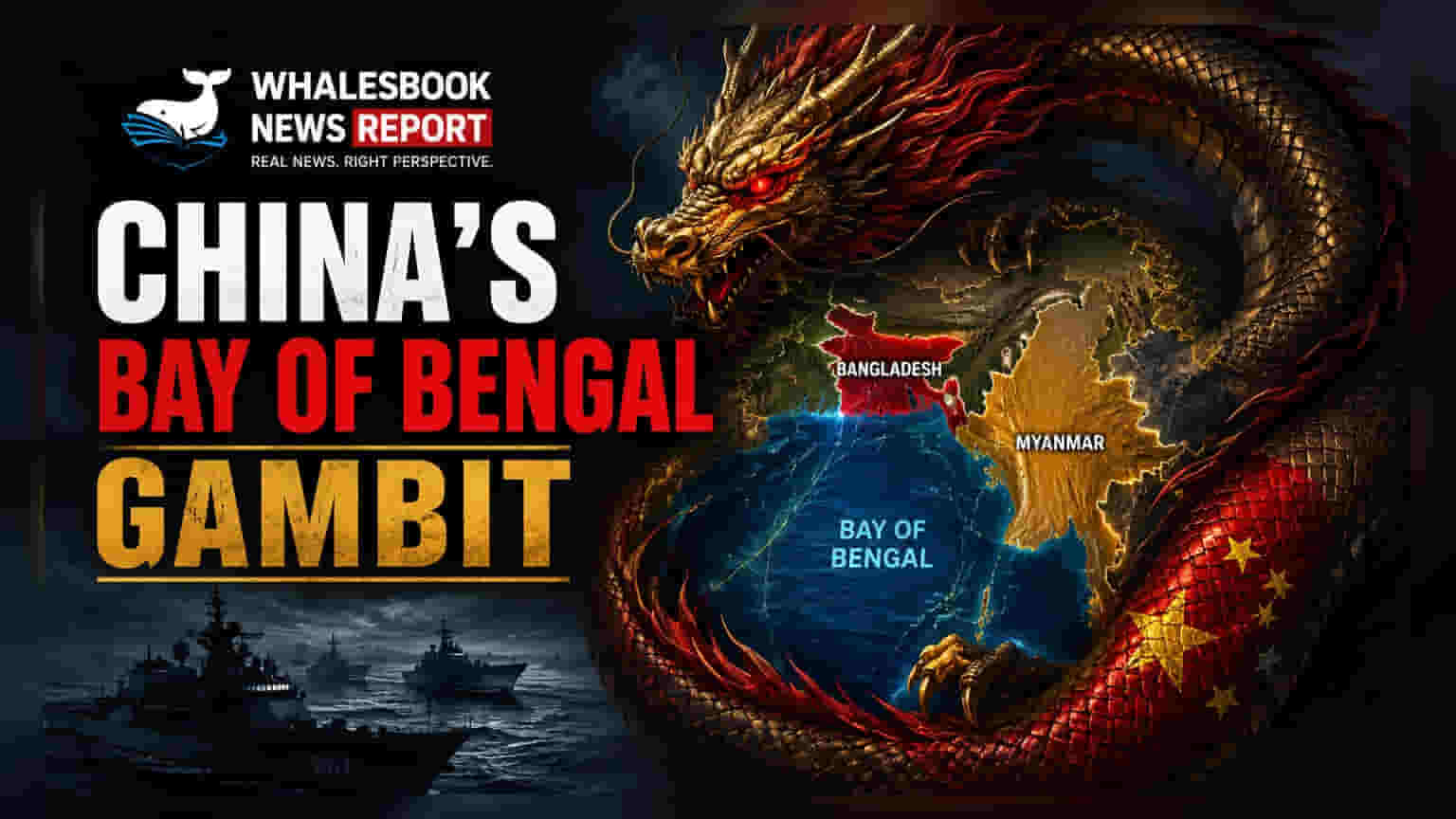
China is accelerating the China-Bangladesh-Myanmar Economic Corridor, raising questions about strategic influence in the Bay of Bengal. This infrastructure push may challenge India's regional presence and poses potential debt risks for neighboring nations. Investors and policymakers are tracking how these geopolitical shifts influence regional trade dynamics and India's security interests.
China is intensifying its development efforts for the China-Bangladesh-Myanmar Economic Corridor, a strategic initiative aimed at creating logistical pathways through the Bay of Bengal. While presented as infrastructure development, analysts point out that the planned investment scale appears large relative to the existing trade volumes between China, Bangladesh, and Myanmar. This move is widely viewed by observers as a strategic effort to establish alternative routes to the Indian Ocean, potentially reducing reliance on the Malacca Straits for energy and commercial shipping.
Strategic and Security Implications
The initiative has significant implications for regional security and India's diplomatic position. Recent diplomatic exchanges have signaled a warming relationship between Beijing and Dhaka, with China offering financial and political support. For India, the development of ports and infrastructure projects in its immediate neighborhood, particularly those involving Chinese firms, is closely monitored. Experts often connect these maneuvers to the 'string of pearls' concept, which suggests a broader Chinese strategy to secure naval and commercial access points across the Indian Ocean region.
Debt Sustainability and Financial Risks
A central concern for investors and international observers is the impact of China's Belt and Road Initiative on the financial health of participating nations. Historical examples, such as the experiences in Sri Lanka, have highlighted the risks of high debt levels associated with infrastructure projects financed by Chinese state-linked firms. Bangladesh and Myanmar face similar challenges, where the pressure of loan repayment and control over critical assets could limit their future policy flexibility. If projects fail to generate expected economic returns, these nations may experience long-term fiscal strain, affecting their overall creditworthiness and stability.
Impact on Regional Cooperation
The shifting focus of Bangladesh toward Chinese assistance, particularly for sensitive infrastructure like the Teesta River project, introduces complexity to regional water-sharing and border security discussions with India. Simultaneously, Myanmar’s move to revive the Myitsone dam project—after years of cancellation—reflects the deepening influence Beijing holds over the current administration due to economic and security dependencies.
India has responded by emphasizing its own role as a reliable development partner, focusing on timely project execution and existing cultural and economic ties. New Delhi's Ministry of External Affairs continues to assess these regional developments in the context of its strategic interests. The situation remains a key factor for market participants tracking geopolitical risk in South Asia, as future stability in the region will depend on how these nations balance their economic needs against the strategic implications of Chinese investment.