

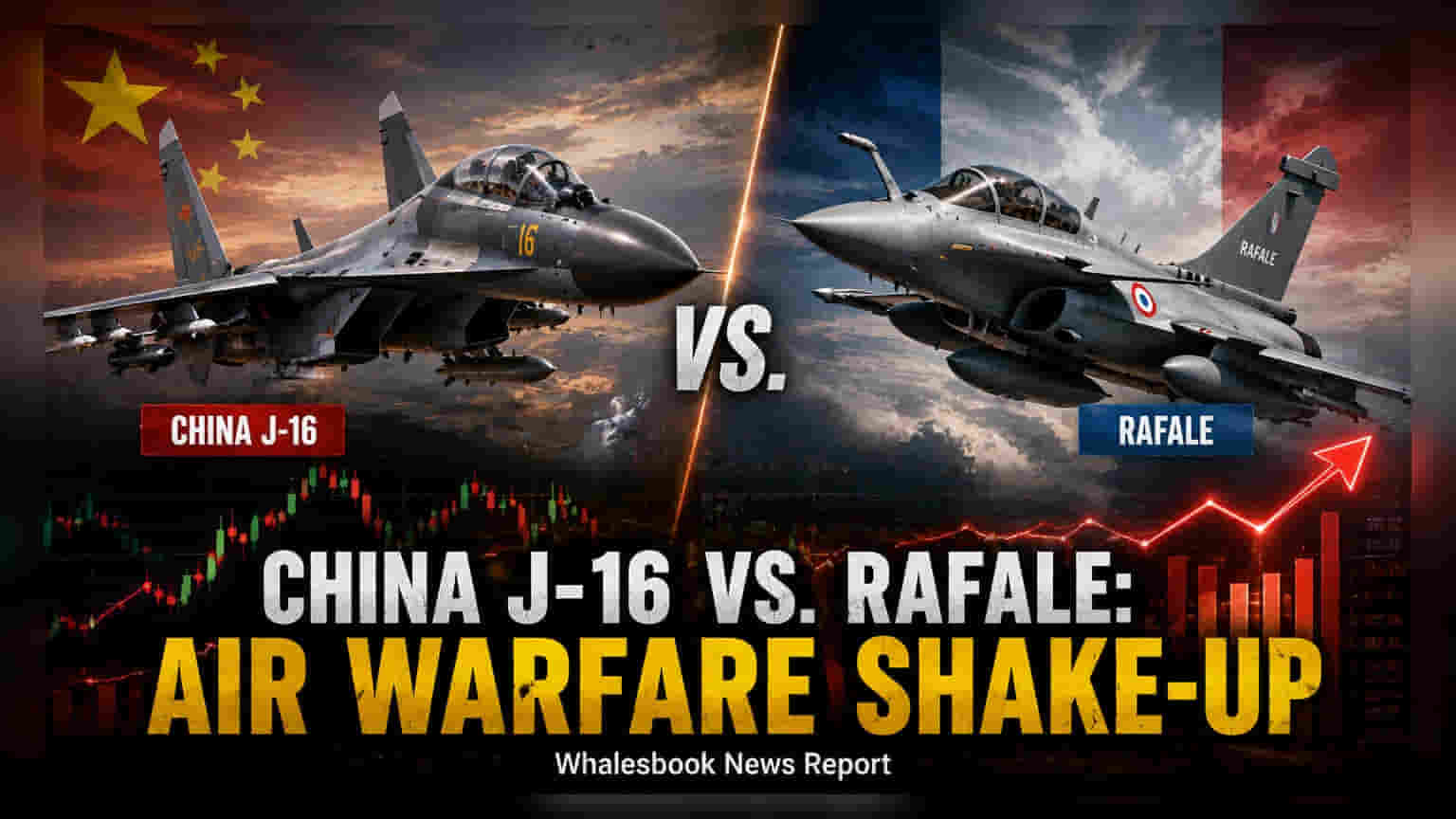
Chinese J-16 jets and Egyptian Rafale fighters are currently engaged in combat simulations during the 'Eagles of Civilisation 2026' exercise. This rare aerial face-off between the two 4.5-generation aircraft is being monitored by Indian strategic observers, given the Rafale's critical role in the Indian Air Force and evolving regional defense procurement trends.
The 'Eagles of Civilisation 2026' joint air exercise, which began in Egypt on August 22, 2026, has drawn significant attention from defense analysts and observers. The drills feature direct combat simulations between Chinese J-16 fighter jets and French-made Rafale aircraft. This deployment marks the first time the J-16 has been used in direct air-to-air drills with the Rafale, providing a unique look at how these two 4.5-generation platforms perform against each other in a controlled training environment.
Strategic and Defense Sector Context
For Indian market observers and strategic planners, this exercise carries weight beyond standard military training. The Rafale, manufactured by France’s Dassault Aviation, is a pillar of the Indian Air Force’s modernization strategy. Because the Indian military operates the Rafale, any public demonstration or comparative performance data involving the platform is closely followed by defense analysts and government bodies. The event in Egypt allows for a rare, documented observation of the Chinese-made J-16’s capabilities, which is particularly relevant given reported interest from neighboring countries in acquiring Chinese aerial platforms.
Evolving Regional Defense Dynamics
This exercise highlights the growing trend of Chinese military engagement with nations that historically utilize Western or diverse defense equipment. In the past, regional aerial confrontations have influenced defense procurement debates in South Asia. As countries evaluate their future defense needs, the performance and interoperability demonstrated during such multinational exercises can influence strategic perceptions and procurement decisions.
Monitoring Future Developments
While the current event is a training exercise, the broader implications for the defense sector remain a key monitorable. Investors in the aerospace and defense sector often track large-scale procurement trends, geopolitical shifts, and the competitive standing of major military platforms. For the Indian defense ecosystem, the focus will remain on how these developments impact regional security assessments and future defense budget allocations. The next important updates will likely center on any official performance assessments released by the participating air forces and how these drills influence regional defense procurement conversations in the coming months.