

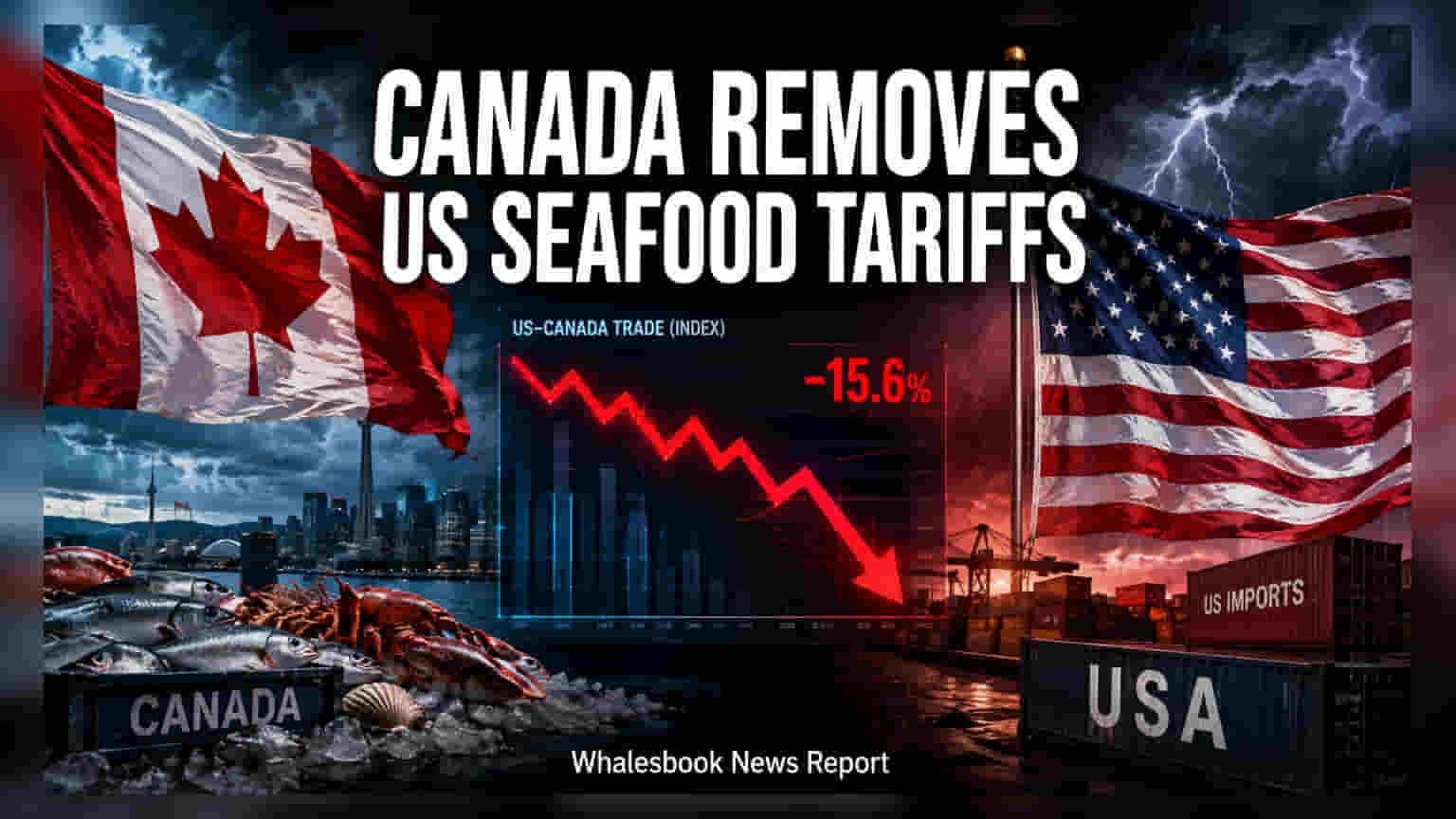
The Canadian government has removed fish and seafood from its list of retaliatory tariffs against the United States. Despite this, Canada is still set to impose duties on $20 billion worth of American goods starting September 8, 2026, as trade friction between the two nations continues to escalate.
The Canadian government announced a change to its retaliatory trade plan on Wednesday, opting to remove fish and seafood products from the list of US goods facing new import duties. This decision aims to protect domestic businesses from unnecessary economic strain while the country prepares to implement a wider package of counter-tariffs.
Trade Friction Continues
While the exclusion of seafood is a specific adjustment, the broader trade conflict between Canada and the United States remains active. Canada is proceeding with its plan to impose tariffs of 15%, 25%, and 50% on approximately 700 categories of American imports. These measures are set to take effect on September 8, 2026, following the collapse of bilateral trade negotiations and the US decision to place 50% duties on Canadian steel, aluminum, and other goods.
Economic Support for Businesses
To help domestic companies manage the impact of these trade measures, the Canadian government has introduced a C$7.5 billion support package. The Business Development Bank of Canada is tasked with overseeing this relief, which includes interest-free loans ranging from C$2.5 million to C$5 million. Repayment for these loans has been deferred for 36 months, providing a window of relief for companies facing potential supply chain disruptions.
Impact on Global Trade and Investors
For investors, trade tensions between major economies often create uncertainty in global supply chains. When significant trade barriers are established, they can lead to price volatility in commodities such as steel and aluminum, which are often at the center of such disputes. Indian investors may track these developments as they can influence global market sentiment and raw material costs.
If the trade friction continues to escalate, it may affect companies with significant exposure to North American markets or those that rely on cross-border manufacturing. The primary risk for businesses in this environment is the increased cost of imports and the potential for reduced demand due to higher prices.
The next critical update for the market will be the enforcement of the broader tariff package on September 8. Investors will likely watch for any further signals regarding potential trade negotiations or additional retaliatory measures that could impact the North American economic outlook.