

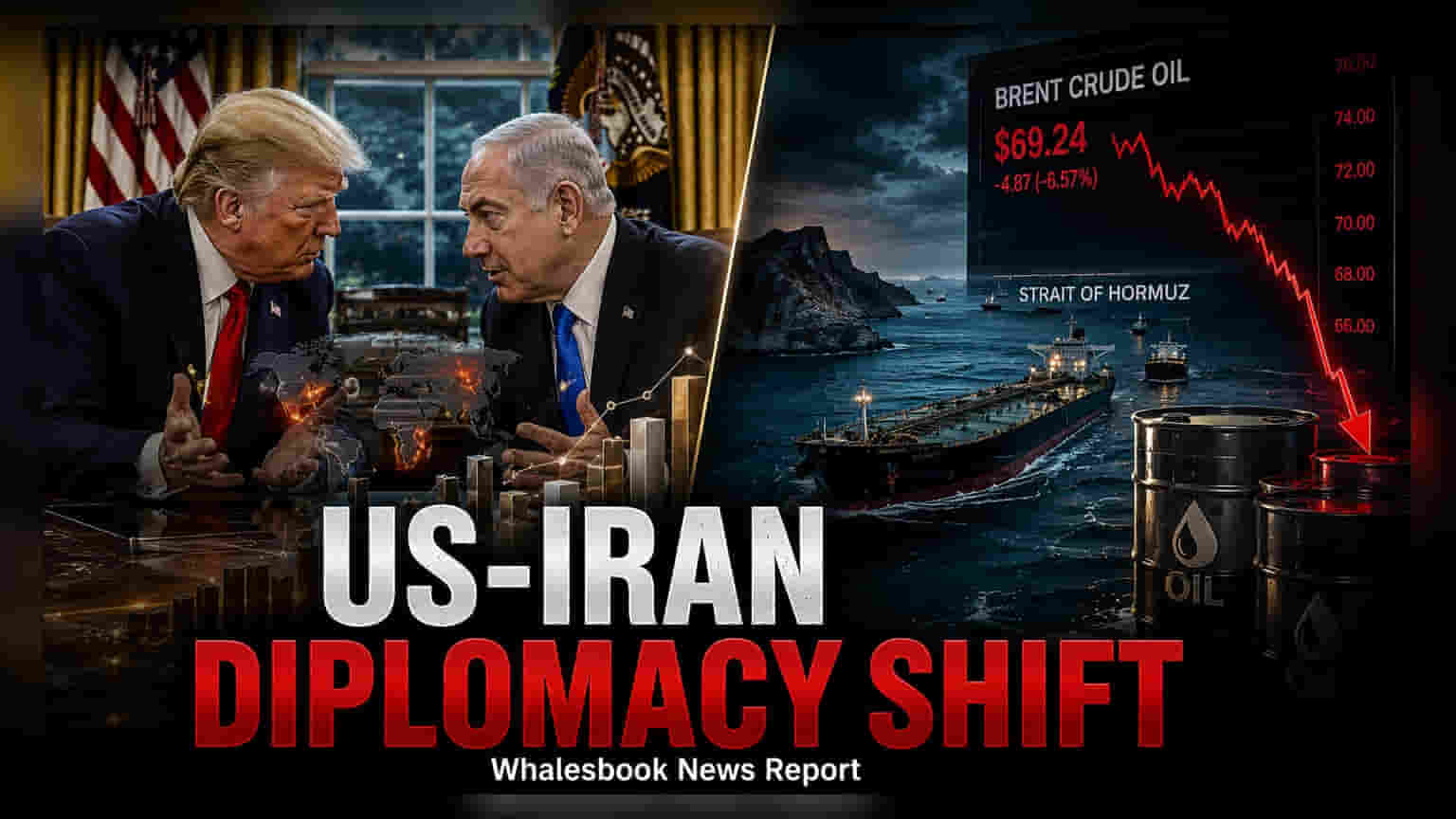
Brent crude oil prices have fallen below $84 per barrel following signs of diplomatic progress between the US and Iran. This price decline follows a meeting between President Trump and Israeli PM Netanyahu, aimed at de-escalating conflicts in the Strait of Hormuz. Lower oil prices could help ease global inflationary pressures, which remains a key factor for Indian energy importers and markets.
Global oil markets witnessed a sharp correction as Brent crude prices dipped below $84 per barrel this week, down from peaks exceeding $100 observed just days prior. The price drop follows a pivotal meeting at the White House between US President Donald Trump and Israeli Prime Minister Benjamin Netanyahu, where both leaders signaled a preference for diplomatic engagement over military confrontation regarding Iran.
The de-escalation comes after a period of intense tit-for-tat strikes that had previously disrupted shipping lanes through the Strait of Hormuz, a critical maritime route for global energy supplies. While the US President maintained that a strong military posture remains an option, his public preference for avoiding a bombing campaign has calmed immediate market fears regarding a total blockade of the region.
Impact on Energy Markets and Inflation
For Indian investors, the stability of oil prices is a significant macro factor. As a major importer of crude oil, India’s current account deficit and domestic inflation are sensitive to global energy price swings. A sustained decline in Brent crude could reduce the import bill for oil marketing companies and help lower inflationary pressures, which are vital for the broader Indian economy and market sentiment.
Simultaneously, Omani-led mediation efforts between Iranian officials and regional stakeholders are currently underway to resume shipping activity through the Strait of Hormuz. Although reports indicate some internal disagreement regarding proposals for shared control of the waterway, the focus remains on finding a path to formal US-Iran negotiations. Any formal breakthrough in these talks would likely provide further downward pressure on oil prices by reducing the geopolitical risk premium currently baked into energy costs.
What Investors Should Monitor
While the easing of tensions provides short-term relief, investors should continue to track the stability of the Strait of Hormuz and the progress of the US-Iran diplomatic channel. The primary monitorable is whether shipping volumes normalize without further military disruption. Additionally, any changes in global production policies or unforeseen escalations in the Middle East could quickly reverse the current cooling trend in crude prices. For domestic markets, the sustainability of this price dip will likely influence the operational margins of downstream oil companies and the overall outlook for the Indian rupee.