

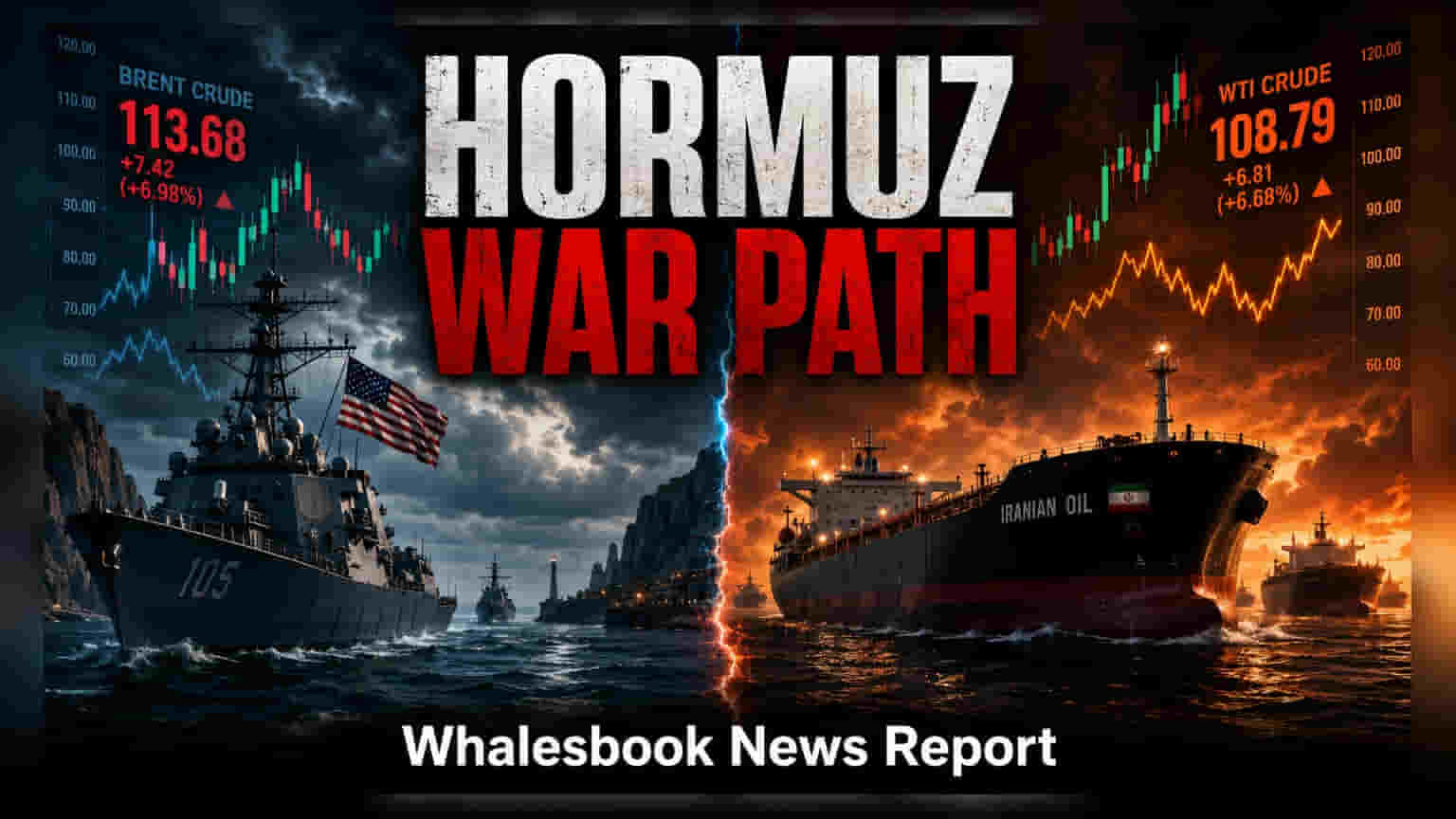
The United States has reimposed a blockade on Iranian ports following escalated strikes in the Strait of Hormuz. This shift signals a breakdown in recent diplomatic talks, impacting a critical global energy chokepoint. Investors are monitoring the situation as rising geopolitical tensions influence oil price volatility.
The United States reinstated a blockade on Iranian ports early Wednesday, marking a significant escalation in regional conflict. This move follows reports of renewed missile and drone strikes in the Middle East, effectively ending the interim truce that had been in place to facilitate diplomatic negotiations regarding Iran's nuclear program and regional security.
Impact on Global Energy Transport
The Strait of Hormuz remains a critical artery for the global energy market, with roughly 20% of the world’s oil and natural gas supplies passing through the route during stable periods. The recurrence of hostilities in this region creates immediate uncertainty for energy supply chains. Previous instances of tension in the strait have historically led to sharp increases in commodity prices, and this latest development has seen Brent crude prices briefly rise above $87 per barrel before stabilizing.
Diplomatic and Economic Context
Recent diplomatic efforts had centered on a 60-day window for discussions, which appears to have concluded without a long-term resolution. US military officials have cited continued Iranian activity near Gulf Arab nations as the justification for the renewed blockade. Meanwhile, negotiations have been complicated by alternative proposals, including suggestions for large-scale investments in the United States by regional powers as a substitute for transit fees through the waterway. The specifics of these financial arrangements remain unverified, and market observers are looking for clarity on whether such investments would be incremental to existing commitments.
Risks and Market Monitorables
The situation is fluid, with regional mediators attempting to reopen communication channels. For investors, the primary risk involves the potential for sustained volatility in crude oil prices and the impact on energy-importing economies like India. Continued military involvement in the strait increases the risk of higher shipping insurance premiums and supply chain delays for companies dependent on these routes. The key monitorable remains the duration of the blockade and whether the United States or Iran issues further escalatory signals that could lead to additional infrastructure strikes. Investors may track official updates from the US Central Command and any formal statements from regional energy stakeholders regarding the status of shipping operations in the coming days.