

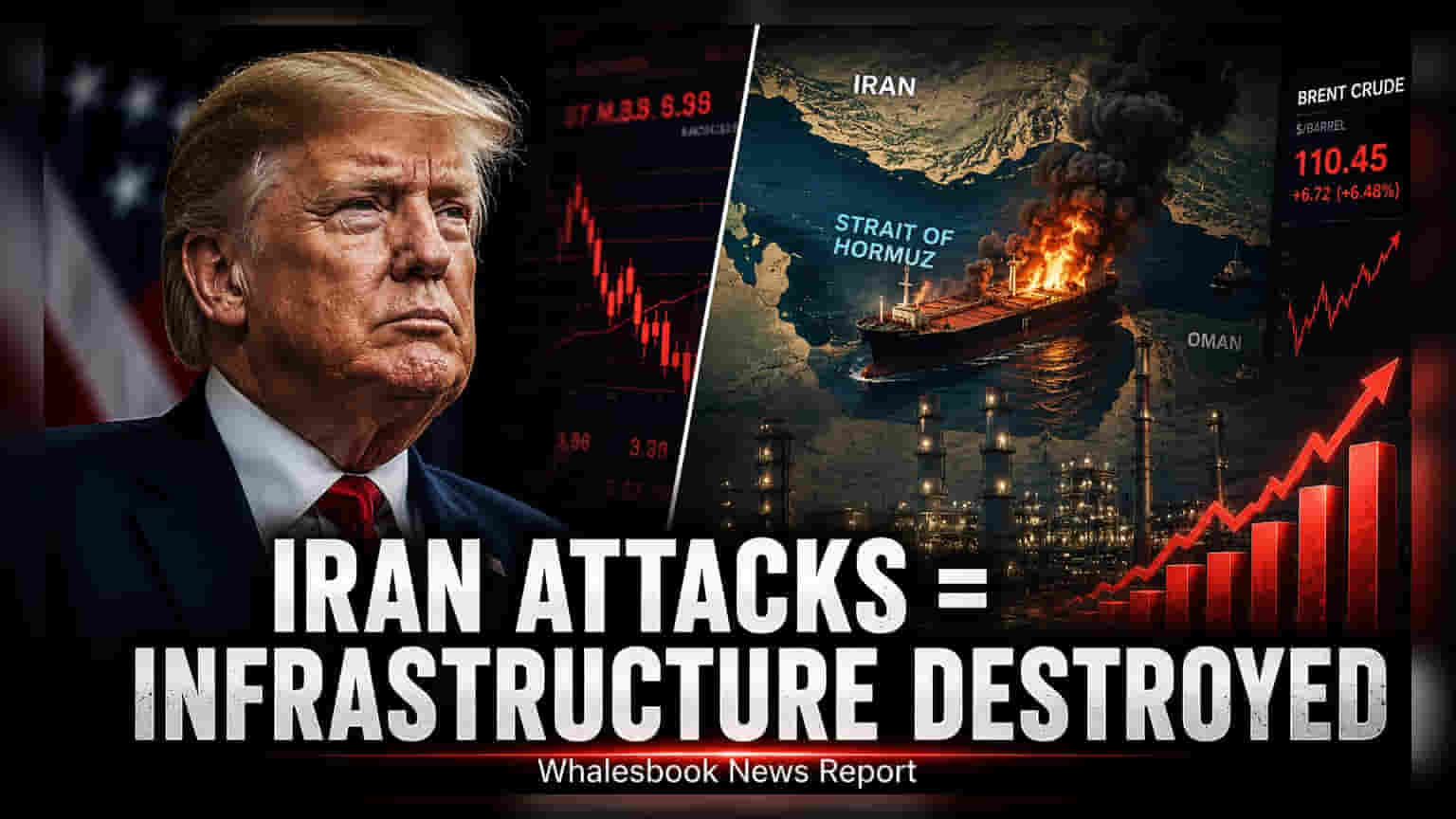
Brent crude prices are hovering around $94 a barrel following increased geopolitical tensions in the Strait of Hormuz. The situation follows warnings from the U.S. government regarding potential retaliatory strikes on infrastructure, heightening fears of energy supply disruptions. Investors are tracking these developments closely as fuel prices climb.
Detailed Coverage
Global energy markets are facing heightened uncertainty as tensions in the Strait of Hormuz escalate. Following a series of warnings from the United States government regarding potential retaliation for attacks on ships in this critical waterway, benchmark Brent crude prices have reached approximately $94 per barrel. This waterway is vital for global trade, as it facilitates the movement of nearly 20% of the world's oil and natural gas supplies.
The current geopolitical environment has raised significant concerns regarding the stability of international energy logistics. The United States has indicated it may target specific infrastructure in response to future maritime incidents, a development that has contributed to rising fuel prices and increased market volatility. While diplomatic channels remain open, the ongoing instability has created a challenging environment for global energy traders.
Impact on Energy and Regional Logistics
The Strait of Hormuz is one of the world's most significant energy chokepoints. Any disruption to traffic through this region has historically had an immediate impact on global oil prices due to the potential for supply shortages. In addition to the risks in this region, recent reports have noted instability in the Red Sea, where threats from Houthi rebels continue to pose risks to international shipping. These combined factors have kept energy markets under pressure, as investors assess the impact of sustained geopolitical conflict on global supply chains.
Economic and Defense Considerations
The U.S. government has reported active participation in ongoing military operations in the region, with Defense Secretary Pete Hegseth estimating the current war-related spending at approximately $37.5 billion. For the broader economy, such spending and the resulting uncertainty regarding energy costs can influence inflation expectations and corporate bottom lines, particularly for sectors reliant on fuel, such as aviation, logistics, and transportation. Furthermore, the focus on specific locations, including concerns surrounding Iranian nuclear enrichment facilities, adds a layer of long-term strategic risk that market analysts continue to monitor.
Investors looking ahead will be tracking the stability of shipping through the Strait of Hormuz, as any further escalation could lead to additional volatility in crude oil prices. Market participants are also monitoring official statements from both U.S. and international diplomatic bodies, as any shift toward de-escalation or formalized agreements would be a significant factor in stabilizing energy markets.