

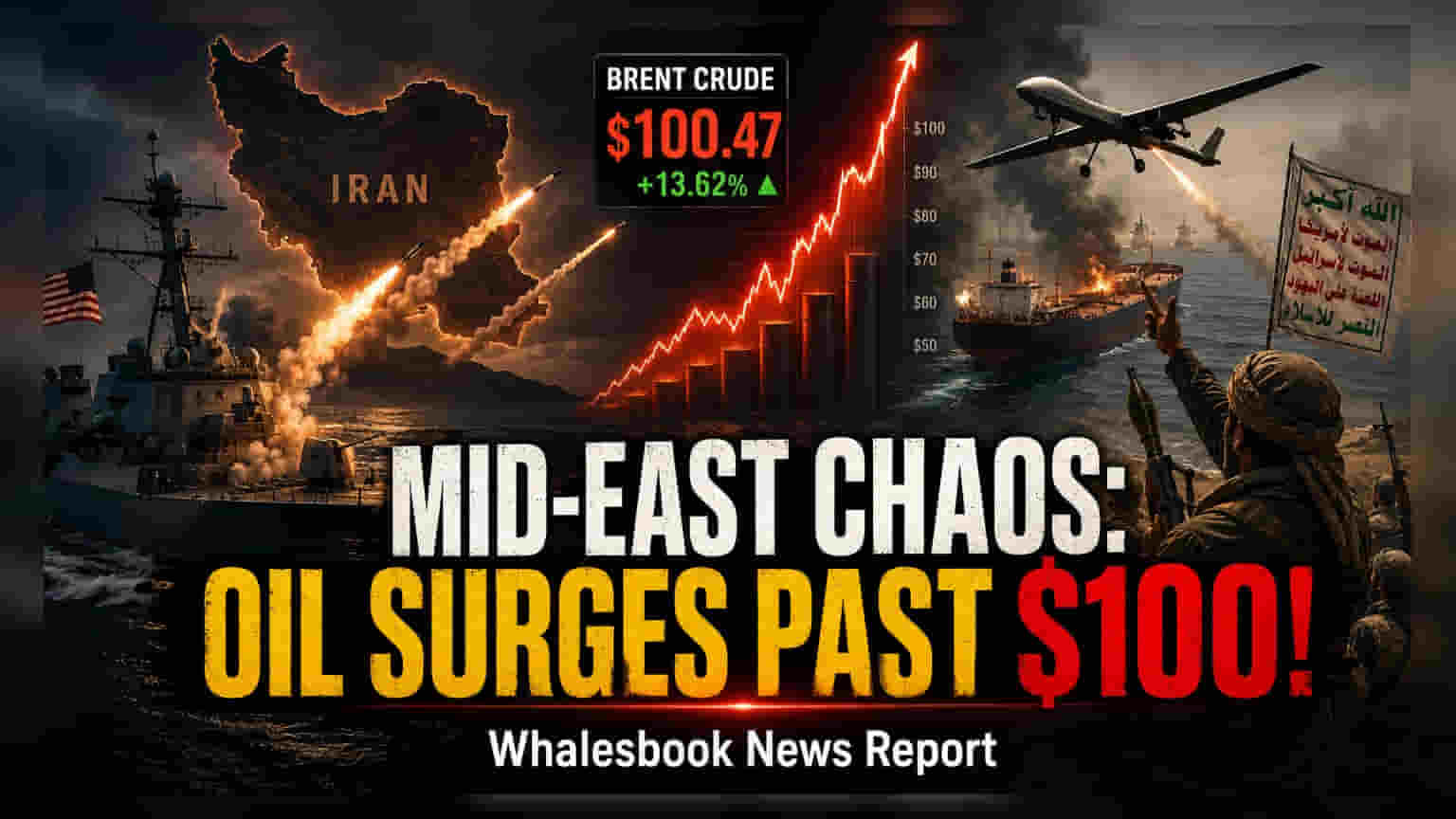
Brent crude prices surged past $100 a barrel as military tensions escalated in the Middle East. The rise follows U.S. strikes in Iran and Houthi rebel attacks on Saudi oil tankers near key shipping routes. Investors are monitoring the situation for potential impacts on global supply chains and energy costs.
Detailed Coverage
Global energy markets experienced significant movement on July 24, 2026, as Brent crude prices climbed above $100 per barrel. This jump, representing a single-day increase of over 6%, follows reports of intensifying conflict within critical maritime corridors. The U.S. military conducted its thirteenth consecutive night of strikes within Iran, while Houthi rebels claimed responsibility for attacking two Saudi oil tankers, the Encelia and the Layla, in the Red Sea.
Impact on Global Shipping Chokepoints
The tension centers on the Strait of Hormuz and the Bab el-Mandeb Strait, two of the world's most vital maritime arteries. The Bab el-Mandeb Strait alone facilitates approximately 12% of global trade. Disruptions in these areas create immediate pressure on oil logistics, particularly for Saudi Arabia. A substantial volume of oil from the Yanbu port is currently being diverted through an overland pipeline due to these maritime threats, highlighting the operational strain caused by the conflict.
Geopolitical Risks and Market Sensitivity
The volatility in oil prices reflects market concern over the stability of energy supplies. Washington has stated that its military actions are designed to protect commercial vessels, while Iranian leadership has vowed a reciprocal response. This widening regional confrontation has also impacted neighboring countries, with reports of intercepted missiles and drones in Jordan, Bahrain, and Kuwait. These developments contribute to increased risk premiums for global energy commodities.
Financial Context for Indian Investors
For Indian investors, the rise in Brent crude prices is a critical factor to track. India is a major importer of crude oil, and sustained high prices often lead to increased import bills, which can put pressure on the national current account balance and domestic inflation. Increased energy costs may also affect the profit margins of oil-dependent sectors, such as paints, tyres, aviation, and oil marketing companies. Historically, prolonged geopolitical instability in the Middle East has created cost pressure for these industries, forcing companies to balance rising raw material expenses with consumer demand.
Monitoring Future Developments
Investors may look for updates regarding the security of oil transit through the Red Sea and the Strait of Hormuz. The next important indicators will include any official statements on the effectiveness of diplomatic efforts to calm regional tensions, changes in tanker insurance premiums due to the increased risk in the area, and any further adjustments in global oil production or export logistics. Market participants will also closely observe the quarterly results of Indian companies sensitive to fuel costs to see how they manage margin pressure in this environment.