

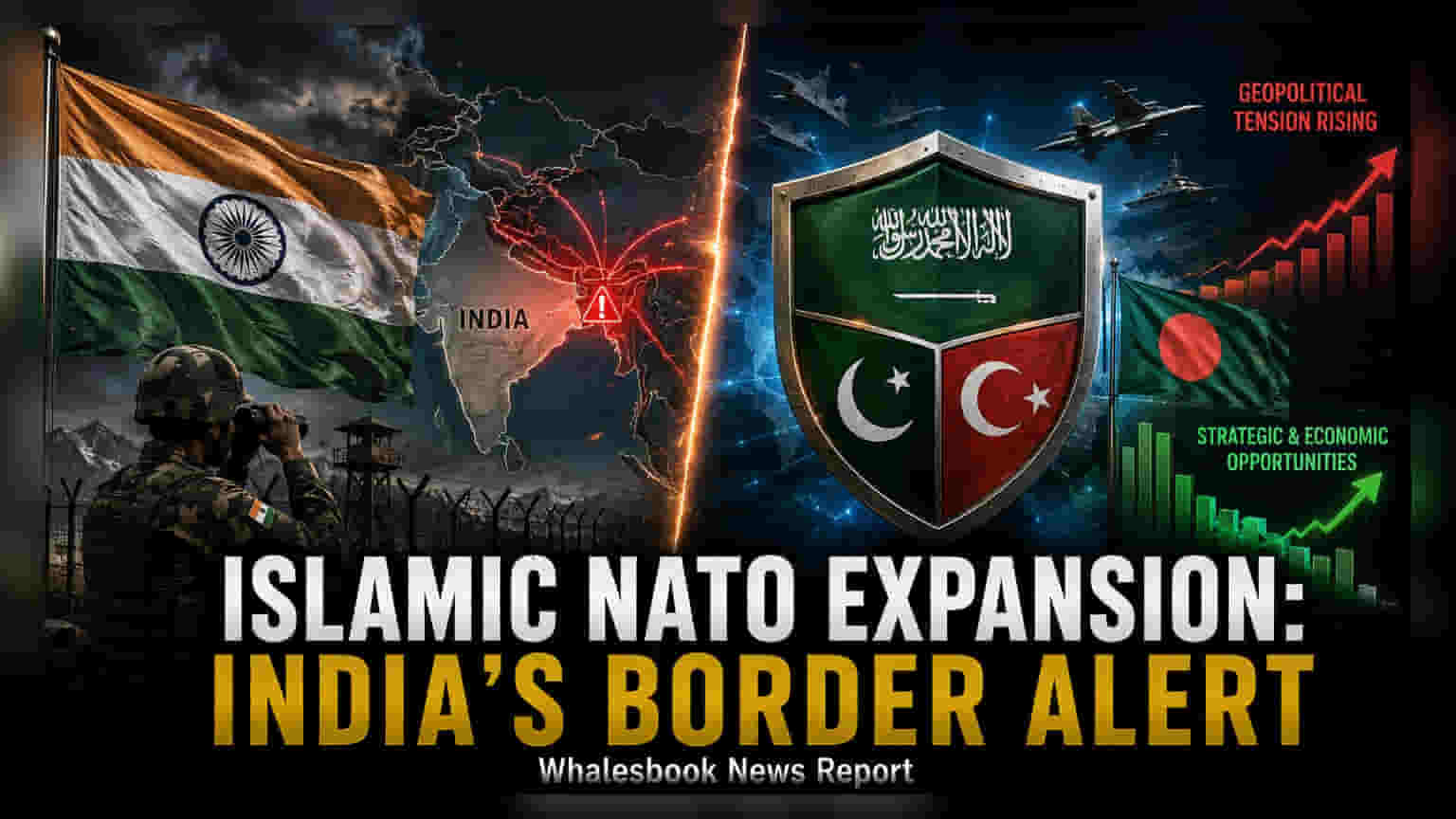
Bangladesh is exploring a potential entry into the 'Mecca' defence agreement, a trilateral pact signed in August 2026. While no formal decision has been made, the move has drawn close attention from New Delhi due to regional security implications. For market observers, the primary interest lies in how potential shifts in foreign policy might affect long-term regional stability and cross-border trade dynamics.
Bangladesh has indicated it is considering the possibility of joining a new trilateral defence agreement involving Saudi Arabia, Pakistan, and Turkey. The alliance, often referred to as the 'Mecca Joint Defence Agreement,' was signed on August 7, 2026, and includes a collective defence clause where an attack on one member state is treated as an attack on all participants.
While officials in Dhaka have stated that any decision will be guided by the nation's 'Bangladesh First' foreign policy, the prospect of joining the bloc has sparked significant discussion. The Indian government has publicly noted it is closely monitoring the situation. For the Indian market and policymakers, the core concern stems from the potential for a new strategic foothold for the alliance near India's eastern border, which could alter the regional security balance.
From a business and economic perspective, shifts in geopolitical alliances often bring uncertainties that can impact regional stability. Investors generally monitor such developments as they influence the risk environment for cross-border infrastructure, trade policies, and diplomatic relations. A pivot toward a military-aligned bloc could complicate existing regional dynamics, which are typically viewed by the market as essential for smooth trade and industrial growth.
There are also operational risks associated with such agreements. Analysts point out that joining a pact with a collective defence obligation could potentially draw Bangladesh into regional instabilities or conflicts far from its own borders. Furthermore, balancing this new alliance while maintaining existing ties with India and other global powers will be a complex task for the current administration. Maintaining this balance is important, as any significant change in diplomatic or military alignment can have long-term effects on foreign investment and economic cooperation in South Asia.
The next major development to watch will be the scheduled visit of Bangladesh Prime Minister Tarique Rahman to Saudi Arabia, expected in October 2026. This trip, following an invitation from the Saudi Crown Prince, is likely to provide clearer signals regarding Dhaka's intentions. Market participants will track official statements from this visit to gauge the future trajectory of Bangladesh's foreign policy and the potential implications for regional stability.