

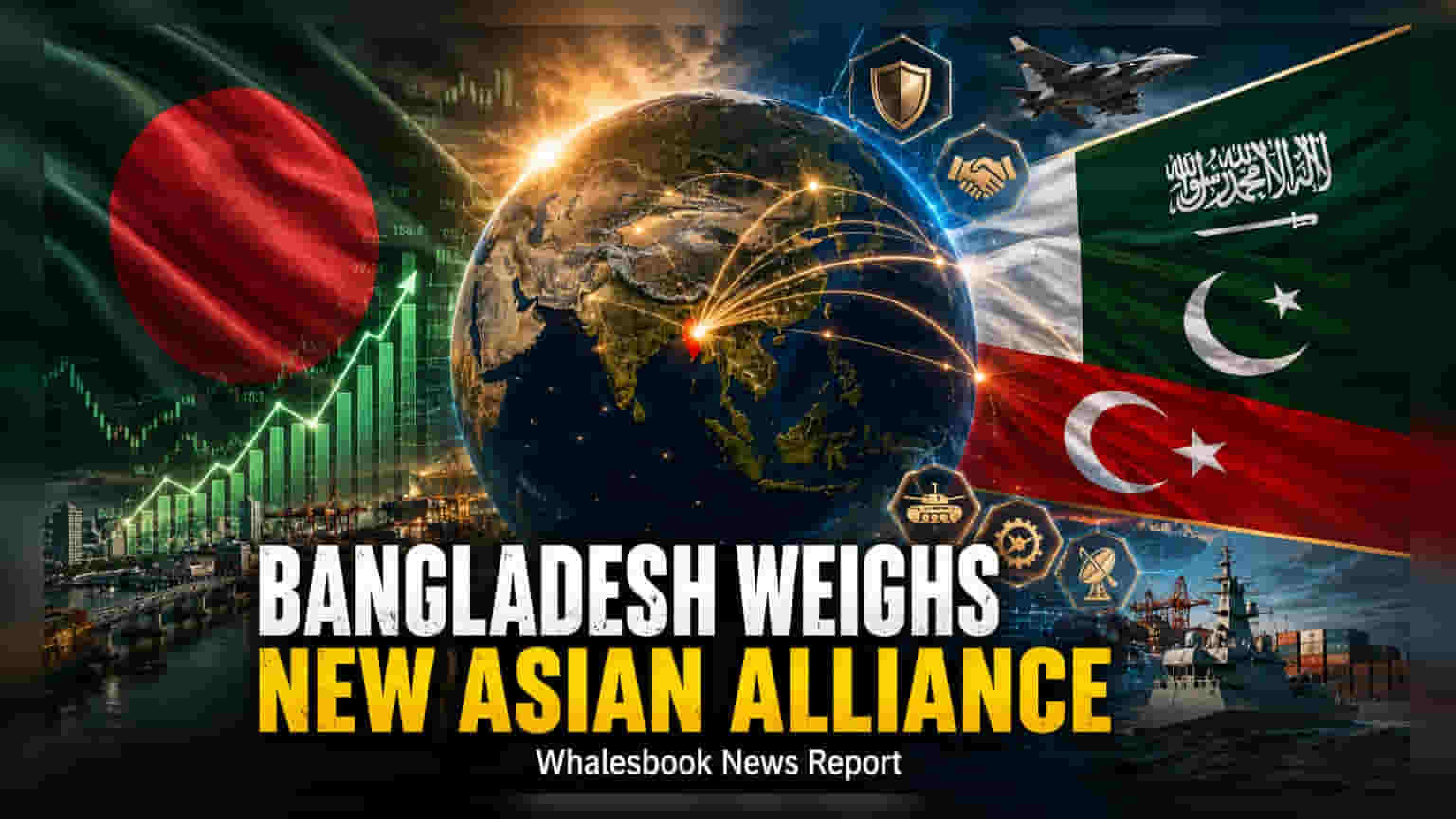
Bangladesh is considering joining the 'Mecca Joint Defence Agreement'—a new security pact between Saudi Arabia, Pakistan, and Turkey. This potential move follows the alliance's August 2026 launch and signals a shift in regional geopolitics. Investors are monitoring the situation for its long-term impact on trade, regional stability, and cross-border business ties in South Asia.
Bangladesh has signaled an openness to join the newly formed 'Mecca Joint Defence Agreement,' a strategic framework signed by Saudi Arabia, Pakistan, and Turkey on August 7, 2026. The pact includes a collective-defense clause, meaning the signatories commit to treating an armed attack on one member as an attack on all. This development is being closely watched by observers across Asia as it marks a potential realignment in regional security dynamics.
Foreign Affairs Adviser Humayun Kabir confirmed that Dhaka maintains a positive approach toward participating in this economic and defense framework. However, he emphasized that any decision would be contingent upon safeguarding Bangladesh’s specific national interests and adapting to changing global trade patterns. The agreement is not a formal 'NATO-style' military bloc but is designed to facilitate closer defense-industrial cooperation, technology transfers, and joint military exercises among the member nations.
For investors and market participants, this development carries significant implications for regional stability. Bangladesh is currently navigating a period of complex foreign policy adjustments following the political uprising in 2024. The strengthening of ties with Pakistan and deepening engagement with China, coupled with the potential entry into this new pact, suggests a move toward broadening diplomatic and strategic options. This comes at a time when relations with neighboring India remain strained, creating a new layer of uncertainty for cross-border trade.
From a business perspective, geopolitical shifts often influence trade corridors, logistics, and investment flows. Indian companies with significant exposure to the Bangladeshi market—particularly in sectors like energy, infrastructure, and textiles—may experience increased volatility if diplomatic relations between the two nations continue to fluctuate. Any change in the regional security architecture can impact policy decisions, trade tariffs, and the ease of doing business across borders.
There are inherent risks in this new alignment. As the pact is in its early stages and remains operationally untested, there is uncertainty regarding how it will affect the existing regional balance of power. Furthermore, if the alliance expands to include other nations, it could heighten competition or trigger regional tensions, which complicates the outlook for long-term investments in South Asia. The pact’s impact on trade and security will largely depend on how these nations reconcile their often-differing national interests under a single framework.
Moving forward, the primary monitorable for investors will be the official stance taken by the Bangladeshi government regarding formal membership and the subsequent impact on its trade policies with neighboring nations. Observers will also watch for any developments in the diplomatic dialogue between New Delhi and Dhaka, as the stability of this relationship remains a key factor for economic sentiment in the region.