

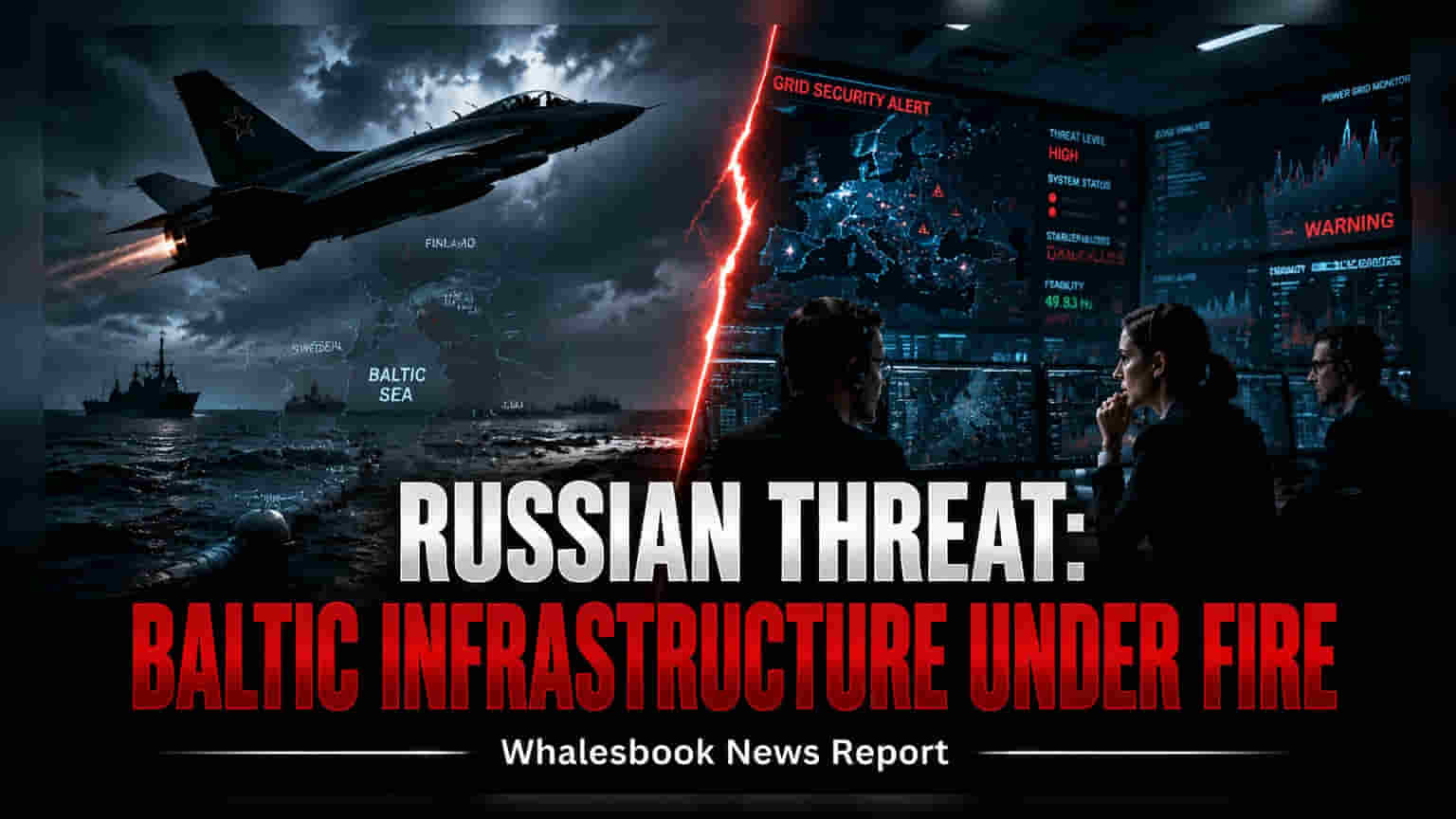
Lithuania, Latvia, and Poland have reported heightened security risks to energy and transport systems, citing intelligence on potential Russian operations. These warnings follow recent incidents involving cyberespionage and drone activity, prompting regional defense shifts that could impact European energy stability and logistics.
Officials in Lithuania, Latvia, and Poland have issued security alerts regarding potential threats to critical infrastructure, including energy grids and transportation networks. The warnings follow intelligence assessments that suggest a risk of kinetic operations, which could disrupt vital cross-border links. This development marks a shift in regional defense posture, as Baltic nations bolster protection around strategic facilities to prevent interruptions to electricity and trade routes.
Regional Security and Defense Shifts
The Baltic states have faced consistent pressure, characterized as hybrid attacks, since the conflict in Ukraine began in 2022. In response, Lithuania has deployed additional forces to secure essential infrastructure, while Poland has increased monitoring of its air defense systems following sightings of surveillance aircraft over the Baltic Sea. These measures reflect a broader trend of hardening regional defenses against both cyber threats and physical incursions. A key focus for authorities remains protecting the infrastructure that connects the Baltic region to the wider European electricity grid.
Cyber and Operational Risks
The European Union has previously identified Russian agencies, including the FSB Centre 16, as sources of sabotage and cyberespionage targeting European defense assets. Beyond digital threats, the region is managing concerns related to unidentified drone activity. Reports indicate that incidents involving drones have impacted civilian aviation and caused localized political pressure. In Latvia, for example, tensions surrounding regional security and drone incidents have influenced the domestic political climate. Meanwhile, Poland has been actively upgrading security protocols since experiencing disruptions to its rail infrastructure in late 2024.
Official Responses and Outlook
The Kremlin has dismissed these warnings as attempts to justify further military build-up in the region, labeling the claims as manufactured. Despite this, leaders in the Baltic states and Poland maintain that their preparations are necessary due to the evolving nature of the war in Ukraine. The next important step for regional monitoring will be the efficacy of the newly deployed defense forces and the coordination of energy grid security between EU member states. Investors and observers will track how these security measures influence energy supply chain stability and regional transport costs in the coming months.