 Whalesbook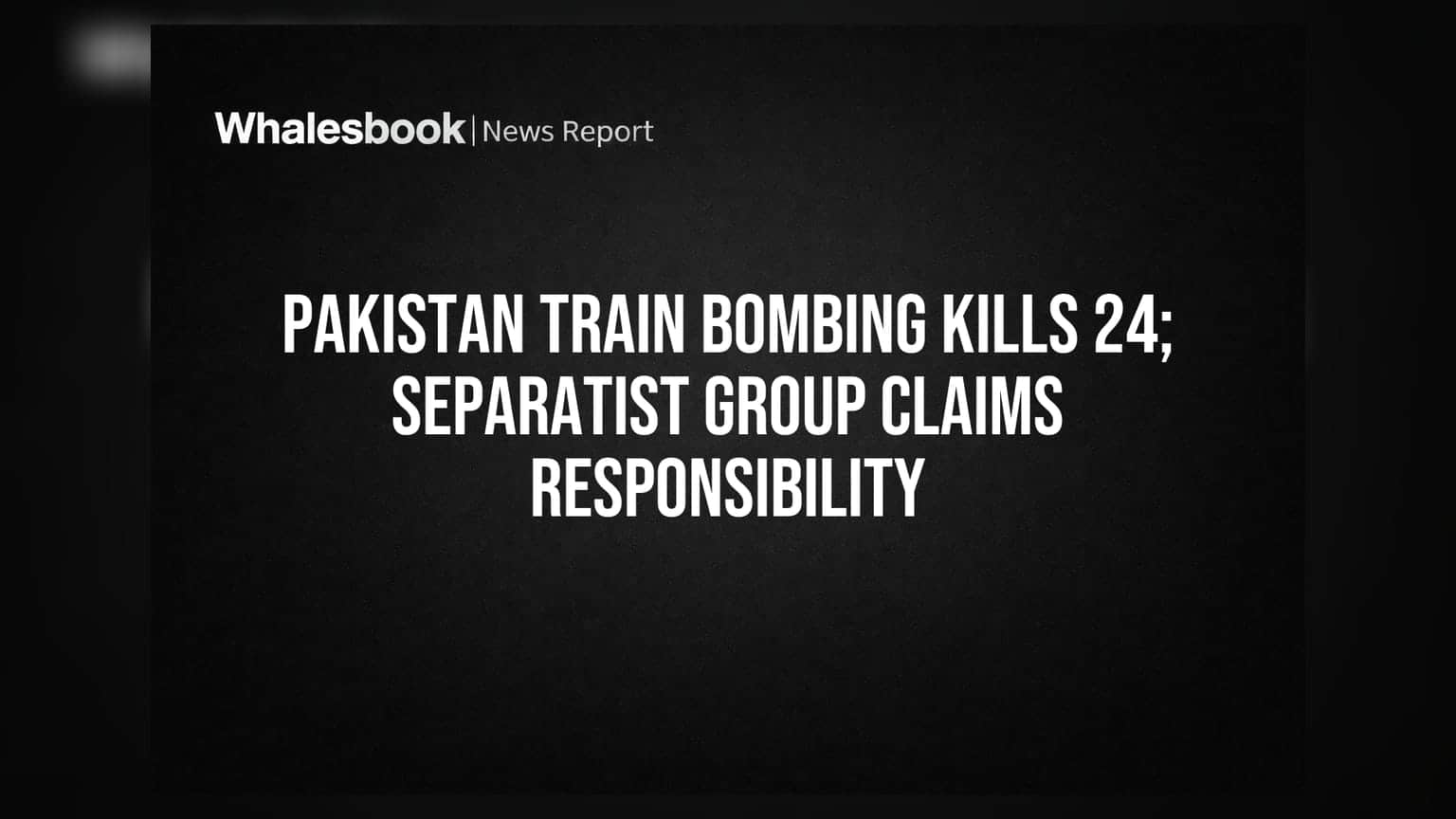


Disruption of Key Infrastructure
The bombing of a train line targeting security personnel marks a significant escalation in attacks on state infrastructure. This comes as efforts are underway in Beijing to stabilize the China-Pakistan Economic Corridor, a major investment project that has long been a focus of separatist grievances. By targeting military assets, insurgent groups are increasing the risk and cost for developments in the region, prompting China to reconsider security for its overseas investments.
Balochistan's Resource Paradox
Balochistan is rich in resources like copper, gold, and hydrocarbons but suffers from severe underdevelopment. Instability is fueled by the perception that federal authorities exploit the region's wealth without benefiting local communities. This grievance has shifted from protests to a sophisticated insurgency capable of complex attacks. The military's response may be insufficient to protect assets or deter specialized militant groups.
Rising Operational Risks for Investors
Analysts note a shift from smaller skirmishes to more frequent, high-impact operations. This increased activity threatens the viability of the Gwadar deep-sea port, a key trade hub. International investors face not only immediate capital loss but also concerns about the state's long-term ability to ensure a secure environment for resource exploration. Global powers seeking to diversify supply chains for minerals must consider the accessibility challenges in Balochistan.
Pakistan's Stability Challenges
Pakistan has a limited time to stabilize its western region without increasing military dependence. The government's focus on security solutions for socio-political issues may prolong the insurgency. As the military presence grows to protect economic projects, the civilian government's legitimacy erodes, creating a cycle of instability. The future of the region's economic integration depends on the state's ability to address the long-standing demands of regional factions regarding resource sharing.