

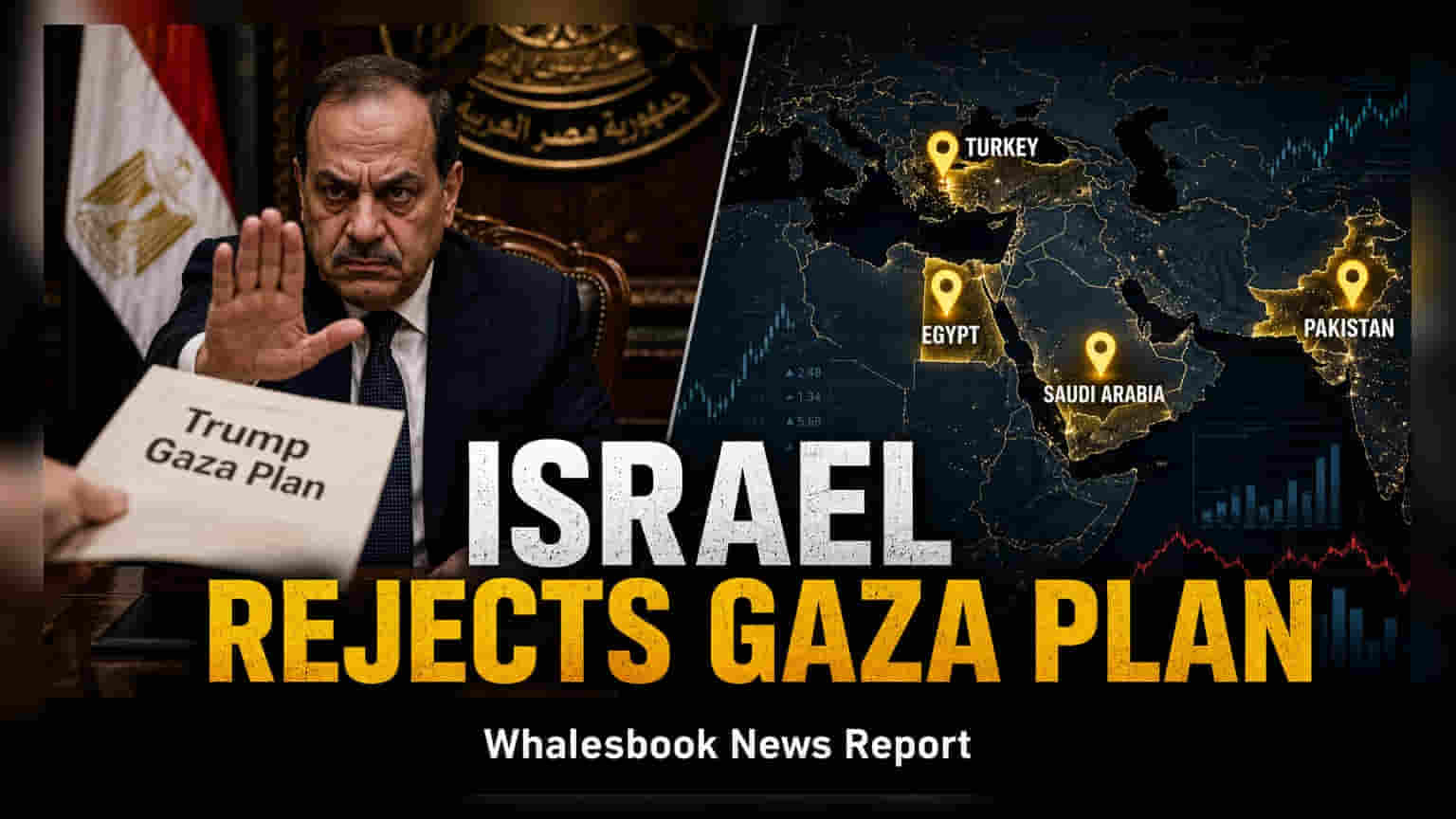
A coalition of eight countries, including Saudi Arabia and Turkey, has formally condemned Israel’s rejection of a US-backed 15-point peace roadmap for Gaza. The diplomatic standoff stems from Israel's refusal to accept the proposal without first achieving the total disarmament of Hamas, creating new uncertainty for regional stability.
A coalition of eight nations—Saudi Arabia, Egypt, Jordan, Pakistan, Indonesia, Turkey, Qatar, and the United Arab Emirates—has issued a joint statement condemning Israel's decision to reject a proposed US-backed peace roadmap for Gaza. This collective diplomatic push highlights growing international pressure to find a resolution to the ongoing conflict.
The proposed initiative, known as a 15-point roadmap developed by a group led by US administration officials, was designed to end the hostilities through a series of phased actions. The plan reportedly included provisions for a ceasefire, the gradual withdrawal of Israeli forces, the disarmament of Hamas, and the setup of a temporary governing body to stabilize the region.
The Stance on Disarmament
Israeli Prime Minister Benjamin Netanyahu officially rejected the roadmap on August 9, 2026. His administration has maintained a firm position that the Israel Defense Forces will not withdraw from Gaza until Hamas is completely disarmed. Israeli officials argue that any withdrawal before this condition is met would pose an unacceptable security risk, rejecting the phased approach offered in the US-backed plan.
The coalition of eight nations, however, has warned that this rejection threatens to derail diplomatic efforts for a lasting peace. They hold the position that Israel's refusal to engage with the framework effectively blocks the path toward de-escalation. The joint statement signals a unified effort to put pressure on the involved parties to return to the negotiation table.
Geopolitical Context for Investors
For market participants, the persistence of the conflict and the breakdown of mediation efforts remain significant variables. Increased geopolitical friction in the Middle East is often monitored for its potential impact on global energy prices and regional trade logistics. While investors typically focus on corporate earnings, large-scale diplomatic impasses can influence broader market sentiment and commodity trends, particularly in sectors sensitive to energy costs or supply chain disruptions in the region.
Ongoing Diplomatic Efforts
Despite the current deadlock, US envoy Jared Kushner is reportedly continuing efforts on the ground. He is currently engaging with regional mediators and various stakeholders, including Hamas leadership, to attempt to salvage the initiative or find alternative pathways to a ceasefire. The diplomatic situation remains fluid, and the primary monitorable for observers will be any shifts in the negotiation framework or the potential for new, modified proposals that might address Israel's security requirements while satisfying the demands of regional partners.