

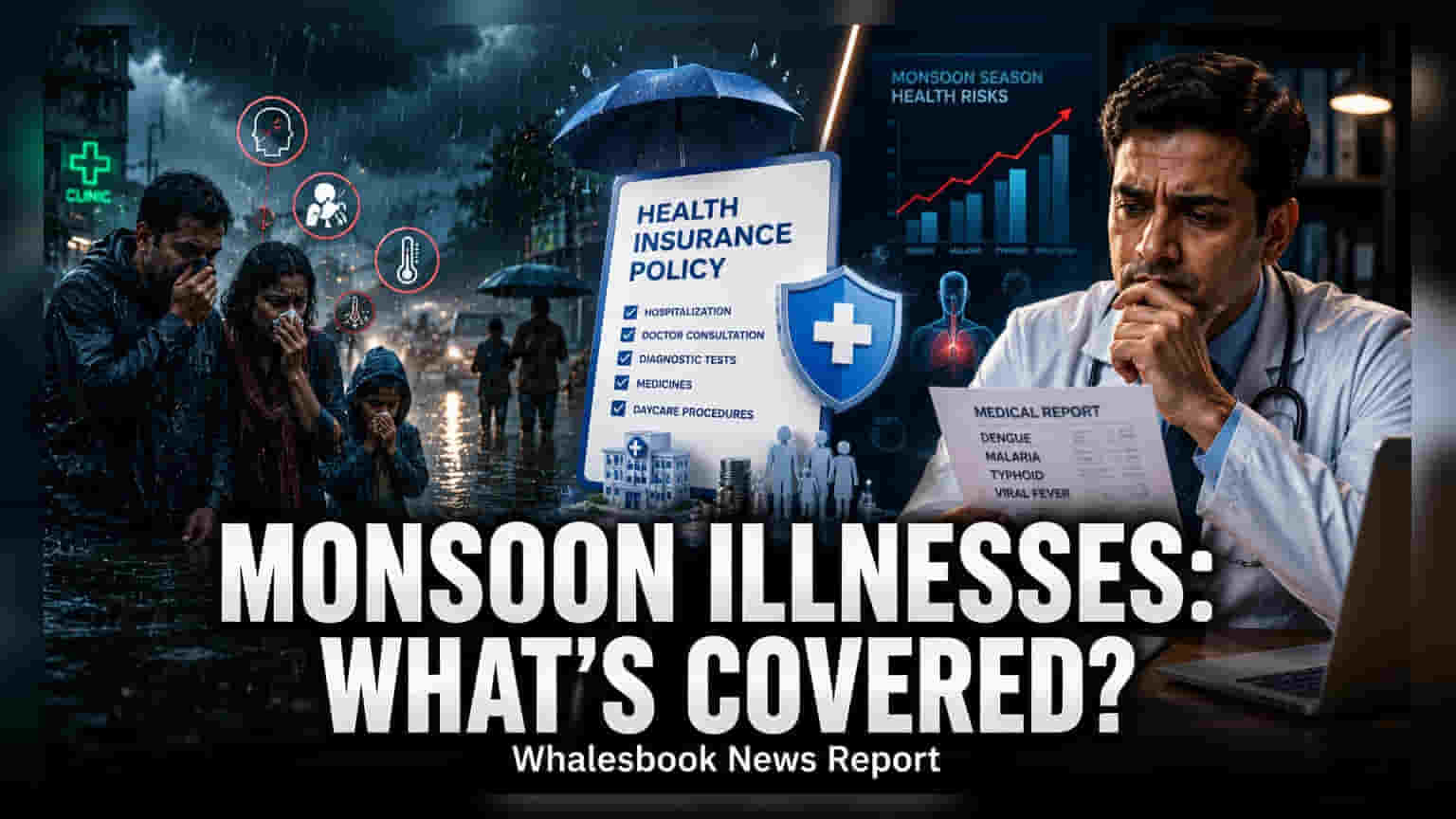
As monsoon-related illnesses like dengue and malaria rise, most standard health plans cover inpatient hospitalisation of over 24 hours. However, outpatient costs and waiting periods often catch policyholders off guard, making it essential to review your specific coverage limits and network hospital list today.
Detailed Coverage
The monsoon season brings a heightened risk of vector-borne and water-borne diseases such as dengue, malaria, typhoid, and leptospirosis. While standard indemnity health insurance policies generally cover hospitalisation for these conditions, navigating the fine print is vital to avoid unexpected financial burdens during a health emergency.
Understanding Inpatient vs Outpatient Coverage
Most comprehensive health insurance plans are designed for inpatient hospitalisation, meaning you must be admitted to a hospital for at least 24 consecutive hours to trigger a claim. This coverage typically includes room rent, nursing fees, medicines, and ICU charges. However, a significant gap for many policyholders is outpatient department (OPD) care. If you receive treatment at home or visit a clinic for consultations and diagnostic tests without being admitted, these costs are usually not covered unless your policy specifically includes an OPD rider or benefit. Without this, you will likely have to pay for pharmacy bills and doctor visits from your own pocket.
The Impact of Waiting Periods
A common mistake is buying insurance only after the monsoon sets in or symptoms appear. Nearly all health insurance policies carry an initial waiting period—frequently 30 days—for non-accidental illnesses. If you purchase a policy during the rainy season, you will not be protected against these diseases until this waiting period expires. Furthermore, any pre-existing conditions disclosed at the time of purchase may have their own separate waiting periods before they become eligible for coverage.
Cashless Facilities and Network Hospitals
Choosing a hospital within your insurer’s network is one of the most effective ways to manage cash flow during an illness. Network hospitals provide cashless treatment, which eliminates the need to pay large medical bills upfront and wait for reimbursement. If you choose an out-of-network facility, you must pay all expenses yourself and then submit the bills for reimbursement, which can take time and involve strict scrutiny. Always keep a digital or physical list of the nearest network hospitals and your TPA's emergency contact number ready before an emergency arises.
Ensuring Adequate Protection
Medical inflation has significantly increased the cost of treatment in recent years. For instance, a moderate case of dengue requiring a few days of hospitalisation in a major Indian metro city can easily cost between ₹80,000 and ₹1.5 lakh. In cases requiring ICU care, expenses can quickly exceed ₹3 lakh to ₹5 lakh. Financial planners often suggest a base coverage of at least ₹10 lakh for an individual, while families opting for a floater policy should consider higher limits.
To ensure your claims are processed without delays, maintain a file of all essential documents, including the doctor’s prescription, lab reports, admission and discharge summaries, and original invoices. Discrepancies or missing paperwork are the most common reasons for claim rejections. Additionally, some policyholders choose to buy supplementary fixed-benefit policies that pay a lump sum upon the diagnosis of specific vector-borne diseases. These can help cover extra costs like diagnostic tests or loss of income during the recovery phase, but they should be used to support, not replace, your core comprehensive health insurance plan.