

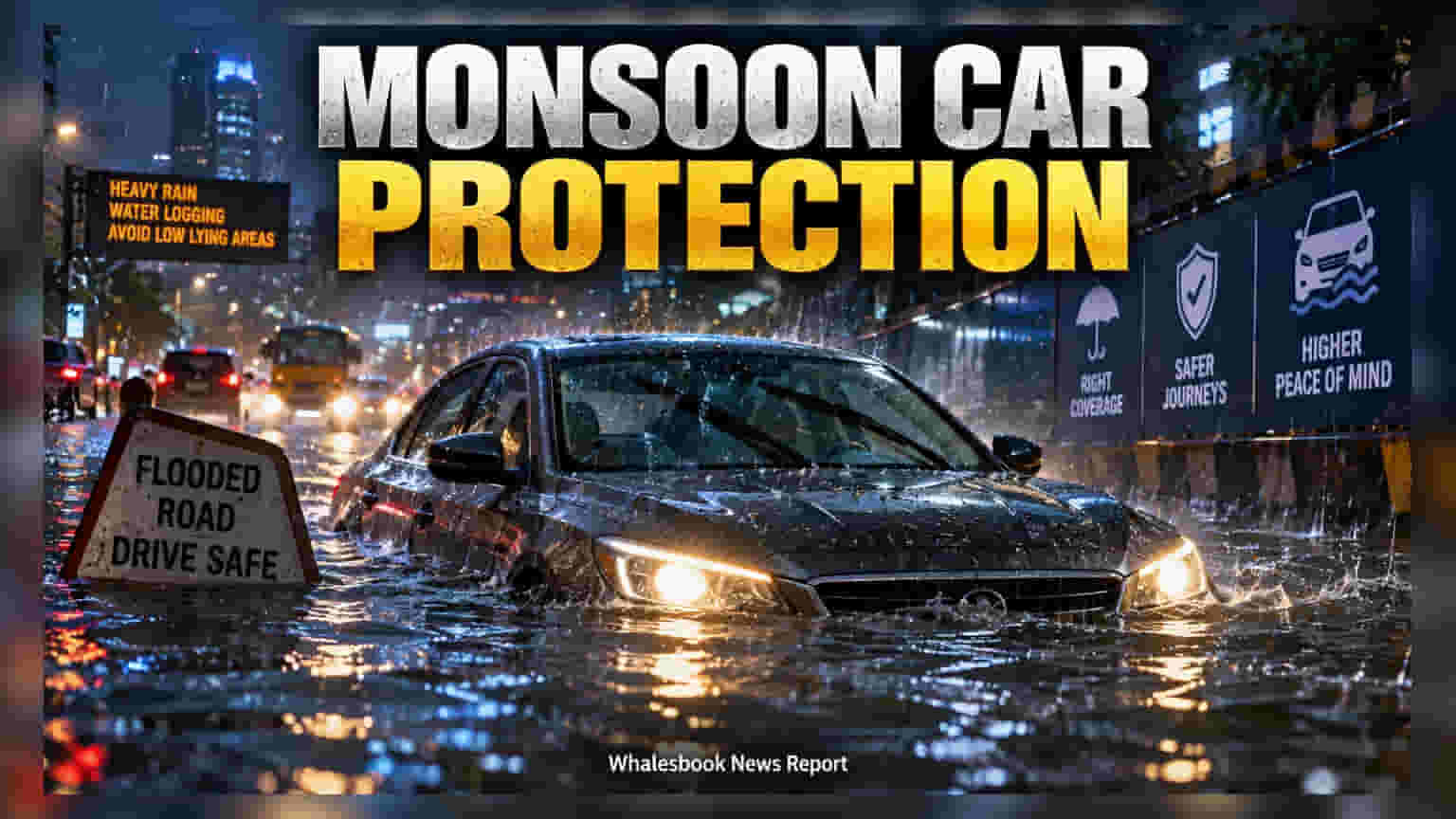
With urban flooding becoming a recurring challenge for car owners in India, standard insurance policies may not cover all monsoon-related repair costs. Key add-ons like zero depreciation, return to invoice, engine protection, and roadside assistance are essential tools to prevent significant out-of-pocket expenses. Understanding these features helps policyholders secure better financial protection against water-related vehicle damage.
Urban flooding has shifted from a rare event to a predictable financial risk for many car owners across India. While standard comprehensive motor insurance covers accidents and theft, these policies often leave gaps when it comes to the specific damage caused by water logging. Relying solely on a base policy can lead to unexpected and large repair bills during the monsoon season.
Protecting Against Depreciation Costs
The zero depreciation add-on is often the first step in enhancing coverage. In standard insurance claims, insurers apply depreciation rates to plastic, rubber, glass, and fiber parts, which can lead to significant deductions in the payout. For an incremental annual cost, often around ₹1,500, a zero depreciation cover allows the policyholder to receive the full replacement value of these parts without any deduction. This is particularly relevant for cars regularly used in cities where minor flooding can damage expensive non-metal components.
Managing Total Loss Risks
Return to Invoice (RTI) is a specific add-on designed for total loss or theft scenarios. Standard policies pay out the Insured Declared Value (IDV), which depreciates every year. If a vehicle is damaged beyond repair or stolen, the IDV may be significantly lower than what was originally paid for the car. RTI bridges this gap by ensuring the insurer pays the full invoice amount, including taxes and registration charges. While the premium impact is modest—typically around ₹1,000—it provides a crucial financial safety net for owners of newer vehicles.
The Importance of Engine Protection
Perhaps the most vital add-on during the monsoon is engine protection. Most base insurance policies explicitly exclude consequential damage to the engine caused by water ingestion, such as hydrostatic lock. If water enters the engine, repairs can be extremely costly. However, there is a critical condition attached to this coverage: if a driver attempts to restart a flooded vehicle, the claim is usually rejected. Avoiding the impulse to start the ignition in deep water is the most important step for maintaining claim eligibility.
Roadside Assistance as a Safeguard
Roadside assistance serves as the final layer of defense. In flood conditions, moving the vehicle improperly can exacerbate damage. Using a professional, authorized towing service ensures the vehicle is handled correctly, which preserves the eligibility for insurance claims. Many insurers now offer roadside assistance that covers battery jump starts, minor on-site fixes, and towing. Ensuring these services are integrated into the policy adds minimal cost compared to the potential expense of unauthorized towing or mechanical damage. Policyholders should verify their policy documents to understand if these services are included or need to be added separately before the onset of heavy rains.