

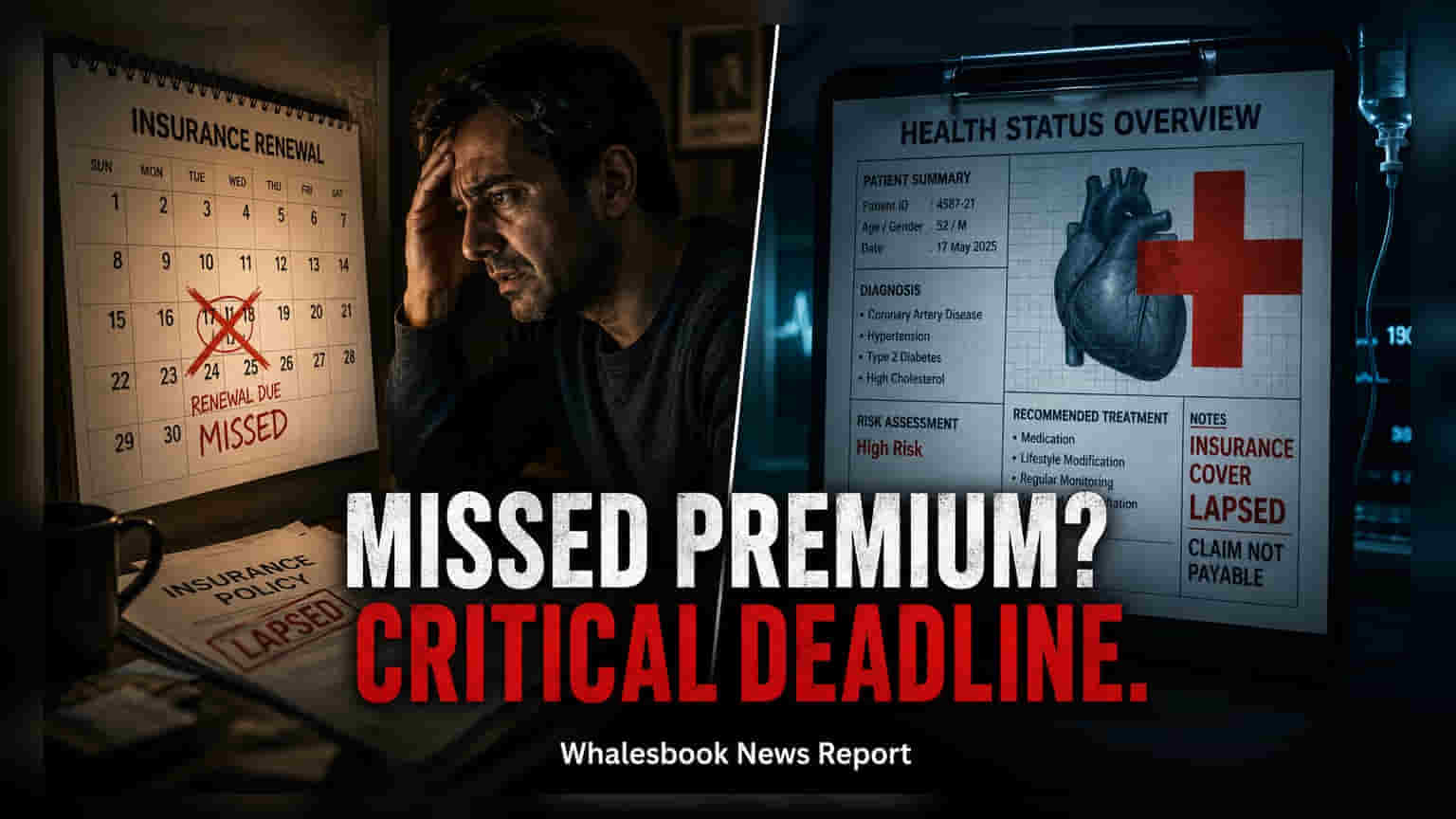
Missing a health insurance payment can lead to a policy lapse and loss of crucial benefits. While IRDAI mandates a grace period for renewals, it does not guarantee claim coverage during that time. Understanding these rules is essential for maintaining continuous protection and avoiding fresh waiting periods.
Detailed Coverage
For many Indian policyholders, a missed health insurance premium is often viewed as a minor administrative oversight. However, failing to renew a policy on time can create significant financial risks, potentially leaving an individual without protection exactly when they need it most. Under the current regulations set by the Insurance Regulatory and Development Authority of India (IRDAI), policyholders are granted a grace period to complete their renewal payments without immediate cancellation.
Grace Period Rules and Claim Coverage
It is a common misconception that the grace period acts as an extension of active coverage. Typically, this period allows for 15 days of leeway for monthly premium payments and up to 30 days for quarterly, half-yearly, or annual payments. During this time, the policy is technically in a state of suspension regarding claim settlement. If a medical emergency occurs and a claim is filed while the premium remains unpaid, insurers may legally reject the claim, as the contract is not considered active. Policyholders must verify the exact terms within their specific product brochure, as coverage during this window is generally not guaranteed.
The Cost of a Lapsed Policy
Beyond the immediate risk of rejected claims, a policy that lapses beyond the grace period results in the loss of long-term benefits. Health insurance policies often come with waiting periods for specific diseases or pre-existing conditions. These waiting periods are cumulative; meaning, every year you renew, you get closer to being fully covered for those conditions. When a policy lapses, this continuity is broken.
If you seek to reinstate a lapsed policy or purchase a new one, the insurer will likely treat you as a new customer. This often leads to a fresh underwriting process where the company reassesses your current health status. As a result, you may face higher premiums, new exclusion clauses for conditions that developed since your original policy started, and the resetting of all previous waiting periods. For individuals relying on health insurance for chronic or pre-existing conditions, this can be a devastating financial blow.
Managing Payments and Auto-Debit
With the rise of automated payments, many policyholders assume their premiums are being deducted successfully. However, technical failures in auto-debit mandates can lead to silent lapses. If a payment fails, it is essential to contact the insurance provider or your agent immediately to rectify the situation. Once the payment is made, always obtain a written confirmation of renewal.
Rather than letting a policy expire, those who feel their current plan is no longer suitable should explore options like portability. Portability allows a policyholder to switch to a different insurer while retaining the credit for waiting periods earned under the previous policy. This is a much safer financial move than allowing a policy to lapse completely. Keeping track of renewal dates through digital alerts or calendar reminders remains the most effective way to ensure uninterrupted protection for your health and finances.