 Whalesbook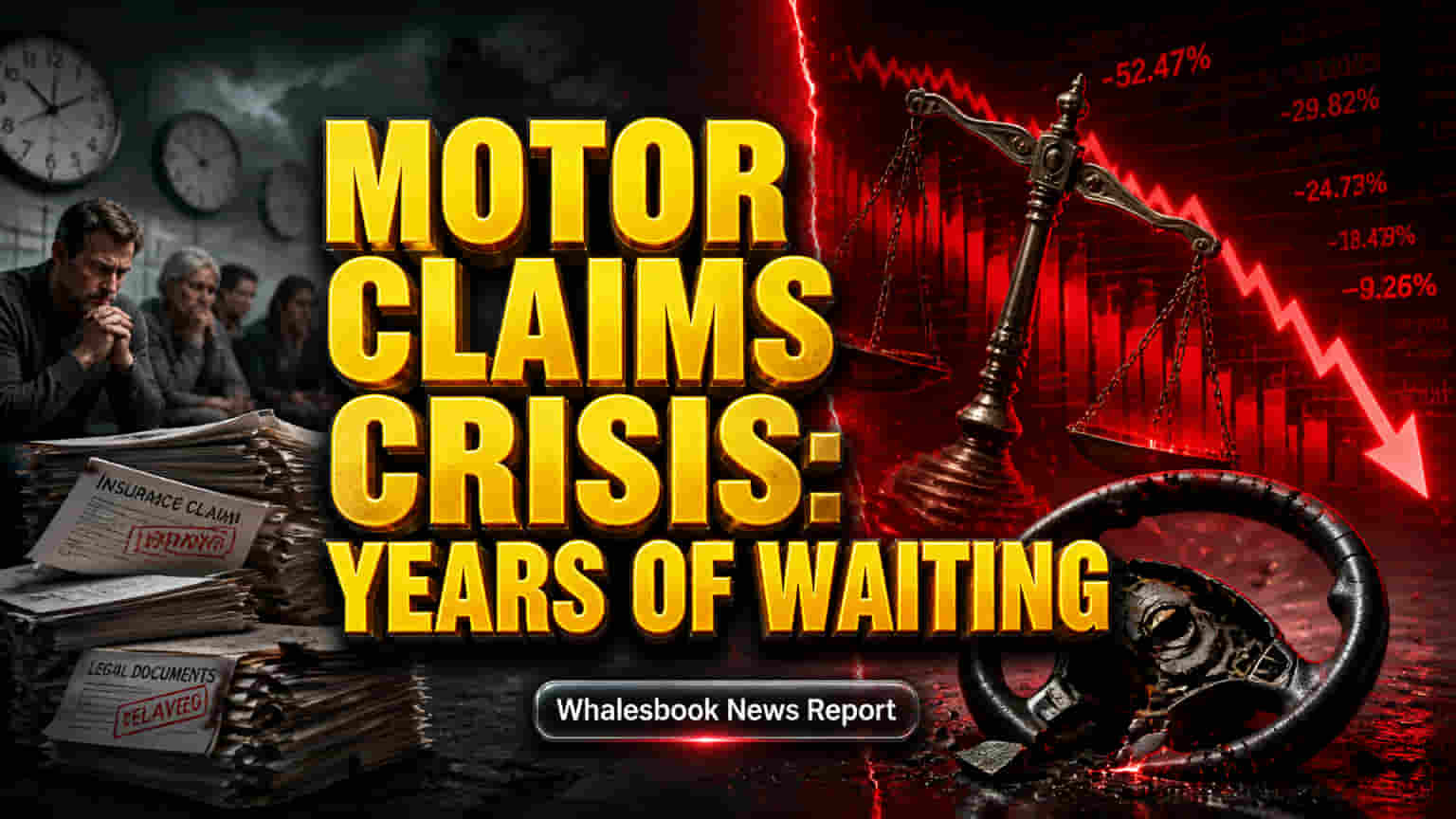


The system meant to protect accident victims in India is causing immense financial strain. While insurers collect billions in premiums, complex legal processes and lengthy delays prevent timely compensation, pushing victims toward exploitative middlemen.
The ₹96,000 Crore Stalemate
A staggering ₹96,000 crore in compensation is stuck in over 10 lakh pending claims at India's Motor Accident Claims Tribunals (MACTs). These cases, often involving death or severe injury, represent funds that could significantly aid families.
Premiums vs. Payouts
In fiscal year 2025, Indian insurers collected over ₹58,000 crore in third-party motor insurance premiums, with claims ratios around 88%. This shows the industry has enough funds. But, the money is slow to reach claimants due to delays, often lasting three to five years or more. The problem isn't a lack of money, but how the claims process works.
Red Tape Feeds a Shadow Market
Unlike claims for vehicle damage, which insurers handle directly, third-party claims require court involvement, starting with a police report (FIR). These cases, especially those involving fatalities or serious injuries, take a very long time to resolve as courts try to value human life and future earnings. This long wait has created a network of unofficial intermediaries. They help claimants with paperwork and legal steps but charge hefty fees, taking 20% to 40% of the settlement. This means victims struggling with hardship pay a large portion of their rightful compensation to these middlemen.
Why the System Fails Victims
The current system, despite being legally required, fails to provide timely support. Many see third-party insurance only as a rule to follow, not a safety net, especially when accidents reveal how bureaucratic the process is. This makes people lose faith in insurance. Courts struggle to put a clear financial value on human life and long-term disabilities, a key part of these claims. The law intended quick compensation, but the process often takes years, undermining its purpose. This setup also risks victims getting less than they deserve or facing fraud, particularly harming vulnerable people.
The Path to Efficiency
Experts believe improvements depend on speeding up reporting, simplifying paperwork, and better teamwork between police, hospitals, and insurers. Digital tools and less legal red tape are seen as key to changing how efficient and reliable third-party insurance is. The system has rules for compensation, but getting it is slow and complicated. Reforms are urgently needed so this insurance acts as a real safety net, not just a lengthy bureaucratic task. Without major digital upgrades and process changes, this gridlock will likely continue, hurting accident victims and the economy.